
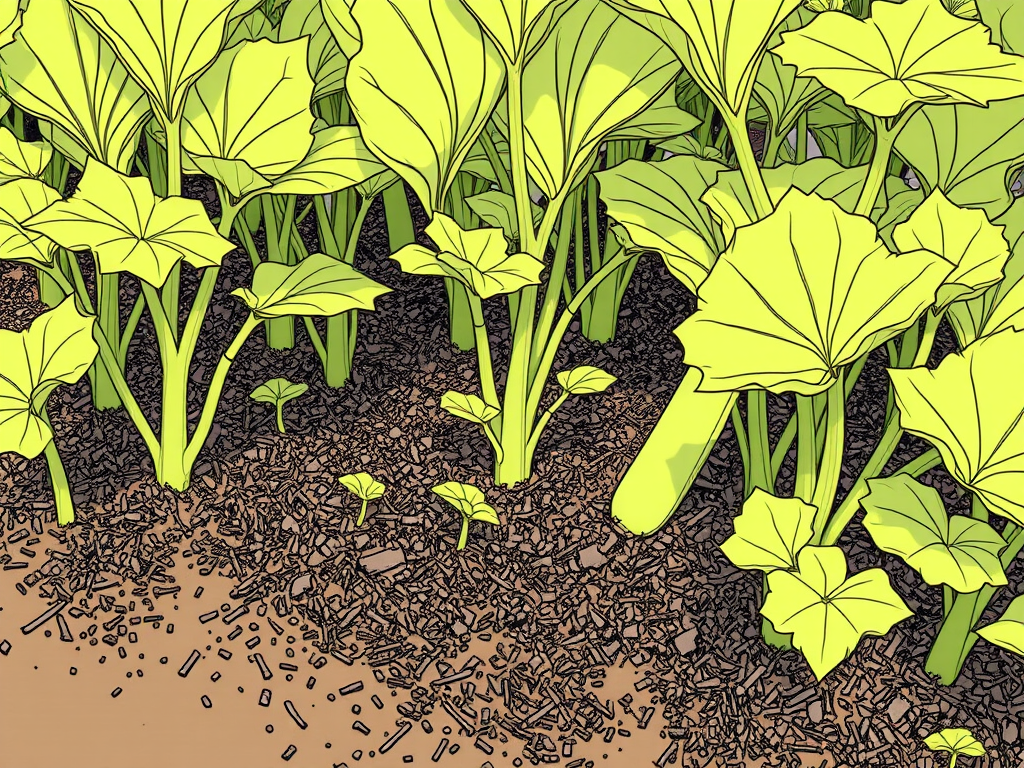
In a recent study published in the International Journal of Biological and Chemical Sciences, Damilola Olakunle Babadele, Olufemi Gabriel Dayo- Olagbende, Oluwaseun Mayowa Oyekunle, Precious Ayobami Balogun, and Babatunde Sunday Ewulo investigated the impact of nano-milled biocharBiochar is a carbon-rich material created from biomass decomposition in low-oxygen conditions. It has important applications in environmental remediation, soil improvement, agriculture, carbon sequestration, energy storage, and sustainable materials, promoting efficiency and reducing waste in various contexts while addressing climate change challenges. More on soil fertility, microbial activity, and enzymatic processes in okra cultivation under drought conditions. Their research sheds light on how this innovative soil amendmentA soil amendment is any material added to the soil to enhance its physical or chemical properties, improving its suitability for plant growth. Biochar is considered a soil amendment as it can improve soil structure, water retention, nutrient availability, and microbial activity. More can help address critical agricultural challenges such as declining soil fertility and nutrient deficiencies, exacerbated by climate change. The study explored varying application rates of nano-milled biochar, from 0 grams to 400 grams, applied to 20 kg of soil planted with okra.
The findings demonstrate a significant positive effect of nano-milled biochar on soil chemical properties. Specifically, the application of 100 grams of nano-milled biochar led to substantial improvements: organic carbon increased by 39.46%, cation exchange capacity by 17.85%, and exchangeable calcium, potassium, and magnesium saw increases of 37.06%, 34.18%, and 34.51% respectively. Furthermore, nitrogen levels rose by 41.97%, and phosphorus by 24.33%. These improvements are critical for enhancing soil health and nutrient availability for crops, especially in drought-prone areas. The study also observed that while 400g of nano-milled biochar resulted in the highest soil pHpH is a measure of how acidic or alkaline a substance is. A pH of 7 is neutral, while lower pH values indicate acidity and higher values indicate alkalinity. Biochars are normally alkaline and can influence soil pH, often increasing it, which can be beneficial More (7.95) and total organic matter (3.41%), and the highest nitrogen (0.29%) and phosphorus (32.17 ppm) content, 100g of nano-milled biochar showed the highest calcium ( 19.60 mg/kg) and magnesium (21.71 mg/kg) content. The ability of nano-milled biochar to increase soil pH suggests its potential in neutralizing soil acidity, which in turn can foster microbial activity and nutrient uptake by plants. This is attributed to the alkaline substances within nano-milled biochar.
Beyond chemical improvements, the research highlighted the beneficial influence of nano-milled biochar on soil microbial populations. Treatments incorporating nano-milled biochar consistently showed higher bacteria and fungi counts compared to untreated soils. The 400g application (T5) recorded the highest bacterial population density and the highest fungal population. This indicates that nano-milled biochar creates a more hospitable environment for microbial growth, thereby promoting essential nutrient cycling and overall soil health. The porous nature of biochar can aid in nitrogen retention, reducing leachingLeaching is the process where nutrients are dissolved and carried away from the soil by water. This can lead to nutrient depletion and environmental pollution. Biochar can help reduce leaching by improving nutrient retention in the soil. More and making more nitrogen available to plants. Its capacity to adsorb phosphorus also helps improve phosphorus availabilityPhosphorus is another essential nutrient for plant growth, but it can sometimes be locked up in the soil and unavailable to plants. Biochar can help release phosphorus from the soil and make it more accessible to plants, reducing the need for chemical fertilizers. More by reducing its fixation in the soil.
However, the study also revealed a more complex relationship between nano-milled biochar and soil enzymatic activities. While nano-milled biochar generally had a positive effect on enzyme activity compared to the control, higher application rates showed some inhibitory effects. For instance, the lowest urease and amidase activity was observed at the 400g application rate under water stress. Interestingly, treatments with a constant water supply (T6) exhibited the highest urease, phosphatase , and amidase activities, underscoring the critical role of water availability in maintaining optimal soil enzyme functions. This suggests that while nano-milled biochar can mitigate some negative effects of water stress, consistent water supply remains paramount for maximizing enzymatic activities.
In conclusion, nano-milled biochar shows considerable promise as a soil amendment to improve soil chemical properties and foster microbial growth, especially under drought conditions. The optimal application rates, however, need careful consideration, particularly concerning enzymatic activities, where excessive biochar might have a less desirable effect. Future research could further explore the interplay between biochar application rates, water availability, and specific enzymatic responses to fine-tune its use for sustainable agricultural practices.
Source: Babadele, D. O., Dayo-Olagbende, O. G., Oyekunle, O. M., Balogun, P. A., & Ewulo, B. S. (2025). Assessing the impact of nano-milled biochar on some soil fertility indices, microbial and enzymatic activities under drought condition in an okra cultivation trial. International Journal of Biological and Chemical Sciences, 19(1), 129-141.




Leave a Reply