
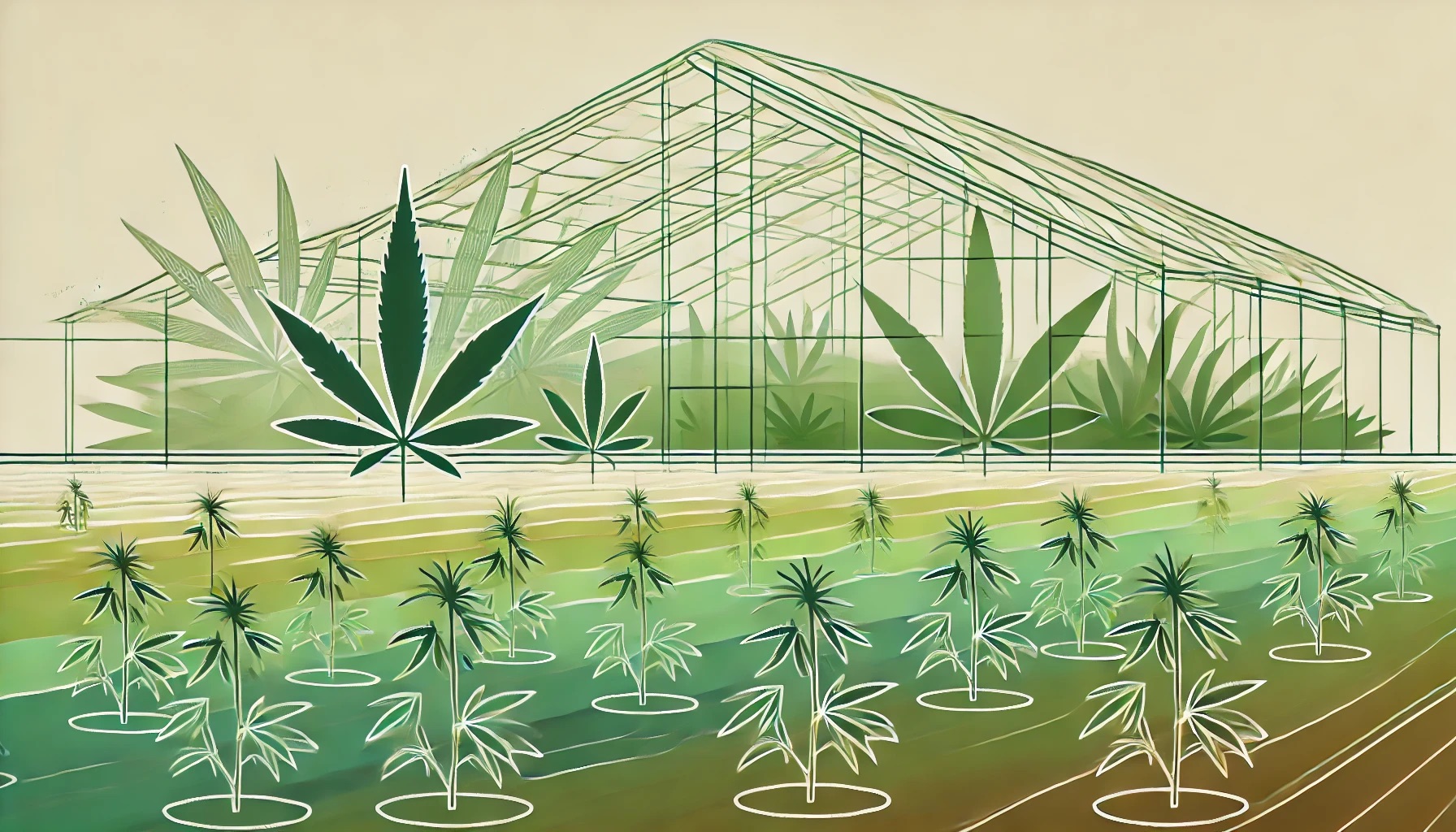
Copper (Cu) contamination in soil, driven by industrialization and agricultural practices, presents challenges for sustainable crop cultivation. This study from Zaman, et al published in Industrial Crops and Products explores a synergistic approach using biocharBiochar is a carbon-rich material created from biomass decomposition in low-oxygen conditions. It has important applications in environmental remediation, soil improvement, agriculture, carbon sequestration, energy storage, and sustainable materials, promoting efficiency and reducing waste in various contexts while addressing climate change challenges. More (BC), arbuscular mycorrhizal fungiThese are friendly fungi that form a partnership with plant roots. They act like an extension of the root system, helping plants access water and nutrients more effectively. Biochar can create a cozy habitat for these helpful fungi, boosting their growth and improving plant health. More (AMF), and seaweed extract (SWE) to improve hemp growth in Cu-stressed soils.
A greenhouse experiment tested combinations of BC, AMF, and SWE on hemp grown in Cu-spiked soil. Results showed that Cu stress reduced plant growth, photosynthesis, and biomassBiomass is a complex biological organic or non-organic solid product derived from living or recently living organism and available naturally. Various types of wastes such as animal manure, waste paper, sludge and many industrial wastes are also treated as biomass because like natural biomass these More while increasing oxidative stress and Cu accumulation. However, the combined application of BC, AMF, and SWE significantly improved plant performance.
Key findings include:
- Improved Growth and Biomass: Treatments boosted root length (up to 44.91%) and stem diameter (up to 21.76%) compared to untreated plants.
- Enhanced Photosynthesis: Photosynthetic pigments increased by up to 54.33%, supporting better gas exchange.
- Reduced Oxidative Stress: Malondialdehyde levels, a marker of cellular damage, dropped by 43.43%, and antioxidant activity improved.
- Lower Cu Accumulation: Cu levels in plant tissues decreased by up to 29.59%, reducing toxicity.
This synergistic strategy mitigates Cu stress by enhancing soil properties, supporting nutrient uptake, and boosting plant physiological responses. The study demonstrates the potential of combining BC, AMF, and SWE as a sustainable approach to cultivate hemp in contaminated soils. Further research could refine these techniques for broader application in phytoremediationThis is a technique that uses plants to clean up contaminated soil or water. Biochar can enhance phytoremediation by improving soil conditions and promoting plant growth, allowing plants to absorb and break down pollutants more effectively. More and sustainable agriculture.
SOURCE: Zaman, et al (2025) Synergistic effect of arbuscular mycorrhizal fungi, biochar and seaweed extract for improving the copper tolerance in hemp. Industrial Crops and Products. https://doi.org/10.1016/j.indcrop.2024.120358



Leave a Reply