
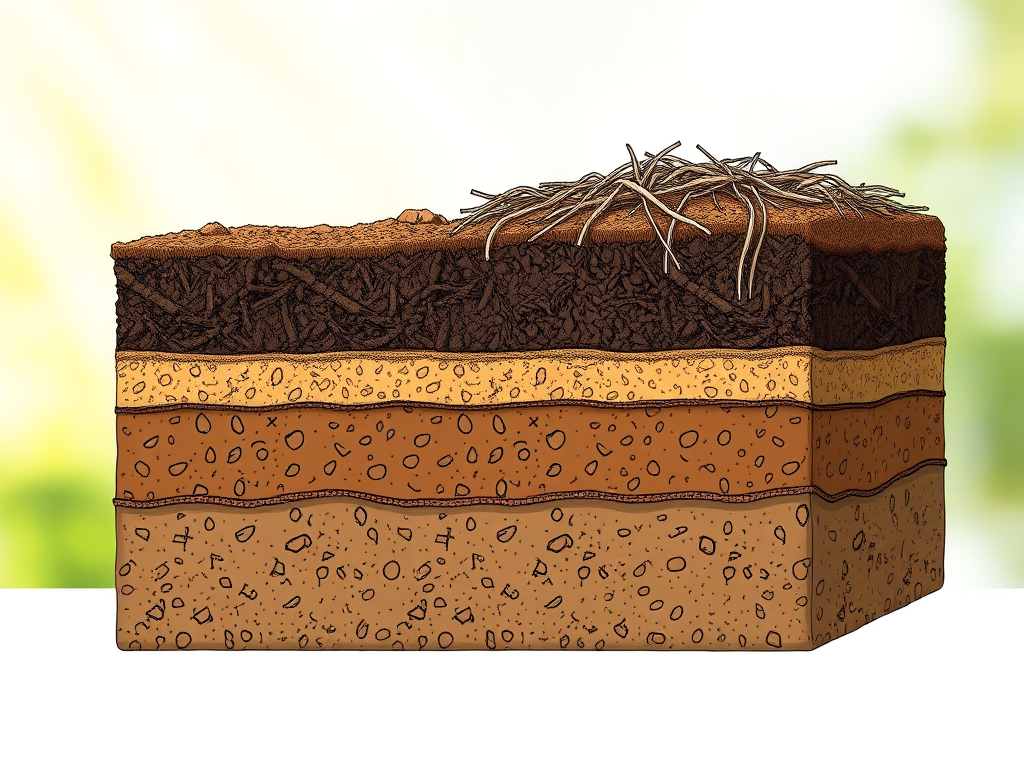
In a study published in the Indian Geotechnical Journal, Hamlaoui et al. explored the use of Washingtonia palm biomassBiomass is a complex biological organic or non-organic solid product derived from living or recently living organism and available naturally. Various types of wastes such as animal manure, waste paper, sludge and many industrial wastes are also treated as biomass because like natural biomass these More to improve the shear strength of clayey soil. The study examined the effects of different forms of palm biomass—leaf powder, trunk fibers, and biochar—on the soil’s mechanical properties.
The researchers tested various conditions, including different percentages of additives, concentrations of sodium hydroxide (NaOH) solutions, and immersion times, to determine the optimal conditions for soil reinforcement.
The results of the study indicate that the addition of palm biomass enhances the shear strength, cohesion, and friction angle of clayey soil. In particular, biochar-reinforced soil showed the most significant improvement, achieving a cohesion of 112 kPa compared to 15 kPa in untreated soil.
The study also employed statistical analysis to model the relationships between input parameters and shear strength. Response Surface Methodology was used to develop regression models, and the Analysis of Variance (ANOVA) was used to determine the influence of each parameter.
The findings of this research suggest that Washingtonia palm biomass can be effectively used to improve the mechanical properties of clayey soils, offering a sustainable and cost-effective solution for soil reinforcement.
SOURCE: Hamlaoui, A., Lafifi, B., Houicha, H., Kihal, R., & Rouaiguia, A. Enhancement of Shear Strength of Clayey Soil using Washingtonia Palm Biomass: Experimental Study and Statistical Analysis. Indian Geotechnical Journal.



Leave a Reply