
Key Takeaways
- Modified biocharBiochar is a carbon-rich material created from biomass decomposition in low-oxygen conditions. It has important applications in environmental remediation, soil improvement, agriculture, carbon sequestration, energy storage, and sustainable materials, promoting efficiency and reducing waste in various contexts while addressing climate change challenges. More is far more effective at trapping toxic pollutants than natural biochar.
- Specialized biochar can turn hazardous substances into stable solids that plants cannot absorb.
- Using treated biochar helps protect drinking water sources from dangerous chemicals like mercury and fluoride.
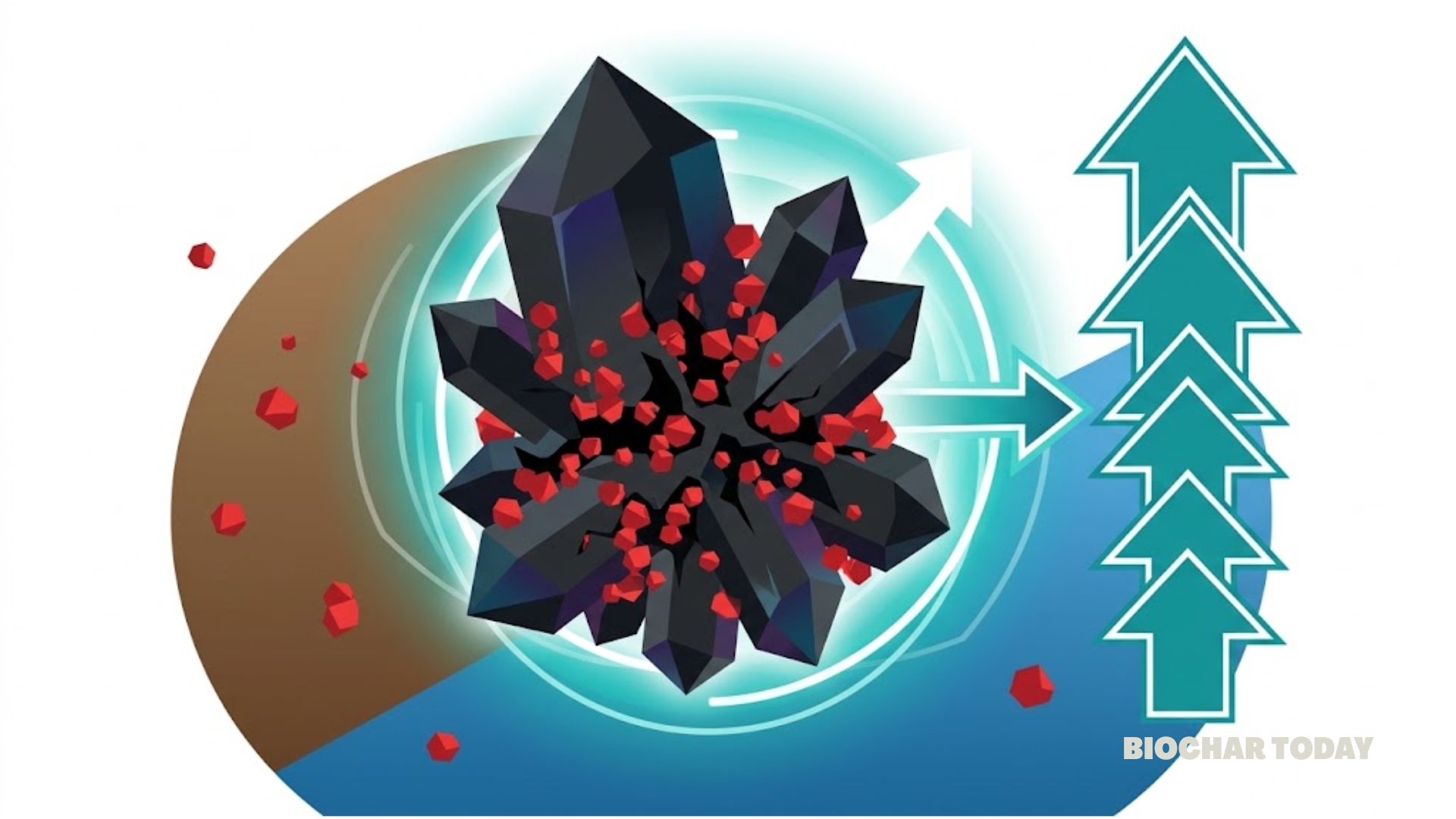
- Biochar works by acting as a magnet for pollutants, pulling them out of the water and holding them tightly.
- Combining biochar with other minerals creates a sustainable way to clean up contaminated farmland.
A comprehensive review published in the journal Biochar by Sabry M. Shaheen and a diverse group of international colleagues explores the transformative potential of pristine and engineered biochar for remediating emerging inorganic contaminants. These pollutants, which include vanadium, antimony, thallium, mercury, fluoride, and rare earth elements, represent a growing threat to agricultural ecosystems and public health. The researchers highlight that while pristine biochar offers a sustainable starting point, it often lacks the specific chemical characteristics necessary to capture a wide range of inorganic toxins effectively. By engineering the surface of biochar through various modifications, scientists can dramatically enhance its capacity to remove these hazardous elements from both soil and aquatic environments.
The study emphasizes that the effectiveness of biochar is highly dependent on its physical and chemical properties, such as surface area, pore structure, and the presence of oxygen-rich functional groups. Engineered biochars are particularly successful because they utilize specific mechanisms like ion exchange, complexation, and electrostatic interactions to bind contaminants. For instance, the researchers found that natural biochar sometimes struggles with negatively charged pollutants due to its own negative surface charge. However, by adding metal ions or other functional groups, the biochar can be tailored to attract and hold these specific toxins. This customization allows for the remediation of complex contaminants like vanadium and antimony, which are often difficult to treat using traditional physical methods.
In aquatic systems, the research demonstrates that modified biochar can achieve near-total removal of certain toxins. For example, corncob biochar combined with nanoscale iron reached a retention capacity of 48.5 milligrams per gram, effectively removing 99% of vanadium from polluted water. Similarly, biochar supported by magnesium ferrite showed a high capacity for neutralizing antimony in groundwater by facilitating oxidation reactions that turn toxic species into less hazardous forms. These engineered materials act as both filters and catalysts, ensuring that contaminants are not just captured but are often transformed into more stable, less mobile versions of themselves. This dual action is a cornerstone of sustainable water treatment strategies presented in the review.
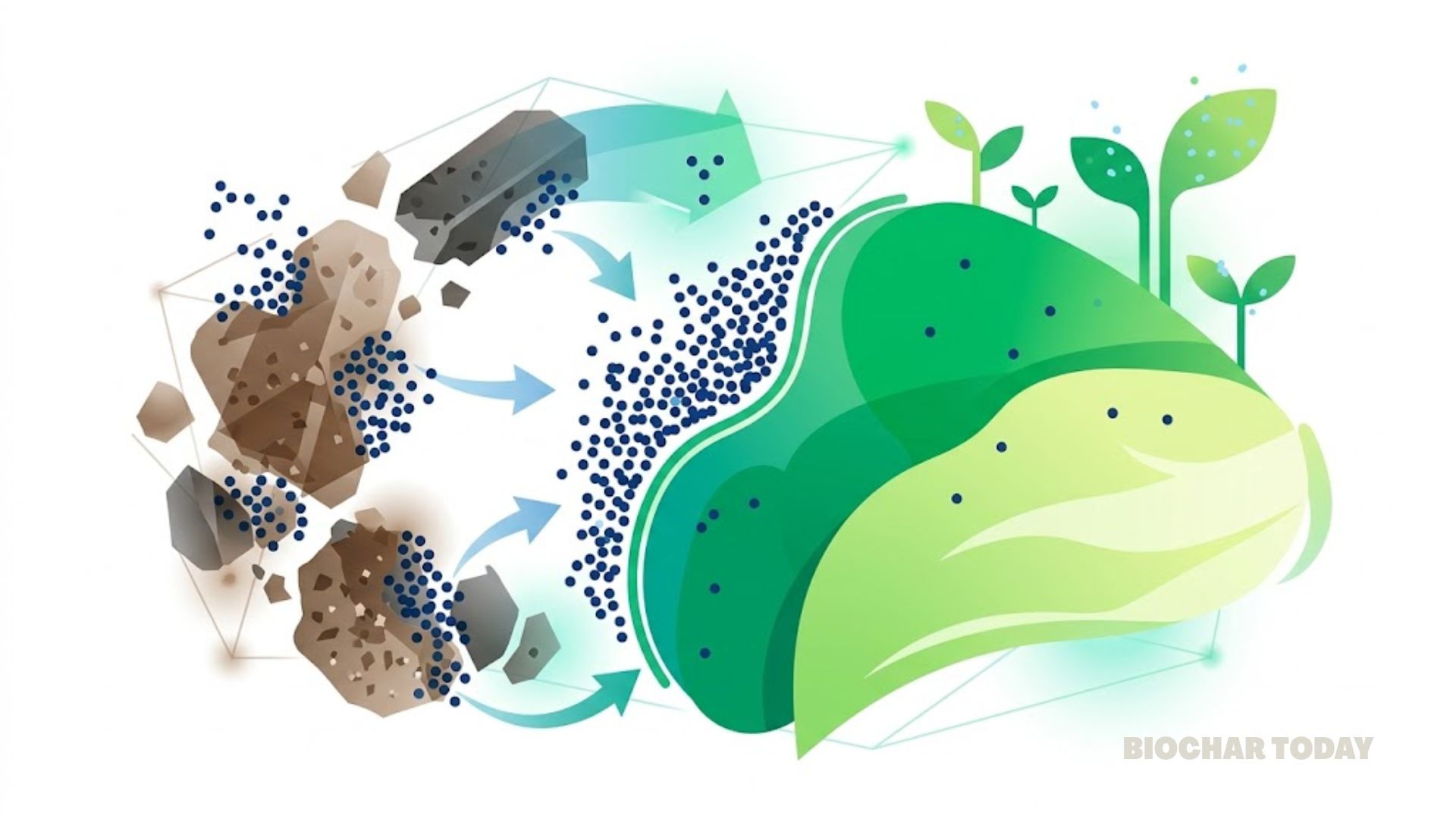
The application of biochar to soil, particularly in sensitive areas like rice paddies, offers a vital layer of protection for the food chain. The study notes that mercury and thallium are extremely toxic and can easily accumulate in crops. By amending contaminated soils with sulfur-modified or iron-modified biochar, the researchers observed significant decreases in the bioavailability of these metals. In some field investigations, rice husk biochar reduced the concentration of mercury in polished rice by up to 70%. Furthermore, the addition of biochar can stimulate beneficial soil microbes that assist in the natural degradation or fixation of pollutants. This highlights the role of biochar not just as a standalone tool, but as a facilitator of broader biological remediation processes.
Despite these successes, the review identifies critical challenges that must be addressed for large-scale industrial use. Pristine biochar can sometimes have the opposite of the intended effect, such as increasing the leachingLeaching is the process where nutrients are dissolved and carried away from the soil by water. This can lead to nutrient depletion and environmental pollution. Biochar can help reduce leaching by improving nutrient retention in the soil. More of vanadium by over 200% under certain soil conditions. This underscores the necessity of using engineered versions that are specifically matched to the site’s unique chemistry and the specific contaminants present. Additionally, the researchers point out that the cost of using expensive nanomaterials for modification remains a hurdle for commercial feasibility. Future work must focus on developing low-cost, environmentally friendly modification methods and robust regeneration techniques to ensure that biochar remains a practical and sustainable solution for long-term environmental management.
Ultimately, the findings suggest that engineered biochar is a superior amendment for mitigating the risks associated with emerging inorganic contaminants. The ability to tailor its surface chemistry allows for the selective recovery of valuable elements like rare earth minerals while simultaneously detoxifying agricultural land. By providing a comprehensive overview of the governing mechanisms and environmental implications, the authors offer a valuable foundation for future research and policy-making. This study concludes that with optimized production and application strategies, biochar can play a pivotal role in achieving global sustainable development goals related to clean water and healthy terrestrial ecosystems.
Source: Shaheen, S. M., Ullah, H., Wu, Y., Mosa, A., Fang, Y., Shi, Y., Liu, J., Kumar, M., Zhang, H., Zhang, B., Li, R., Wang, J., Antoniadis, V., Lee, S. S., & Rinklebe, J. (2025). Remediation of emerging inorganic contaminants in soils and water using pristine and engineered biochar: a review. Biochar, 7(34).



Leave a Reply