
Key Takeaways
- BiocharBiochar is a carbon-rich material created from biomass decomposition in low-oxygen conditions. It has important applications in environmental remediation, soil improvement, agriculture, carbon sequestration, energy storage, and sustainable materials, promoting efficiency and reducing waste in various contexts while addressing climate change challenges. More is a simple, eco-friendly material: It is essentially charcoalCharcoal is a black, brittle, and porous material produced by heating wood or other organic substances in a low-oxygen environment. It is primarily used as a fuel source for cooking and heating. More made from sustainable waste materials like banana peels, rice husks, and coconut shells, offering a practical way to manage waste and clean water.
- Activation boosts cleaning power significantly: Treating the biochar with steam, acids, or bases creates a porous surface and adds chemical groups, which can increase the dye removal efficiency for specific pollutants to nearly 98%.
- Water pHpH is a measure of how acidic or alkaline a substance is. A pH of 7 is neutral, while lower pH values indicate acidity and higher values indicate alkalinity. Biochars are normally alkaline and can influence soil pH, often increasing it, which can be beneficial More matters a lot for targeted cleanup: The acidity or alkalinity of the polluted water determines how well biochar works. To remove common cationic dyes (like methylene blue), the water needs to be more alkaline (pH 8–10), while anionic dyes require a more acidic environment (pH 3–5).
- The future involves AI and recycling: Researchers are using AI and Machine Learning to optimize how biochar is produced and used. This will make the process more efficient and help in recycling the spent biochar for use in gardens or construction, supporting a “circular economy”.
In a recent review published in the Asia-Pacific Journal of Chemical Engineering, Avanish Kumar, Ashish Kapoor, Amit Kumar Rathoure, G. L. Devnani, and Dan Bahadur Pal investigated how activating biochar can dramatically enhance its ability to clean up dye-polluted wastewater. Dye pollution from industries like textiles is a serious global problem, with up to 15% of dye waste being discharged untreated, harming aquatic life and human health. Biochar is an eco-friendly and inexpensive alternative to traditional, costly adsorbents such as activated carbonActivated carbon is a form of carbon that has been processed to create a vast network of tiny pores, increasing its surface area significantly. This extensive surface area makes activated carbon exceptionally effective at trapping and holding impurities, like a molecular sponge. It is commonly More. However, raw biochar’s natural ability to soak up pollutants is often limited, which is where activation strategies come into play. This review highlights that by tailoring the biochar’s surface properties, removal efficiencies can reach as high as 98% for certain dyes, demonstrating a viable, sustainable path forward.
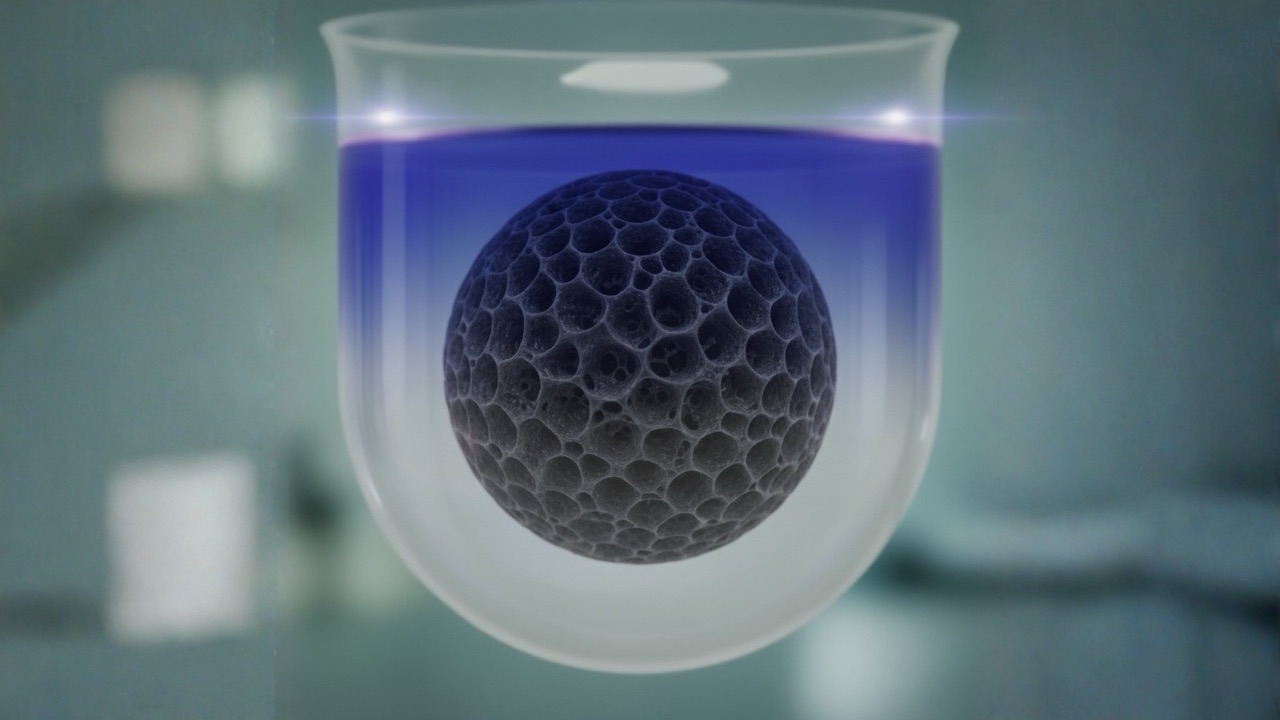
The efficacy of biochar hinges on three key factors: porosityPorosity of biochar is a key factor in its effectiveness as a soil amendment and its ability to retain water and nutrients. Biochar’s porosity is influenced by feedstock type and pyrolysis temperature, and it plays a crucial role in microbial activity and overall soil health. Biochar More, surface area, and functional groups. Activation methods are designed to enhance these characteristics. Activated biochar isn’t just a simple carbon residue; it’s an engineered material boasting a hierarchical pore structure that includes micropores (<2 nm), mesopores (2–50 nm), and macrospores (>50 nm), which together can result in a massive surface area, sometimes ranging from 1000 to 3000 m2/g. These diverse pore sizes allow the biochar to effectively capture both small (heavy metal ions) and large (dye molecules) pollutants. The activation process also introduces or increases key surface functional groups like hydroxyl (−OH), carboxyl (−COOH), and carbonyl (−C=O). These groups are crucial for chemical interactions, enabling mechanisms such as ion exchange, π−π interactions, and electrostatic attraction.
Activation strategies fall into three main categories: physical, chemical, and biological. Chemical activation is particularly powerful for significantly altering biochar’s structure and performance.- Acid Activation (e.g., using H2SO4 or HNO3) introduces more oxygen-containing functional groups (−COOH,−OH), which are excellent for removing positively charged (cationic) pollutants, such as methylene blue and heavy metals. For example, studies on acid-treated walnut shell biochar have shown promising results for dye removal. Base Activation (e.g., using KOH or NaOH) etches the carbon matrix to create a highly porous structure, sometimes increasing the surface area up to 2000 m2/g. This dramatically improves the adsorption of cationic dyes like methylene blue through enhanced electrostatic attraction. KOH-activated rice husk has proven effective for chromium adsorption. Physical activation uses thermal treatment with steam or CO2 at high temperatures (700∘C–1000∘C), which is great for developing porosity without introducing chemical residues, making the resulting material very clean for water purification. Biological activation, using microbes or enzymes, is an eco-friendly approach that can generate new functional groups like amine (−NH2) and improve hydrophobicity, though its large-scale use is still being developed.
Among all the factors influencing adsorption, pH is one of the most critical, as it directly controls the surface charge of the biochar and the ionization state of the dye molecule. For cationic dyes (like methylene blue), a higher pH (typically pH 8–10) is preferred because the biochar surface becomes negatively charged, leading to strong electrostatic attraction and removal efficiencies often reaching 90%–98%. Corn husk biochar, for instance, achieved 96% methylene blue removal at pH 9. Conversely, for anionic dyes (like Congo red), a low pH (pH 3–5) is needed for the biochar surface to become positively charged (protonated), yielding excellent removal rates of 85%–95%.
While lab results are highly promising, moving activated biochar to large-scale industrial use presents challenges related to consistency and sustainability. Future efforts must focus on integrating Artificial Intelligence (AI) and Machine Learning (ML) to precisely model and optimize activation parameters, reducing the need for time-consuming experimental trials. Moreover, adopting a circular economy approach is essential for long-term sustainability. This means developing ways to regenerate and reuse spent biochar in secondary applications, such as soil amendments or energy recovery, instead of disposing of it as waste. By addressing these research gaps and establishing robust policy frameworks, activated biochar can become a scalable, cost-effective, and highly efficient solution for cleaning up industrial wastewater.
Source: Kumar, A., Kapoor, A., Rathoure, A. K., Devnani, G. L., & Pal, D. B. (2025). Enhanced Surface Properties of Biochar Using Activation Strategies for Sustainable Dye Removal: A Review. Asia-Pacific Journal of Chemical Engineering, 0(e70122). Sources



Leave a Reply