
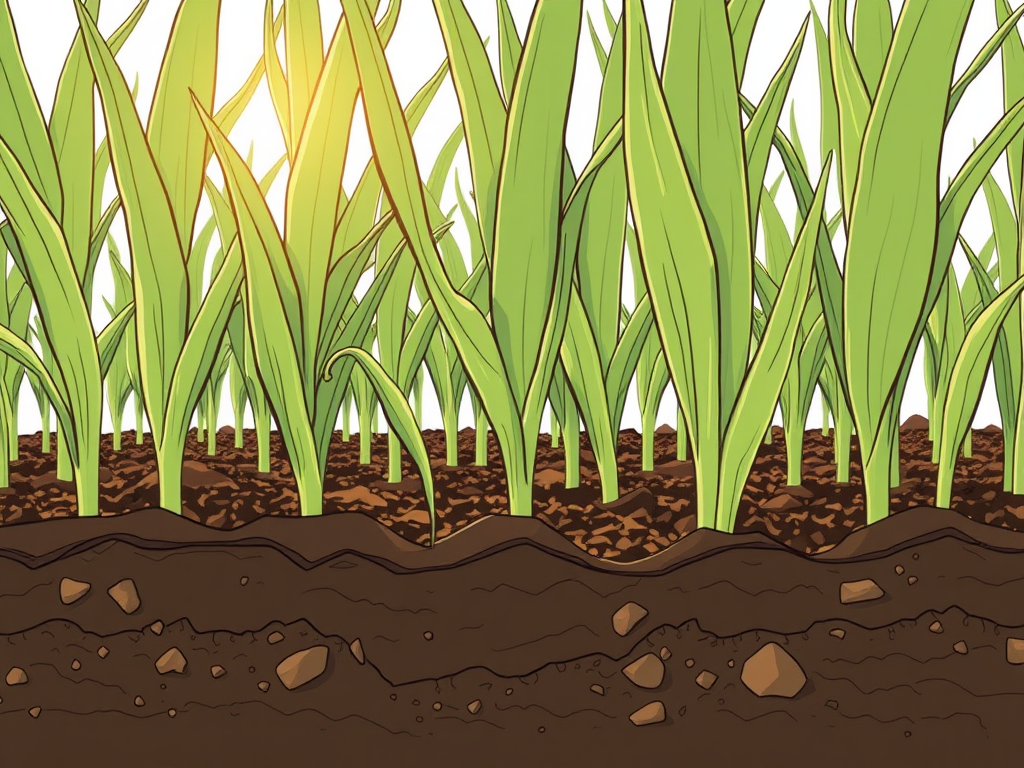
Soil contamination by toxic metals like lead (Pb) is a global concern, with approximately 10% of the world’s soil affected. These pollutants can enter the food web through soil accumulation and plant uptake, posing serious health risks due to their rapid bioaccumulation. Unlike organic contaminants, toxic metals persist in the soil, hindering plant growth and affecting protein structures. To address this, a recent study by Ghulam Murtaza and colleagues, published in Water Air Soil Pollution, investigated the effectiveness of Acacia-wood biocharBiochar is a carbon-rich material created from biomass decomposition in low-oxygen conditions. It has important applications in environmental remediation, soil improvement, agriculture, carbon sequestration, energy storage, and sustainable materials, promoting efficiency and reducing waste in various contexts while addressing climate change challenges. More, MXenes, and nanoscale zero-valent iron (nZVI) in immobilizing lead in contaminated calcareous soils during maize growth.
The researchers applied Acacia-wood biochar, MXenes, and nZVI at concentrations of 0%, 2.5%, and 5% to calcareous soil polluted with lead at levels of 0, 50, and 100 mg/kg. After a 16-week incubation period, maize was cultivated, and various fractions of Pb were analyzed, including residual, organic matter-bound, carbonate-bound, exchangeable, and manganese and iron-bound.
The findings indicated that these amendments significantly reduced exchangeable Pb levels in the soil. Specifically, the 5% biochar application led to a substantial 26% decrease in exchangeable Pb compared to the control. Biochar markedly increased the amount of Pb bound to organic matter, with the highest accumulation (20 mg/kg, equivalent to 91%) observed at the 5% application rate of Acacia-biochar. The combination of Acacia-biochar and MXenes at 5% concentration also showed a significant 89% increase in Pb binding to organic matter compared to the control group.
Furthermore, the integration of MXenes and biochar led to a decrease in Pb extracted by DTPA. The control group showed the highest DTPA-extracted Pb concentration at 95 mg/kg, while the 5% biochar addition recorded the lowest at 65 mg/kg. The use of 5% Acacia-biochar resulted in a 29% decrease in DTPA-extracted Pb. Similarly, the application of MXenes at 5% concentration led to the lowest EDTA-extracted Pb at 97 mg/kg, compared to 129 mg/kg in the control sample. These reductions are attributed to the enhanced absorption sites provided by MXenes and the porous structure, surface area, and cation exchange capacity (CEC) of biochar.
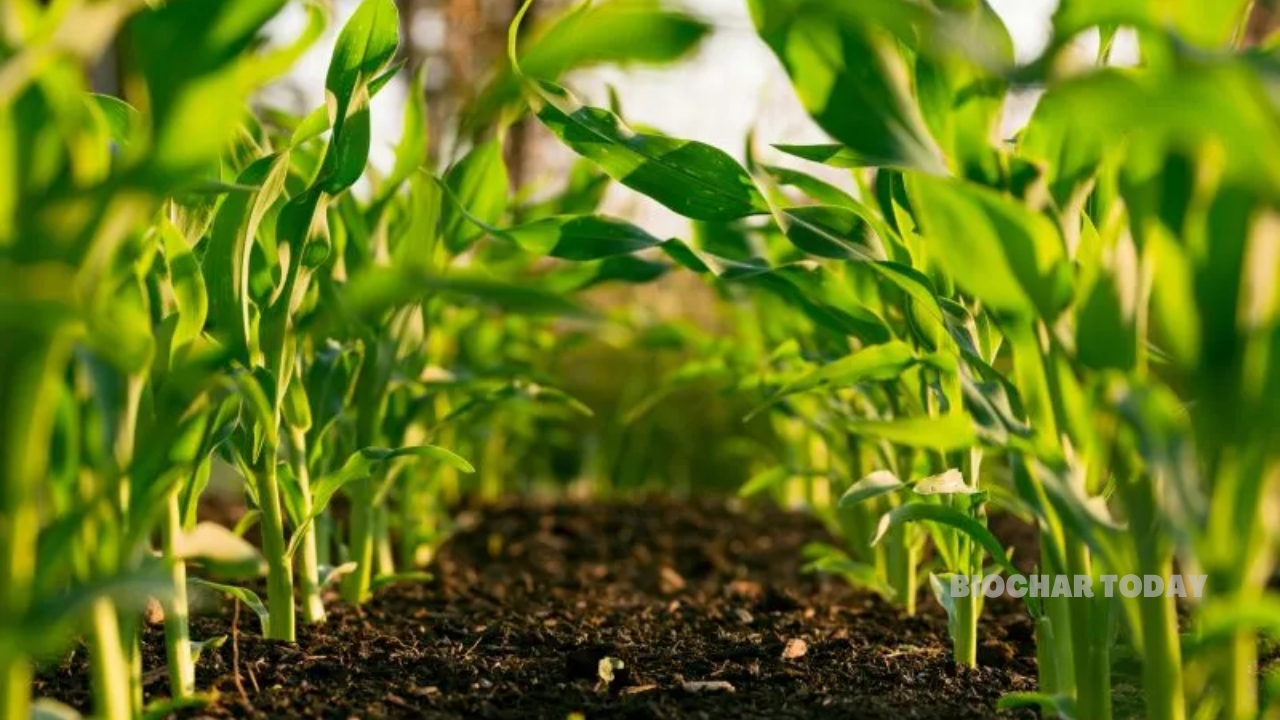
The study also evaluated the impact of these amendments on maize growth. Elevated Pb levels generally reduced the 1000-grain weight in maize. However, the application of MXenes, nZVI, and Acacia-biochar mitigated Pb toxicity and enhanced the 1000-grain weight. In soil with 100 mg/kg Pb contamination, the addition of 5% MXenes, nZVI, and Acacia-biochar resulted in a 29%, 19%, and 23% increase in 1000-grain weight, respectively. This improvement is linked to the enhancement of the soil’s biological and physicochemical properties, including increased water holding capacityWater holding capacity is the amount of water that soil can retain. Biochar can significantly increase the water holding capacity of soil, improving its ability to withstand drought conditions and support plant growth. More (WHC) and nutrient retention, which foster a healthier environment for maize cultivation.
Moreover, these amendments significantly reduced lead concentration in maize grains. In treatments with 100 mg/kg Pb, the addition of 5% MXenes, nZVI, and Acacia-biochar led to a reduction of 49%, 40%, and 30% in grain Pb concentration, respectively. This decrease is primarily due to the capacity of MXenes, nZVI, and biochar to sequester Pb in the soil, thereby limiting its accessibility for plant uptake. Biochar, specifically, offers a stable carbon matrix for more Pb immobilization, while MXenes enhance adsorption potential and facilitate ion-exchange ability.
In conclusion, Acacia-wood biochar, MXenes, and nZVI demonstrate promising potential for immobilizing lead in contaminated calcareous soils. Acacia-wood biochar, with its carbon-rich nature, showed a greater immobilization capacity compared to nZVI and MXenes. The long-term stability of biochar, being impervious to microbial decomposition, further reinforces its importance for sustained metal immobilization. This study highlights the efficacy of these amendments in reducing Pb activity and enhancing maize yield, offering a realistic and beneficial strategy for managing lead-polluted soils. However, careful evaluation of their long-term environmental and agricultural impacts is crucial to ensure sustainable and effective soil management practices.
Source: Najmaldin, G. M., Hassan, N. E., Usman, M., Deng, G., Ahmed, Z., Iqbal, J., Elshikh, M. S., Rizwana, H., & Iqbal, R. (2025). Effect of MXenes, nZVI and Acacia-wood Biochar Treatments on Bioavailability Pb and Fractions in Calcareous-polluted Soils. Water, Air, & Soil Pollution, 236(6), 496.



Leave a Reply