
The 31st United Nations Climate Change Conference (COP31) in Antalya, Türkiye, concluded without a formal climate pact, exposing persistent policy and financing gaps for the global carbon dioxide removal (CDR) sector. While discussions at the Think Negative – Carbon Dioxide Removal Pavilion elevated the visibility of engineered and nature-based removals among international policymakers and investors, disagreements over fossil fuel phaseout language and climate finance prevented a consensus agreement. Meanwhile, data cited from the State of Carbon Dioxide Removal report and the London School of Economics’ Grantham Research Institute underscored that biocharBiochar is a carbon-rich material created from biomass decomposition in low-oxygen conditions. It has important applications in environmental remediation, soil improvement, agriculture, carbon sequestration, energy storage, and sustainable materials, promoting efficiency and reducing waste in various contexts while addressing climate change challenges. More leads current novel removal deliveries even as overall project execution lags behind contracted volumes.
The primary challenge facing the carbon removal industry is translating diplomatic interest into binding regulatory frameworks, upfront project capital, and verified credit deliveries. At COP31, nations failed to finalize proposed carbon capture targets or secure a US$120 billion adaptation finance goal, leaving the formal role of removals in national climate plans unresolved. Furthermore, a June 2026 study by the London School of Economics’ Grantham Research Institute revealed that across 43 million tonnes of contracted durable carbon removal globally, only 1.2% had been delivered by the end of 2025, illustrating the structural bottleneck between long-term purchase agreements and operational infrastructure.
To address these commercialization barriers, industry stakeholders and select governments are advancing targeted market mechanisms, procurement programs, and governance frameworks outside of a unified UN pact. During COP31, negotiators focused on operationalizing Article 6 of the Paris Agreement to enable cross-border carbon credit transfers, while participants at the Think Negative Pavilion evaluated creating a dedicated global carbon removal body. Concurrently, regional initiatives—such as Canada’s public procurement round involving 19 companies, California’s purchase program, the European Union’s Carbon Removal Certification Framework, and an agreement to link the EU and United Kingdom emissions trading systems by 2028—aim to standardize verification and stimulate institutional demand.
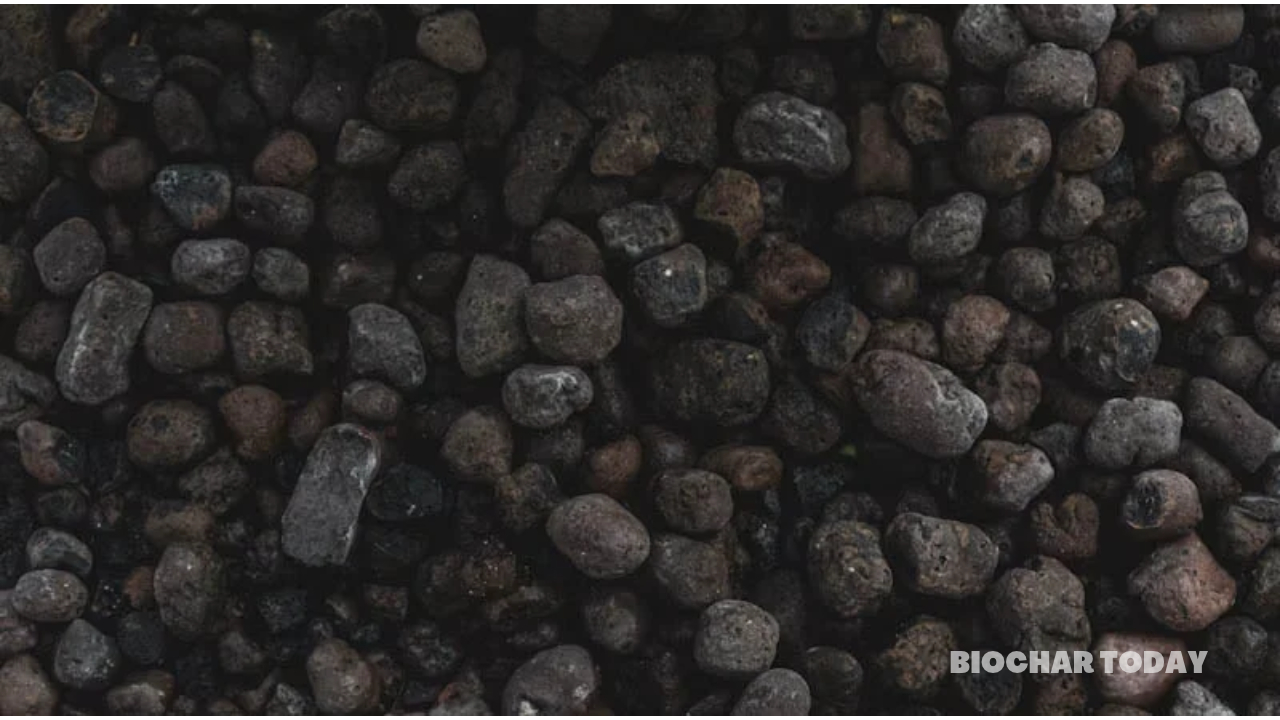
These developments demonstrate that near-term market traction relies heavily on proven, deployable technologies and regional policy support. According to the June 2026 State of Carbon Dioxide Removal report, novel CDR methods removed approximately 2.04 million tonnes of carbon dioxide in 2025, with biochar accounting for the largest share at 1.46 million tonnes. While biochar’s commercial readiness positions it ahead of capital-intensive alternatives, industry growth still requires clear accounting rules and committed upfront financing to convert contracted pledges into permanent atmospheric removals.


Leave a Reply