

Key Takeaways
- BiocharBiochar is a carbon-rich material created from biomass decomposition in low-oxygen conditions. It has important applications in environmental remediation, soil improvement, agriculture, carbon sequestration, energy storage, and sustainable materials, promoting efficiency and reducing waste in various contexts while addressing climate change challenges. More and polymer integration improves soil structure and crop resilience
- Combined soil amendments increase soil moisture content significantly
- Soil penetration resistance is reduced by the amendment strategy
- Root length and volume expand notably under co-application
- Maize grain yield experiences substantial growth compared to unfertilized controls
Rainfed maize production frequently suffers from limited soil moisture, low nutrient availability, and severe soil compaction. Addressing these challenges requires innovative management strategies that go beyond traditional fertilizer application. Researchers evaluated ten distinct treatments in a two-year pot experiment using sandy loam soil, examining combinations of rice husk biochar and polyacrylamide polymer. The findings demonstrate that co-applying ten tons per hectare of rice husk biochar with ten kilograms per hectare of polymer creates optimal rhizosphere conditions for crop development.
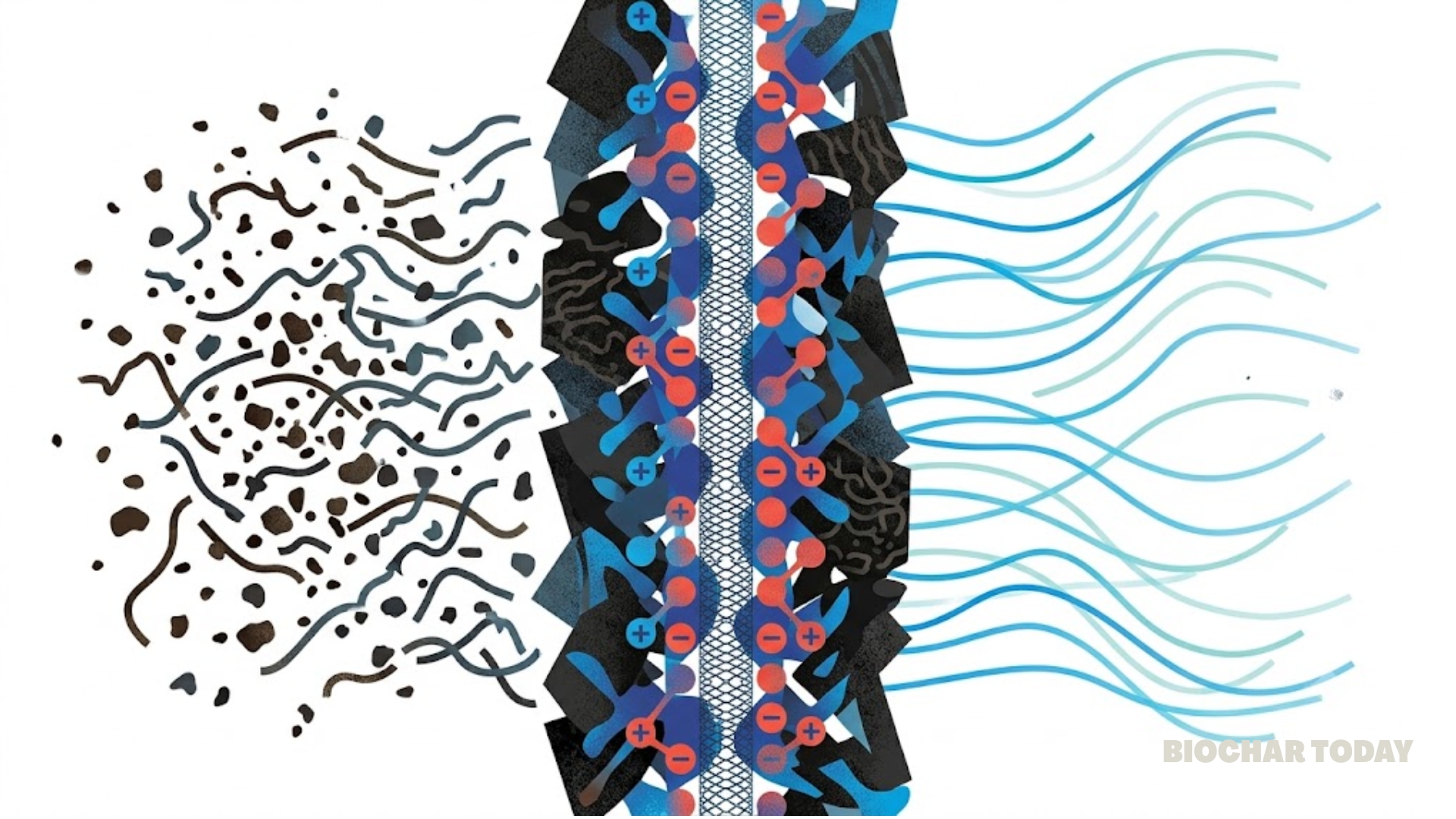
The physical enhancements in the soil are central to this performance. The combined treatment decreases soil penetration resistance by thirty-seven percent while boosting soil moisture retention by sixty-four percent relative to the control group. Furthermore, the porous structure of the biochar works alongside the moisture-absorbing capacity of the polymer to improve hydraulic conductivity and total porosityPorosity of biochar is a key factor in its effectiveness as a soil amendment and its ability to retain water and nutrients. Biochar’s porosity is influenced by feedstock type and pyrolysis temperature, and it plays a crucial role in microbial activity and overall soil health. Biochar More. These improved physical conditions alleviate mechanical impedance, allowing roots to penetrate deeper and explore a larger volume of soil.
Beyond physical improvements, the amendment strategy enhances nutrient dynamics within the root zone. Available nitrogen, phosphorus, and potassium levels increase noticeably, supporting greater nutrient uptake and vegetative growth. Because root proliferation and shoot biomassBiomass is a complex biological organic or non-organic solid product derived from living or recently living organism and available naturally. Various types of wastes such as animal manure, waste paper, sludge and many industrial wastes are also treated as biomass because like natural biomass these More correlate strongly with final grain production, the alleviation of physical soil constraints directly translates into higher reproductive success. Ultimately, this integrated soil management approach offers a promising, sustainable pathway for improving agricultural resilience and productivity in drought-prone regions.
Source: Abrol, V., Khenrab, S., Sharma, P., Brar, A., Kumari, V., Singh, A. P., Gupta, R. K., Chand, G., Singh, S., & Chandra, S. (2026). Biochar-polymer synergy enhances soil health, root growth, and maize yield under rainfed conditions. Scientific Reports,




Leave a Reply