
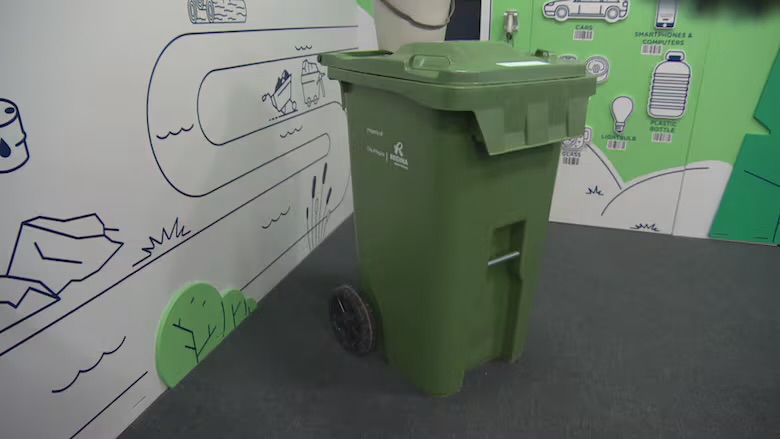
The City of Regina, Saskatchewan, has solidified a landmark agreement with Cowessess First Nation to revolutionize its municipal waste management. Through a partnership with Awasis Organic Ltd., a Cowessess-owned entity, the city will divert its residential food and yard waste to a new processing facility slated for operation in the fall of 2026. Located on First Nation land near the city, this infrastructure project represents a convergence of municipal utility needs, advanced clean technology, and economic reconciliation. The deal finalizes the destination for the city’s “green cart” material, moving away from temporary solutions toward a permanent, technologically advanced model.
The primary challenge driving this initiative is the critical need to reduce landfill reliance and associated greenhouse gas emissions. Regina faces strict targets to divert 65 percent of its waste and achieve net-zero status by 2050. Traditional landfilling of organics releases significant methane, a potent climate-warming gas, while previous attempts at standard composting faced logistical and siting difficulties. The city required a high-capacity, long-term solution that could handle diverse organic streams without the environmental footprint of incineration or the space constraints of conventional composting.
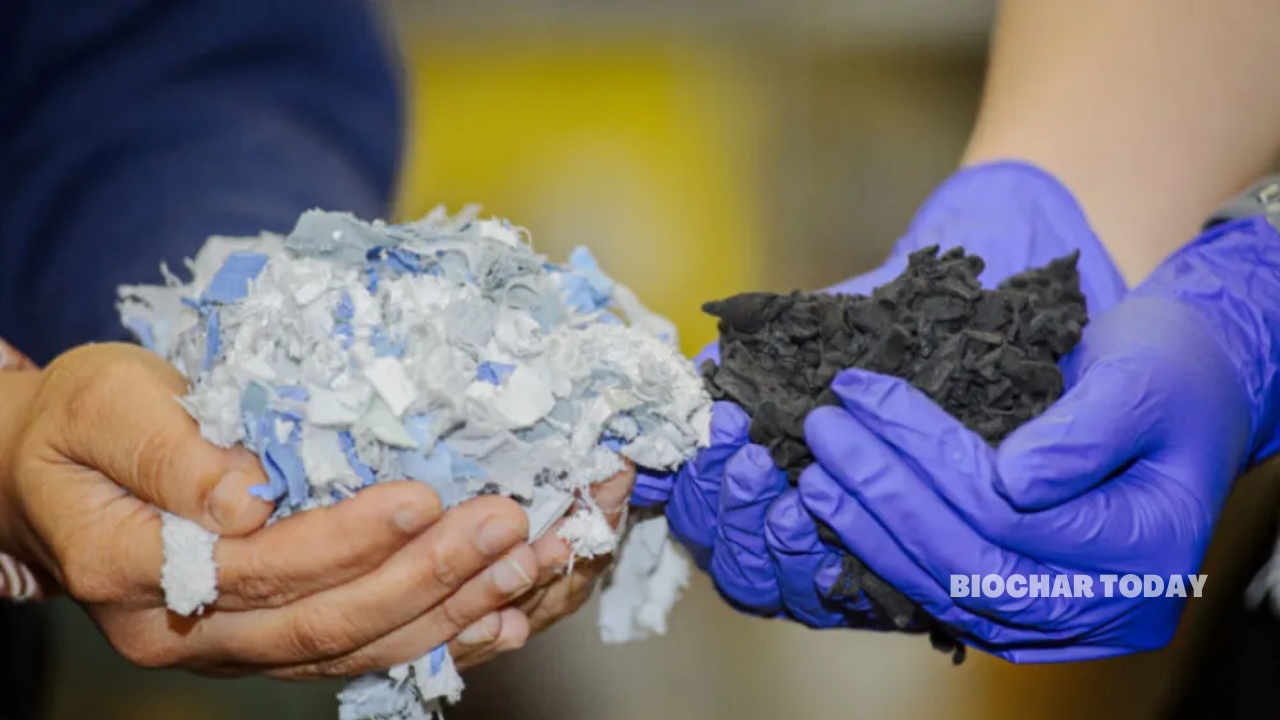
The solution is the implementation of industrial-scale pyrolysisPyrolysis is a thermochemical process that converts waste biomass into bio-char, bio-oil, and pyro-gas. It offers significant advantages in waste valorization, turning low-value materials into economically valuable resources. Its versatility allows for tailored products based on operational conditions, presenting itself as a cost-effective and efficient More technology. Awasis Organic Ltd. will construct and operate the facility, leveraging the specific benefits of biocharBiochar is a carbon-rich material created from biomass decomposition in low-oxygen conditions. It has important applications in environmental remediation, soil improvement, agriculture, carbon sequestration, energy storage, and sustainable materials, promoting efficiency and reducing waste in various contexts while addressing climate change challenges. More production: significant volume reduction and carbon sequestration. This approach transforms a waste liability into a marketable asset for the region’s agricultural sector, all while adhering to Indigenous land stewardship principles.
In a press interview, Alistair Haughton, the director of Awasis, explains that they expect to ‘bake’ the dried feedstockFeedstock refers to the raw organic material used to produce biochar. This can include a wide range of materials, such as wood chips, agricultural residues, and animal manure. More at 350 degrees Celsius. As one independent expert that we reached out to for comment explains,
350 degC is more a carbonization temperature which is low for pyrolysis and the product will not have the attributes he claims. It is early in their planning and I expect they will increase the design temperature.
– Don Harfield, P. Eng.
The expected outcomes are both environmental and socio-economic. The facility is expected to process approximately 17,000 tonnes of waste annually, extending the city’s landfill life and significantly lowering its carbon footprint. For Cowessess First Nation, the partnership secures a long-term revenue stream and creates local employment, modeling a successful circular economy. The project demonstrates how municipalities can meet environmental goals while actively participating in economic reconciliation with Indigenous communities.



Leave a Reply