
Key Takeaways
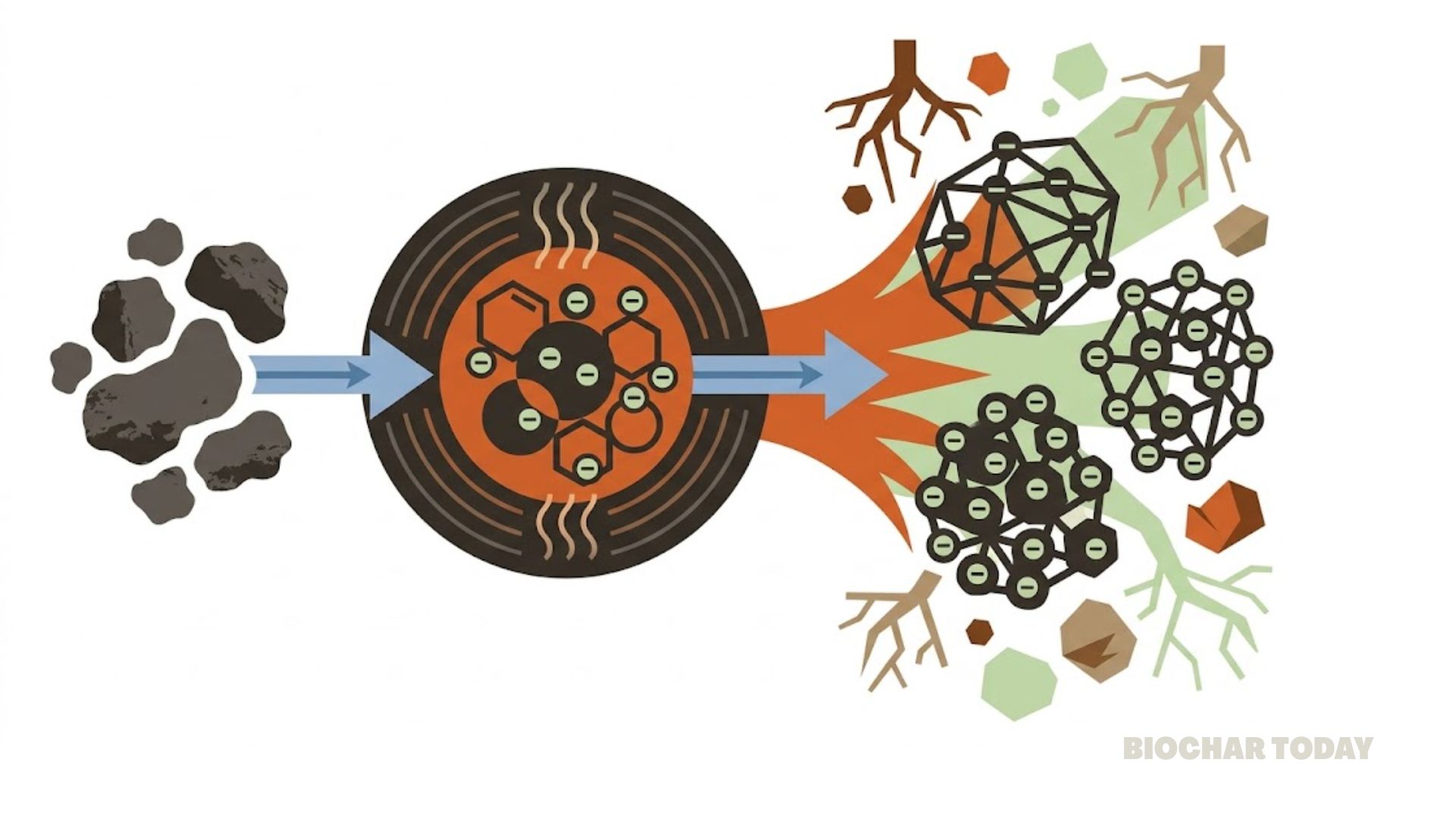
- Converting chicken coop waste into biocharBiochar is a carbon-rich material created from biomass decomposition in low-oxygen conditions. It has important applications in environmental remediation, soil improvement, agriculture, carbon sequestration, energy storage, and sustainable materials, promoting efficiency and reducing waste in various contexts while addressing climate change challenges. More at low temperatures creates a more effective and stable soil fertilizer than using raw waste.
- The process significantly increases the material’s ability to hold onto nutrients, which helps plants grow better.
- Using this treated waste helps protect the environment by trapping pollutants in the soil so they cannot reach groundwater or plants.
- Low-temperature processing is an energy-efficient way to turn large amounts of poultry farming waste into a valuable resource for farmers.
The chicken farming industry in regions like West Sumatra produces a massive amount of waste, often totaling five tons of litter every forty days from a single large-scale facility. This waste, a mixture of manure and sawdust, poses environmental risks if left untreated. In a study published in the journal IOP Conference Series: Earth and Environmental Science, researchers H. Herviyanti, M. Monikasari, A. Maulana, and I. Darfis explored a sustainable solution by converting this litter into biochar. By using a low-temperature heating process known as pyrolysisPyrolysis is a thermochemical process that converts waste biomass into bio-char, bio-oil, and pyro-gas. It offers significant advantages in waste valorization, turning low-value materials into economically valuable resources. Its versatility allows for tailored products based on operational conditions, presenting itself as a cost-effective and efficient More, the team demonstrated how raw poultry waste can be transformed into a high-quality soil amendmentA soil amendment is any material added to the soil to enhance its physical or chemical properties, improving its suitability for plant growth. Biochar is considered a soil amendment as it can improve soil structure, water retention, nutrient availability, and microbial activity. More that is both eco-friendly and chemically superior to its original form.
The research focused on comparing raw chicken coop waste that passed through a small sieve against larger waste particles that were heated at 250 degrees Celsius for one hour. The results showed that this thermal treatment significantly altered the chemical makeup of the material. One of the most striking findings was the increase in the cation exchange capacity, which effectively doubled after the heating process. This measurement is crucial for agriculture because it indicates how well a material can hold and exchange the nutrients that plants need to thrive. By increasing this capacity, the biochar becomes a much more powerful tool for improving soil fertility than raw manure.
In addition to nutrient retention, the study found that the heating process made the material much more alkaline. The acidity level shifted from a nearly neutral state in the raw waste to a significantly higher alkaline level in the biochar. This change is particularly beneficial for farmers dealing with acidic soils, as the biochar can act as a natural buffering agent to balance soil chemistry. While the process did lead to a slight decrease in total nitrogen due to the heat, the resulting biochar retained a stable amount of organic carbon. This carbon stability is a key factor in long-term soil health and helps the material remain effective in the ground for much longer periods than untreated waste.
The physical transformation during low-temperature pyrolysis also improved the material’s ability to act as a filter for the environment. The researchers identified specific functional groups within the biochar that allow it to grab onto and hold contaminants. This means that when the biochar is added to fields, it does more than just feed plants; it helps prevent harmful pesticides and heavy metals from leachingLeaching is the process where nutrients are dissolved and carried away from the soil by water. This can lead to nutrient depletion and environmental pollution. Biochar can help reduce leaching by improving nutrient retention in the soil. More into the groundwater or being absorbed by crops. This dual role as both a fertilizer and a protective sponge makes the treated chicken litter a versatile asset for sustainable land management.
Proximate analysis of the materials further confirmed that the heating process successfully removed excess moisture and unstable organic compounds. By reducing the water content and volatile matterVolatile matter refers to the organic compounds that are released as gases during the pyrolysis process. These compounds can include methane, hydrogen, and carbon monoxide, which can be captured and used as fuel or further processed into other valuable products. More, the researchers created a more concentrated and stable product. Interestingly, the amount of fixed carbon increased, which suggests that the biochar can serve as a reliable method for long-term carbon storage in the soil. This contributes to broader environmental goals by keeping carbon trapped in the earth rather than allowing it to escape into the atmosphere as the waste decomposes.
Ultimately, the study proves that size separation and low-energy thermal treatment offer a practical pathway for the poultry industry to manage its waste. Rather than viewing chicken litter as a disposal problem, it can be seen as a raw material for a sophisticated soil conditioner. The enhanced chemical properties, combined with the ability to trap pollutants, suggest that this biochar is a superior alternative to direct manure application. It provides a scientific foundation for turning agricultural leftovers into a high-value product that supports both crop production and environmental safety.
Source: Herviyanti, H., Monikasari, M., Maulana, A., & Darfis, I. (2026). Characterization of closed-house chicken litter by size for conversion to biochar through 250°C pyrolysis. IOP Conference Series: Earth and Environmental Science, 1591, 012004.

Leave a Reply