
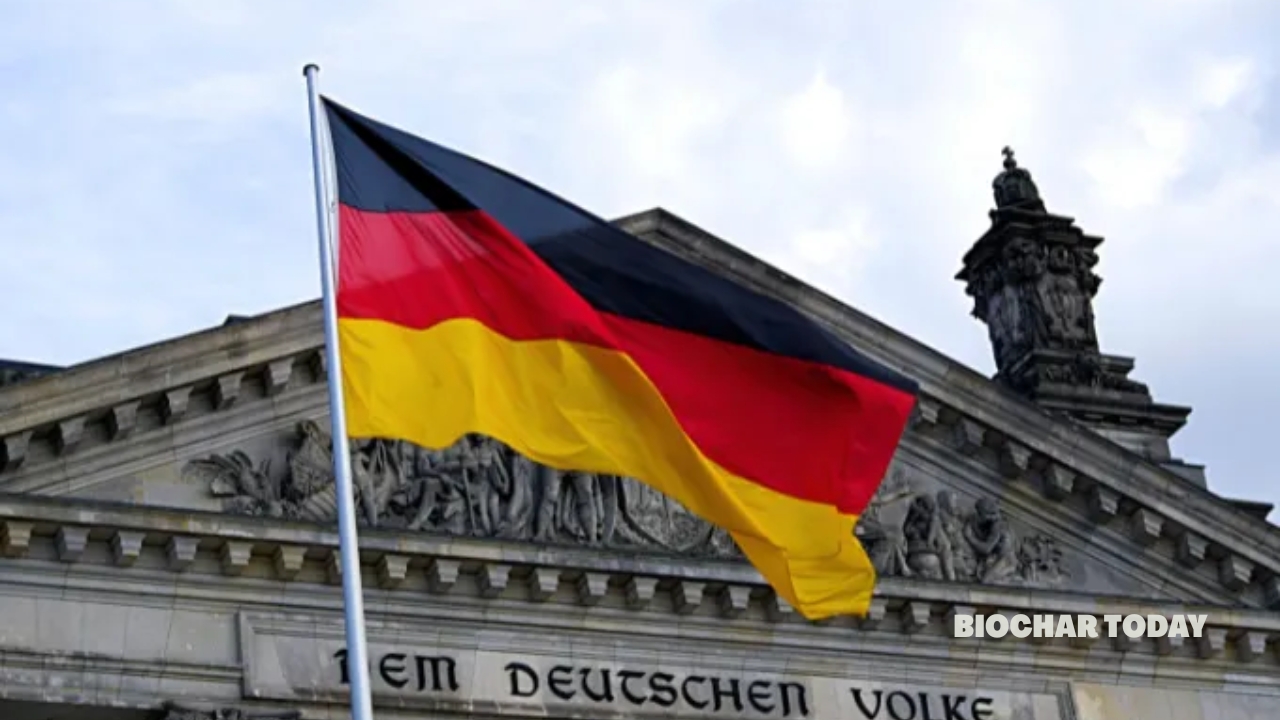
A recent report published by Carbon Gap and Sweco concludes that Germany can achieve its 2045 net-zero target by rapidly scaling a diversified portfolio of carbon dioxide removal (CDR) technologies. The researchers indicate that while deep emissions cuts remain the primary priority, Germany must offset approximately 63 million to 130 million metric tons of unavoidable residual emissions annually from sectors like heavy industry and agriculture. To bridge this gap, the study advocates for the immediate deployment of land-based and technological solutions, including biocharBiochar is a carbon-rich material created from biomass decomposition in low-oxygen conditions. It has important applications in environmental remediation, soil improvement, agriculture, carbon sequestration, energy storage, and sustainable materials, promoting efficiency and reducing waste in various contexts while addressing climate change challenges. More, to ensure long-term climate neutrality.
The central challenge addressed in the report is the significant shortfall between Germany’s current removal capacity and the massive scale required by mid-century. Residual emissions are expected to persist even under optimistic reduction scenarios, yet geological storage and large-scale technical sinks currently lack the necessary legal frameworks and physical infrastructure in Germany. Furthermore, existing land-based methods like reforestation face legal hurdles and land-use conflicts, while emerging technologies require more time and investment to reach market maturity. Without a rapid acceleration of these methods, Germany risks missing its 2045 legal obligations.
The proposed solution involves a “high-ambition” pathway that prioritizes a mixed portfolio of removal methods to avoid over-reliance on any single technology. The report identifies biochar carbon removal (BCR) as a market-ready and affordable option that can contribute to this mix alongside bioenergy with carbon capture and storage (BECCS) and direct air capture. To facilitate this, the analysts recommend that the German government establish clear regulatory frameworks, provide structured public support for innovation, and integrate CDR into national compliance policies such as the upcoming National Negative Emissions Strategy (LNe).
The successful implementation of this roadmap is projected to unlock significant economic and environmental outcomes for Germany by 2045. Rapidly scaling the CDR sector could create up to 190,000 jobs and build a domestic industry valued at approximately 70 billion euros per year. Specifically, biochar is expected to play a foundational role in this bioeconomy, offering co-benefits such as enhanced soil fertility and the production of renewable energy. Ultimately, this strategic approach enables Germany to balance its anthropogenic emissions and removals, transitioning to net-negative emissions after 2050.




Leave a Reply