
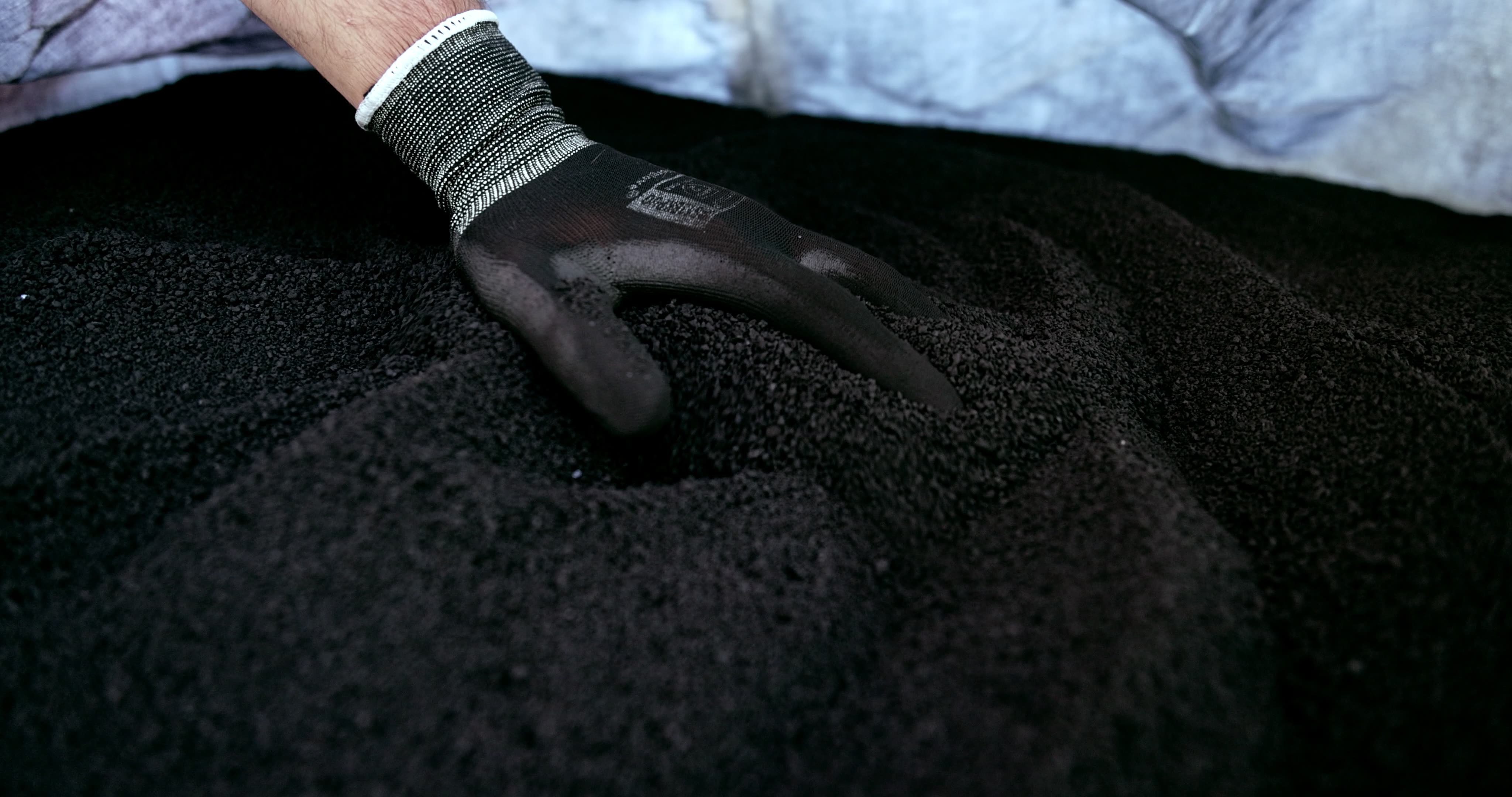
Bioforcetech, in cooperation with the U.S. Environmental Protection Agency (EPA) PFAS Task Force, has successfully demonstrated that its full-scale Sigma pyrolysisPyrolysis is a thermochemical process that converts waste biomass into bio-char, bio-oil, and pyro-gas. It offers significant advantages in waste valorization, turning low-value materials into economically valuable resources. Its versatility allows for tailored products based on operational conditions, presenting itself as a cost-effective and efficient More system can reduce Per- and Polyfluoroalkyl Substances (PFAS) in municipal biosolids to non-detectable levels. This achievement, based on rigorous testing at the Silicon Valley Clean Water facility in Redwood City, California, validates thermal conversion as a definitive solution to a critical environmental liability. The process culminates in the production of a clean engineered biocharBiochar is a carbon-rich material created from biomass decomposition in low-oxygen conditions. It has important applications in environmental remediation, soil improvement, agriculture, carbon sequestration, energy storage, and sustainable materials, promoting efficiency and reducing waste in various contexts while addressing climate change challenges. More, branded as OurCarbon®.
The primary challenge facing municipal wastewater treatment facilities in the United States is the persistent presence of PFAS—known colloquially as “forever chemicals”—in their biosolids stream. These pervasive contaminants limit the beneficial reuse of biosolids and necessitate costly, unsustainable disposal methods like landfilling or land application, which introduce health risks and contribute to long-term environmental contamination.
Bioforcetech’s response is a two-stage thermal solution. The process begins with the BioDryer, which uses biological heat and recycled thermal energy to efficiently reduce the moisture content of dewatered biosolids. This prepared feedstockFeedstock refers to the raw organic material used to produce biochar. This can include a wide range of materials, such as wood chips, agricultural residues, and animal manure. More is then fed into the Sigma Pyrolysis Unit, where it undergoes controlled thermal decomposition in an oxygen-starved environment. Operating at elevated temperatures (around 600°C), the pyrolysis process effectively fractures the highly stable carbon-fluorine bonds of the PFAS molecules. Crucially, the system utilizes a net-zero energy approach by capturing and combusting the resulting py-gas for process heat recovery, minimizing operational costs and the overall environmental footprint.
The testing, which included analysis by independent and EPA laboratories, confirmed remarkable results. Concentrations of 38 to 41 target PFAS compounds, including PFOA and PFOS, present in the input material were found to be non-detectable in the output biochar. Furthermore, the process achieves a 90% volume reduction of the initial waste material, transforming the remaining solids into the stable, valuable engineered biochar, OurCarbon®. This high-value product, now certified PFAS-free, is positioned for versatile commercial applications, including soil amendmentA soil amendment is any material added to the soil to enhance its physical or chemical properties, improving its suitability for plant growth. Biochar is considered a soil amendment as it can improve soil structure, water retention, nutrient availability, and microbial activity. More, carbon sequestration, and material substitution.
The success of the Bioforcetech Sigma system sets a significant precedent for the biochar industry and wastewater management globally. Advanced pyrolysis offers a powerful, verifiable pathway for contaminant destruction that satisfies rigorous regulatory scrutiny, as evidenced by the EPA validation. For organizations considering biosolids management strategies, this technology demonstrates that a true “circular economy” model is achievable, effectively transforming a dangerous liability into a carbon-negative asset while fundamentally mitigating long-term environmental risk.





Leave a Reply