
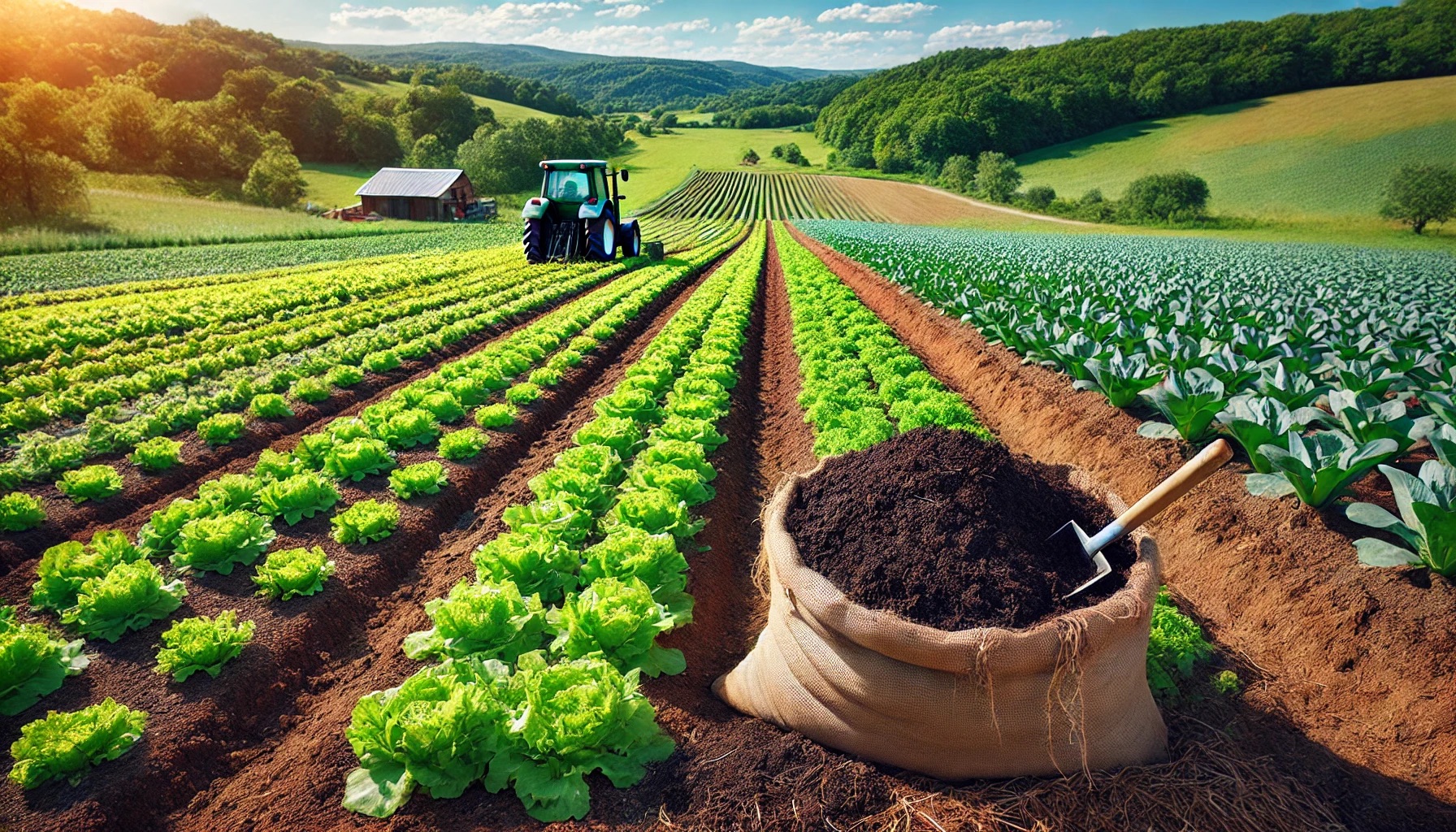
At Spiral Path Farm in Loysville, Pennsylvania, biocharBiochar is a carbon-rich material created from biomass decomposition in low-oxygen conditions. It has important applications in environmental remediation, soil improvement, agriculture, carbon sequestration, energy storage, and sustainable materials, promoting efficiency and reducing waste in various contexts while addressing climate change challenges. More is a key component of soil management. Will Brownback, a second-generation organic vegetable farmer, has been incorporating biochar into his compost for over a decade. Each year, he applies 2-3 tons of compost per acre, with about 300 pounds of biochar mixed in. The result is increased microbial activity, improved nutrient retention, and healthier soil.
Brownback sources his biochar from Metzler Forest Products in Reedsville, Pennsylvania. Produced through an advanced pyrolysisPyrolysis is a thermochemical process that converts waste biomass into bio-char, bio-oil, and pyro-gas. It offers significant advantages in waste valorization, turning low-value materials into economically valuable resources. Its versatility allows for tailored products based on operational conditions, presenting itself as a cost-effective and efficient More process, Metzler’s biochar is made from wood chips and is designed for agricultural use. The farm receives a tractor-trailer load of biochar annually, blending it with compost materials like hay, waste vegetables, and wood chips.
Spiral Path Farm also uses biochar in its worm composting system. Red wiggler worms break down the biochar-enriched compost, producing nutrient-rich worm castings. These castings enhance the farm’s potting soil, which is used to start vegetable plants in greenhouses. Some of the worm compost is also liquefied for a microbial root drench.
While Brownback hasn’t quantified yield increases, he sees clear benefits in soil structure and fertility. Research supports biochar’s role in carbon sequestration, nutrient retention, and reducing greenhouse gas emissions. Metzler Forest Products continues to refine its biochar production, ensuring high-quality material for farmers like Brownback. As interest in biochar grows, Spiral Path Farm stands as an example of its potential for long-term soil health and sustainability.
LEARN MORE: Biochar Helps Vegetable Grower Improve Soil Vitality


Leave a Reply