
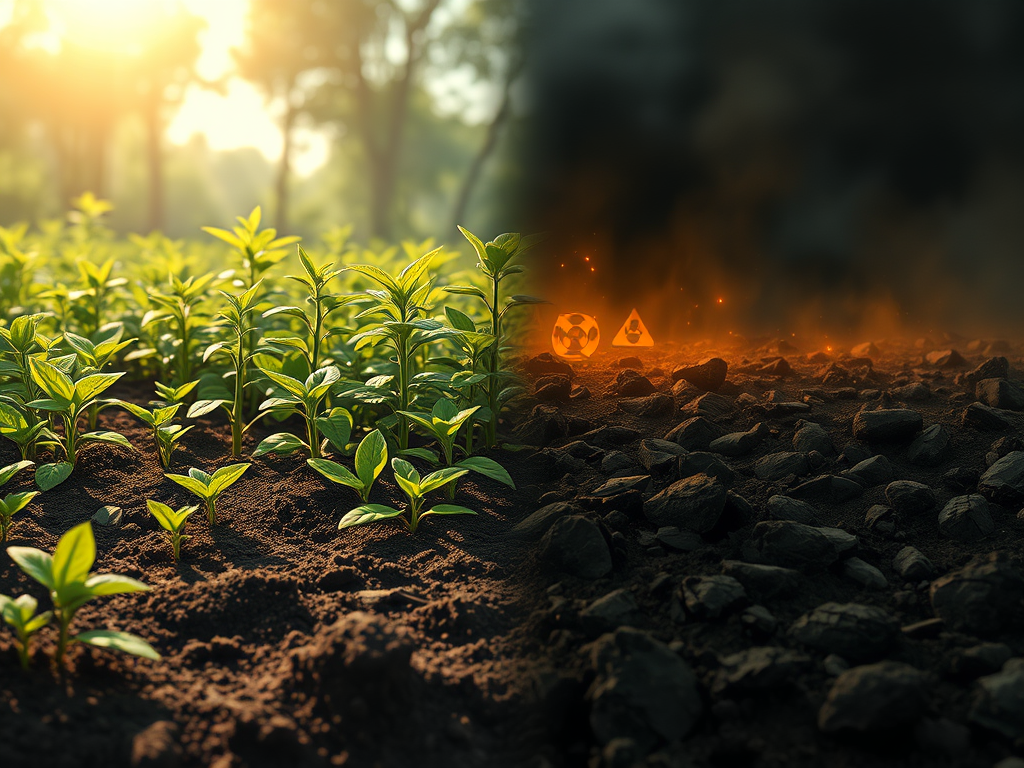
BiocharBiochar is a carbon-rich material created from biomass decomposition in low-oxygen conditions. It has important applications in environmental remediation, soil improvement, agriculture, carbon sequestration, energy storage, and sustainable materials, promoting efficiency and reducing waste in various contexts while addressing climate change challenges. More has long been celebrated as a green hero, offering solutions for soil enrichment, carbon sequestration, and water pollution control. However, like any innovation, it comes with its own set of challenges. Recent research published in ‘Biochar’ sheds light on the potential risks associated with biochar, urging us to take a closer look at its environmental and health impacts to ensure safe and sustainable applications.
The risks of biochar are broadly categorized into two types: endogenous and exogenous. Endogenous risks stem from pollutants present in the raw materials used to produce biochar, such as heavy metals and toxic organic compounds. Exogenous risks, on the other hand, emerge during the application of biochar, as it interacts with environmental media and potentially releases adsorbed pollutants. These risks are heavily influenced by factors like the type of biomassBiomass is a complex biological organic or non-organic solid product derived from living or recently living organism and available naturally. Various types of wastes such as animal manure, waste paper, sludge and many industrial wastes are also treated as biomass because like natural biomass these More used, the pyrolysis conditionsThe conditions under which pyrolysis takes place, such as temperature, heating rate, and residence time, can significantly affect the properties of the biochar produced. More, and how the biochar is applied in real-world scenarios. For instance, biomass sourced from contaminated areas or biochar produced at excessively high temperatures may harbor harmful substances, while ultra-fine biochar particles could disperse into ecosystems, posing new risks.
The study highlights biochar’s potential adverse effects on plants, animals, microorganisms, and human health. These effects can result from mechanisms like the release of pollutants, aging processes, or nano-scale interactions with environmental systems. While current research focuses mainly on the short-term impacts of biochar on soil-based ecosystems, the long-term consequences and its effects in aquatic environments remain largely unexplored. This knowledge gap underscores the need for further research to understand biochar’s full environmental footprint.
To mitigate these risks, the study emphasizes the importance of using unpolluted, lignin-rich biomass to reduce the presence of harmful substances in biochar. Optimizing pyrolysisPyrolysis is a thermochemical process that converts waste biomass into bio-char, bio-oil, and pyro-gas. It offers significant advantages in waste valorization, turning low-value materials into economically valuable resources. Its versatility allows for tailored products based on operational conditions, presenting itself as a cost-effective and efficient More conditions to minimize hazardous by-products and avoiding the use of excessively fine biochar particles are also key strategies. Moreover, the development of standardized risk assessment methods is crucial to provide clear guidelines for biochar production and application, ensuring its benefits outweigh potential drawbacks.
Our take
This research is a timely reminder of the need to balance the benefits of biochar with an informed approach to its risks. By adopting clean feedstocks, refining production practices, and investing in long-term studies, we can unlock the full potential of biochar while safeguarding environmental and human health. As biochar continues to evolve as a sustainable solution, addressing these challenges will be vital for its responsible and effective use.
SOURCE: Dong, M., Jiang, M., He, L. et al. (2025) Challenges in safe environmental applications of biochar: identifying risks and unintended consequence. Biochar. https://doi.org/10.1007/s42773-024-00412-4



Leave a Reply