
In the United States, carbon registry platform Isometric issued 2,821 carbon removal certificates to BiocharBiochar is a carbon-rich material created from biomass decomposition in low-oxygen conditions. It has important applications in environmental remediation, soil improvement, agriculture, carbon sequestration, energy storage, and sustainable materials, promoting efficiency and reducing waste in various contexts while addressing climate change challenges. More Solutions Ltd. for carbon dioxide removal (CDR) achieved through the Burney Forest Power biochar facility in Shasta County, California. The issuance relies on Isometric’s Biochar Production and Storage Protocol in conjunction with digital monitoring, reporting, and verification (dMRV) infrastructure provided by Cula Technologies. By validating the physical generation, chemical stability, and final agricultural disposition of the material, the issuance establishes a fully transparent provenance for durable, high-integrity carbon credits generated from California’s forestry sector.
The primary operational challenge addressed by this deployment is the severe accumulation of low-value woody biomassBiomass is a complex biological organic or non-organic solid product derived from living or recently living organism and available naturally. Various types of wastes such as animal manure, waste paper, sludge and many industrial wastes are also treated as biomass because like natural biomass these More and forest residues across Northern California, which heightens regional catastrophic wildfire risks. Forest management and fire hazard mitigation programs generate substantial volumes of brush and unmerchantable timber, yet regional biomass management infrastructure remains constrained. Without viable, high-value utilization pathways, excess forestry waste is frequently pile-burned or left to decompose, releasing stored carbon back into the atmosphere as carbon dioxide and methane while failing to support regional circular bioeconomies.
To address these forestry waste management barriers, the Burney Forest Power facility utilizes a dual-generation thermochemical conversion approach, processing forest thinning residuals and wood recycling waste into both baseload electricity and solid biochar. The resulting carbon-rich byproduct is diverted from waste streams and incorporated into regional agricultural soils. Cula Technologies’ dMRV platform monitors supply chain parameters and operational metrics in real time, enabling Isometric to audit carbon accounting models, quantify net durability, and issue verifiable carbon removal certificates onto its public registry.
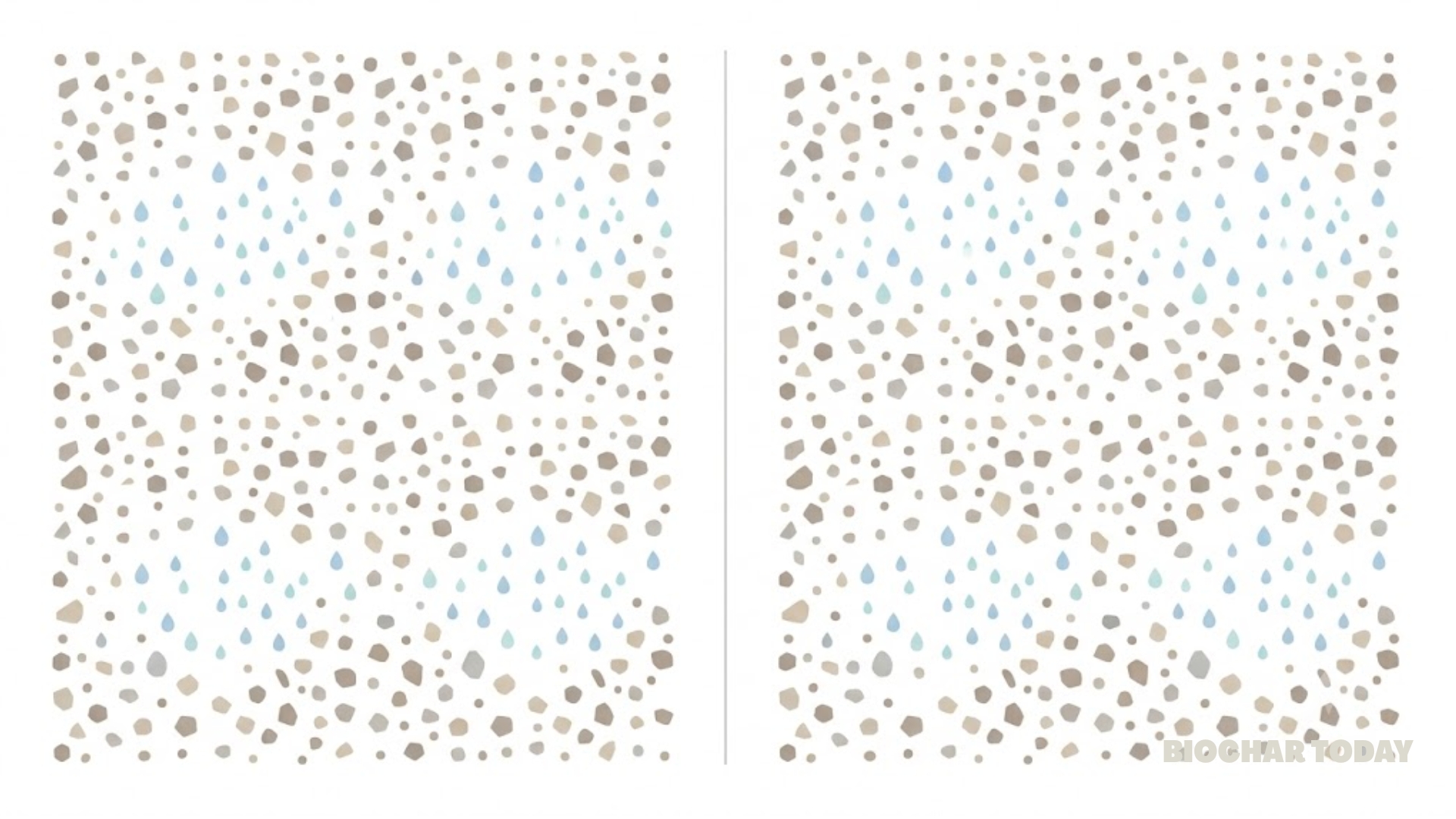
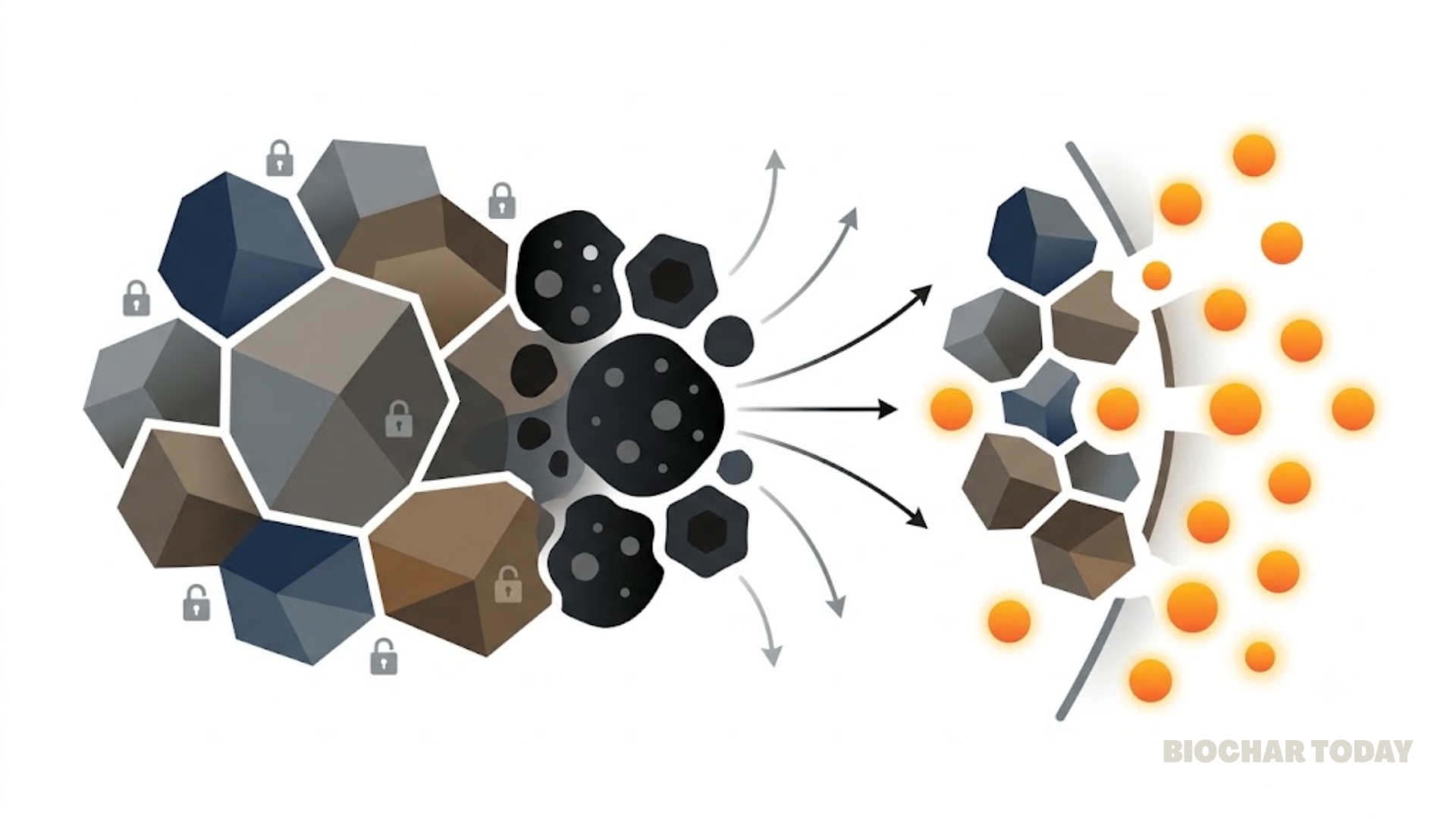
The primary outcome of this initial issuance is the commercial validation of a scalable biochar supply chain that delivers verified long-term carbon sequestration alongside tangible local socioeconomic and ecological benefits. Soil application of the Burney Forest Power biochar enhances agricultural water retention, reduces reliance on synthetic fertilizers, and locks sequestered atmospheric carbon into soil matrices for centuries. Concurrently, the operational model reduces regional wildfire fuel loads and supports local forestry supply chain employment throughout Shasta County, establishing a replicable framework for utility-scale biomass conversion.

Leave a Reply