
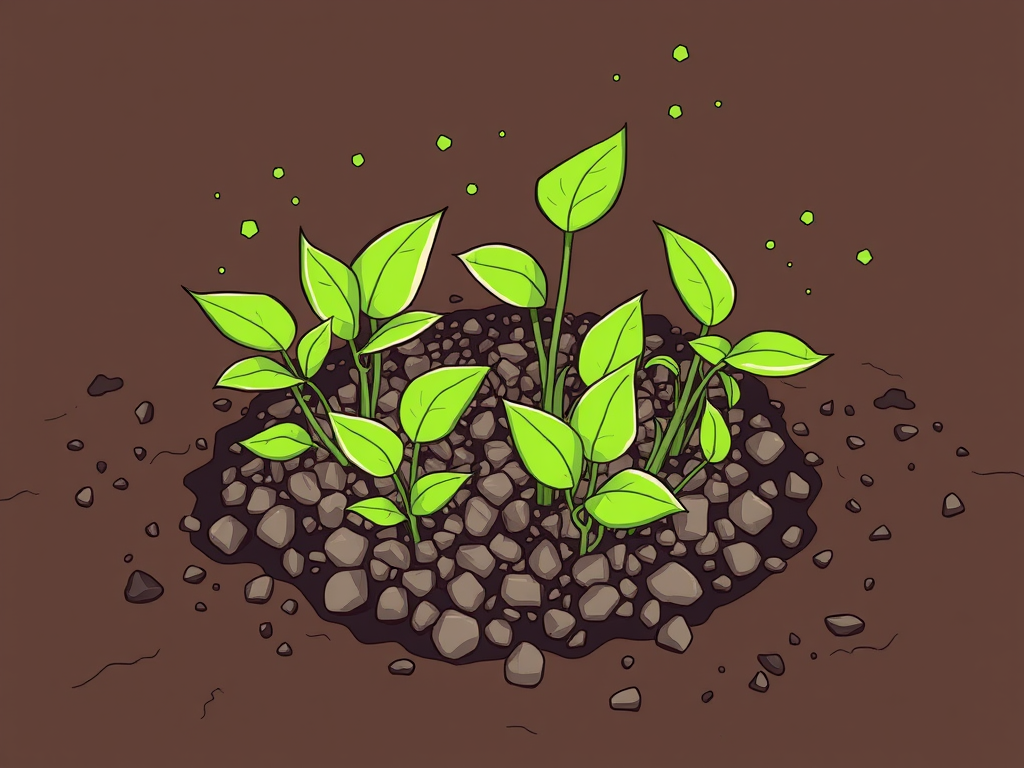
In a recent study published in the Phyton-International Journal of Experimental Botany, authors Shahin Imran, Mousumi Jahan Sumi, and colleagues explore the promising role of biocharBiochar is a carbon-rich material created from biomass decomposition in low-oxygen conditions. It has important applications in environmental remediation, soil improvement, agriculture, carbon sequestration, energy storage, and sustainable materials, promoting efficiency and reducing waste in various contexts while addressing climate change challenges. More in mitigating heavy metal (HM) stress in plants.
The accumulation of heavy metals like cadmium, lead, copper, chromium, arsenic, zinc, and nickel in soil poses significant threats to ecological health, plant growth, and food safety. This review highlights biochar’s potential to reduce metal uptake by plants, improve soil quality, and support microbial activity, offering a sustainable solution for polluted soils.
Biochar derived from pyrolyzed organic biomassBiomass is a complex biological organic or non-organic solid product derived from living or recently living organism and available naturally. Various types of wastes such as animal manure, waste paper, sludge and many industrial wastes are also treated as biomass because like natural biomass these More, has demonstrated remarkable effectiveness in reducing heavy metal stress in contaminated soils. The porous structure and large surface area of biochar enable it to bind to heavy metals, reducing their bioavailability and mobility. For instance, studies have shown that biochar amendments decrease lead extractability in ryegrass shoots and reduce lead levels in maize shoots by attracting and retaining positively charged ions. Similarly, biochar has been found to mitigate chromium stress by reducing its levels in soil, plants, and water, with removal efficiency reaching up to 99% for lead and chromium, and over 90% for cadmium, arsenic, and mercury.
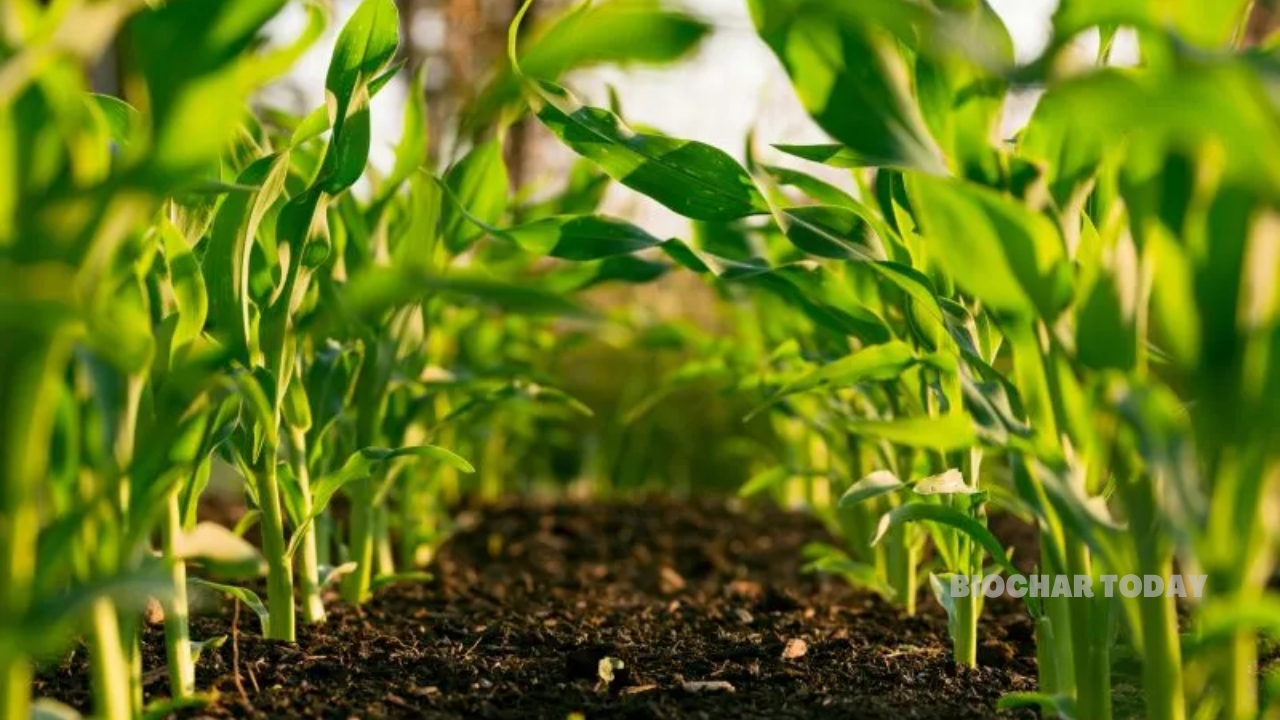
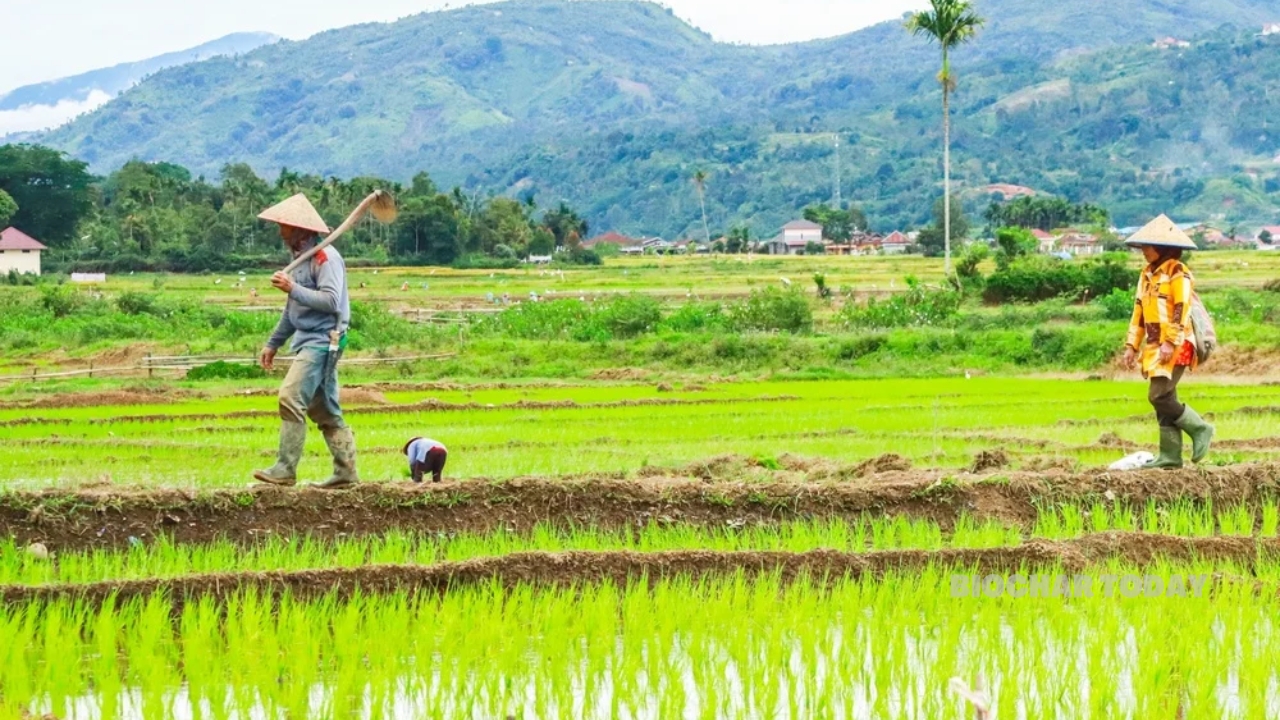
Beyond reducing heavy metal toxicity, biochar improves soil fertility, water retention, and nutrient absorption, while also fostering beneficial interactions with soil microorganisms. This leads to enhanced plant growth and productivity, as observed in various studies. For example, biochar application has been shown to increase plant biomass and chlorophyll content, alleviate oxidative stress, and improve nutrient uptake in plants like maize, rice, and soybean grown in contaminated soils. While the research indicates that biochar holds great promise for soil remediation and sustainable agriculture, its effectiveness varies depending on the type of biochar, soil characteristics, and specific heavy metals present. Further studies are needed to optimize its application and address potential drawbacks, such as the release of heavy metals under certain conditions. Overall, biochar represents a sustainable approach to mitigating heavy metal stress in plants, promoting healthier ecosystems and ensuring food safety.
SOURCE: Imran, S., Sumi, M. J., Harine, I. J., Paul, N. C., Mahamud, M. A., Rabbi, R. H. M., Brestic, M., & Rhaman, M. S. (2025). Biochar Amendments in Soil: A Sustainable Approach for Mitigating Heavy Metal Stress in Plants. Phyton-International Journal of Experimental Botany, 94(4), 123-142.


Leave a Reply