
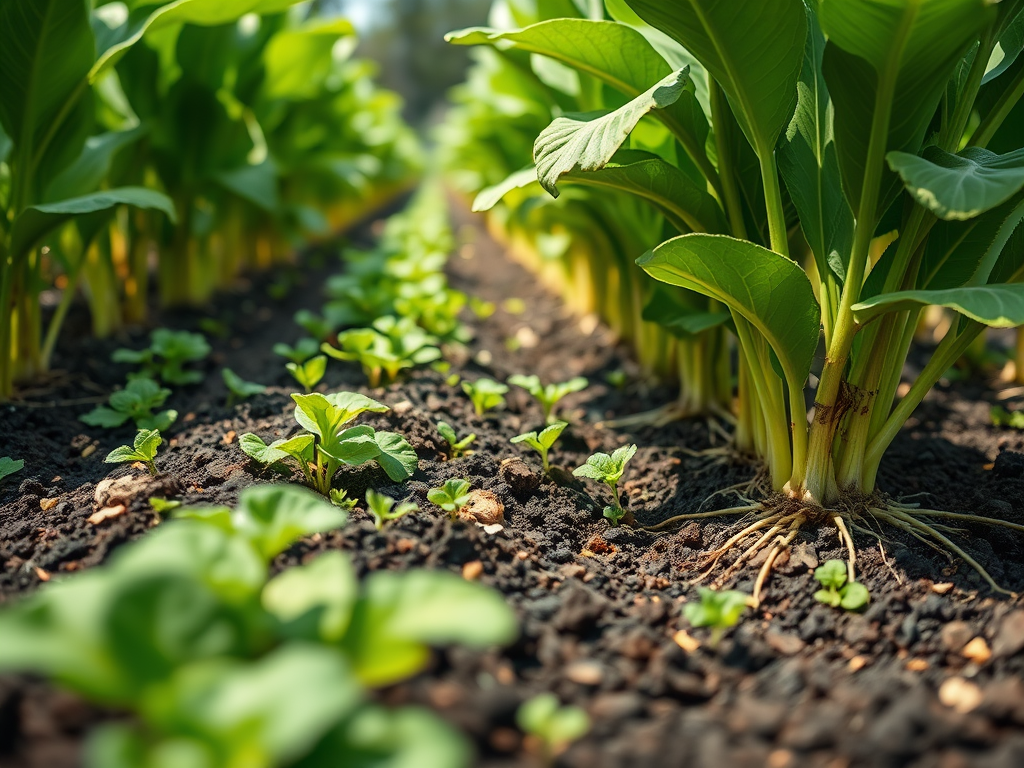
Heavy metal contamination affects an estimated 24 million hectares of farmland worldwide, posing significant risks to both crop yields and human health through food chain exposure. A review paper published in Industrial Crops & Products by Abolghassem Emamverdian, Ahlam Khalofah, Necla Pehlivan, and Abazar Ghorbani explores the use of carbon-rich biocharBiochar is a carbon-rich material created from biomass decomposition in low-oxygen conditions. It has important applications in environmental remediation, soil improvement, agriculture, carbon sequestration, energy storage, and sustainable materials, promoting efficiency and reducing waste in various contexts while addressing climate change challenges. More and nano-biochar as sustainable materials for addressing this problem. These materials, derived from anaerobic thermal processes, can immobilize heavy metals through various mechanisms while also enhancing soil fertility and resilience to climate stress.
Biochar, often referred to as “soil’s black gold,”is a porous material that improves soil structure, moisture retention, and fertility. One of the key ways biochar helps is by raising soil pHpH is a measure of how acidic or alkaline a substance is. A pH of 7 is neutral, while lower pH values indicate acidity and higher values indicate alkalinity. Biochars are normally alkaline and can influence soil pH, often increasing it, which can be beneficial More, which creates an alkaline environment that reduces the availability of heavy metals. For instance, rice straw biochar has been shown to decrease cadmium availability in soil by 40%. The material’s unique physicochemical properties, including a porous carbon medium and adjustable surface chemistry, allow it to bind to metal ions through processes like electrostatic interactions, complexation, and precipitation. Studies have shown that biochar applications can lead to substantial reductions in metal content in various plant tissues, including grains, shoots, and roots.
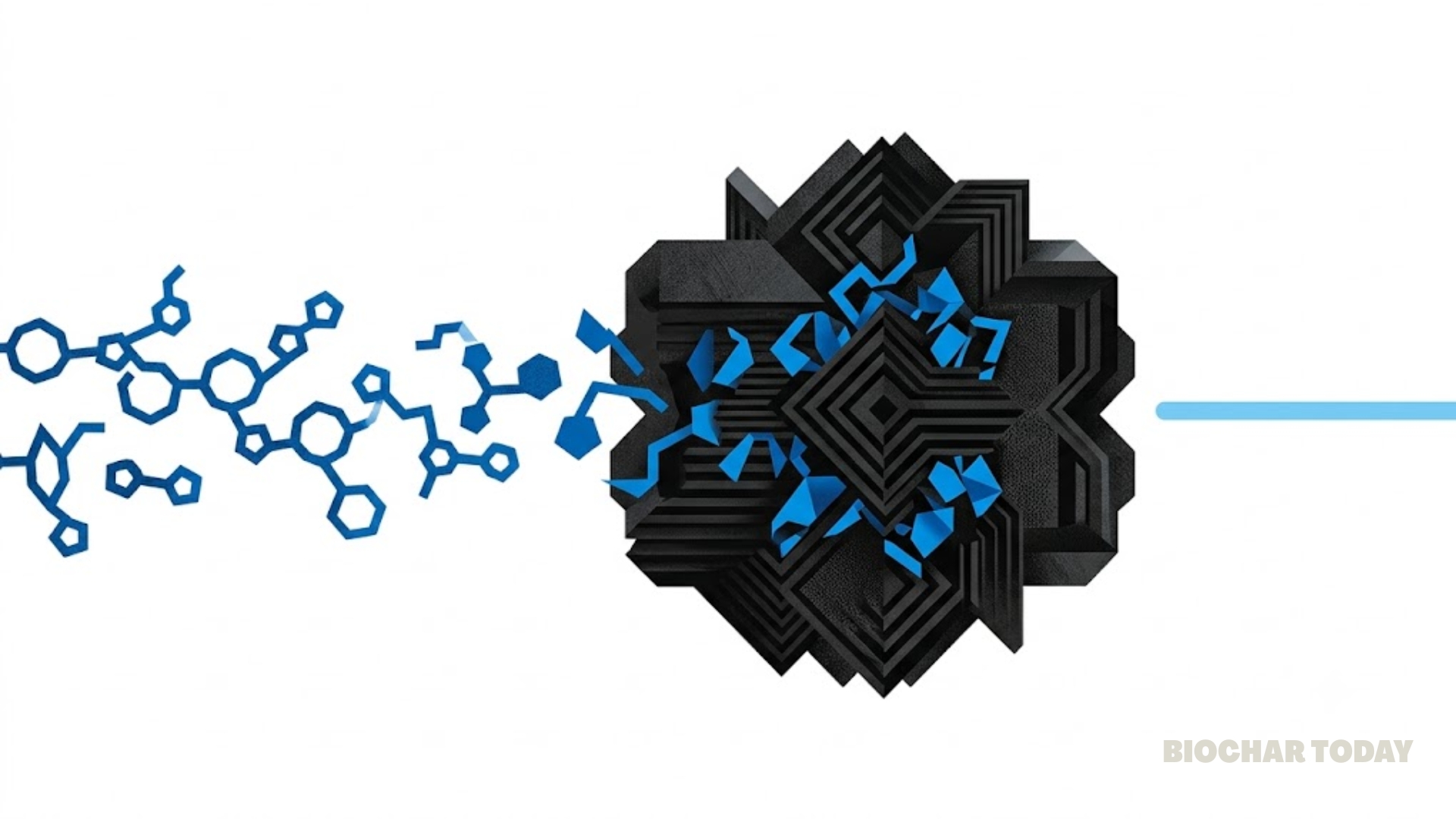
Nano-biochar, a modified version of biochar with nanoscale particles, offers even greater efficiency. Its superior performance is attributed to its enhanced surface area, porosityPorosity of biochar is a key factor in its effectiveness as a soil amendment and its ability to retain water and nutrients. Biochar’s porosity is influenced by feedstock type and pyrolysis temperature, and it plays a crucial role in microbial activity and overall soil health. Biochar More, and a higher density of reactive functional groups. This allows it to employ advanced mechanisms such as targeted electrostatic attraction, redox reactions, and cation-π interactions, which are particularly effective in binding contaminants in low-concentration or complex pollution scenarios. Aggregated research data indicate that nano-biochar can reduce heavy metal uptake in crops by 30-95% and boost crop yields by up to 59%. This makes it a powerful tool for remediating highly contaminated soils and drylands. Compared to conventional biochar, nano-biochar also demonstrates improved nutrient availability, water retention, and microbial activity.
Beyond remediation, both biochar and nano-biochar support climate-smart agriculture by improving crop resilience. For example, nano-biochar enhances drought tolerance by improving water retention and root-zone moisture regulation. It also increases nutrient retention, which is especially beneficial in areas with heavy rainfall where nutrient leachingLeaching is the process where nutrients are dissolved and carried away from the soil by water. This can lead to nutrient depletion and environmental pollution. Biochar can help reduce leaching by improving nutrient retention in the soil. More is a concern. The high carbon content of biochar contributes to soil organic carbon, which enhances the binding of heavy metals and nourishes soil microorganisms, further improving soil health. Both materials also help plants cope with stress by activating antioxidant defenses and improving photosynthetic efficiency, as seen in studies on plants exposed to metal toxicity.
Despite these clear benefits, there are challenges to widespread adoption. One major barrier for nano-biochar is scalability, as its production requires high energy inputs and is more expensive than traditional biochar. The production cost for conventional biochar is up to 50% lower than other remediation methods, making it a more economical choice. Additionally, there are potential environmental risks, such as the release of polycyclic aromatic hydrocarbons (PAHs) or other toxic compounds depending on the feedstockFeedstock refers to the raw organic material used to produce biochar. This can include a wide range of materials, such as wood chips, agricultural residues, and animal manure. More and production conditions. Long-term ecological impacts, including the effect on soil microbial communities and the potential for nano-biochar particles to move within the soil, require further research.
Ultimately, the choice between biochar and nano-biochar depends on the specific application. Traditional biochar is a cost-effective and highly stable option for large-scale soil amendmentA soil amendment is any material added to the soil to enhance its physical or chemical properties, improving its suitability for plant growth. Biochar is considered a soil amendment as it can improve soil structure, water retention, nutrient availability, and microbial activity. More, while nano-biochar is more suitable for high-value situations like heavily contaminated or drought-prone areas where its superior performance justifies the higher cost. Future research should focus on developing standardized application protocols, long-term monitoring frameworks, and policy incentives to support the adoption of these innovative solutions for sustainable agriculture and environmental health.
Source: Emamverdian, A., Khalofah, A., Pehlivan, N., & Ghorbani, A. (2025). Utilizing nano-biochar and biochar for sustainable heavy metal remediation and enhanced crop tolerance: Innovative approaches in nano-biosensing and environmental health. Industrial Crops & Products, 234, 121462.



Leave a Reply