

Key Takeaways
- Adding biocharBiochar is a carbon-rich material created from biomass decomposition in low-oxygen conditions. It has important applications in environmental remediation, soil improvement, agriculture, carbon sequestration, energy storage, and sustainable materials, promoting efficiency and reducing waste in various contexts while addressing climate change challenges. More to clay-heavy soil helps the ground hold onto significantly more water, especially at depths between 4 and 8 inches.
- Higher amounts of biochar are much more effective at increasing water storage than lower amounts, particularly during dry summer months.
- Even though the soil became wetter with the addition of biochar, the soybean plants did not produce more beans during the first two years.
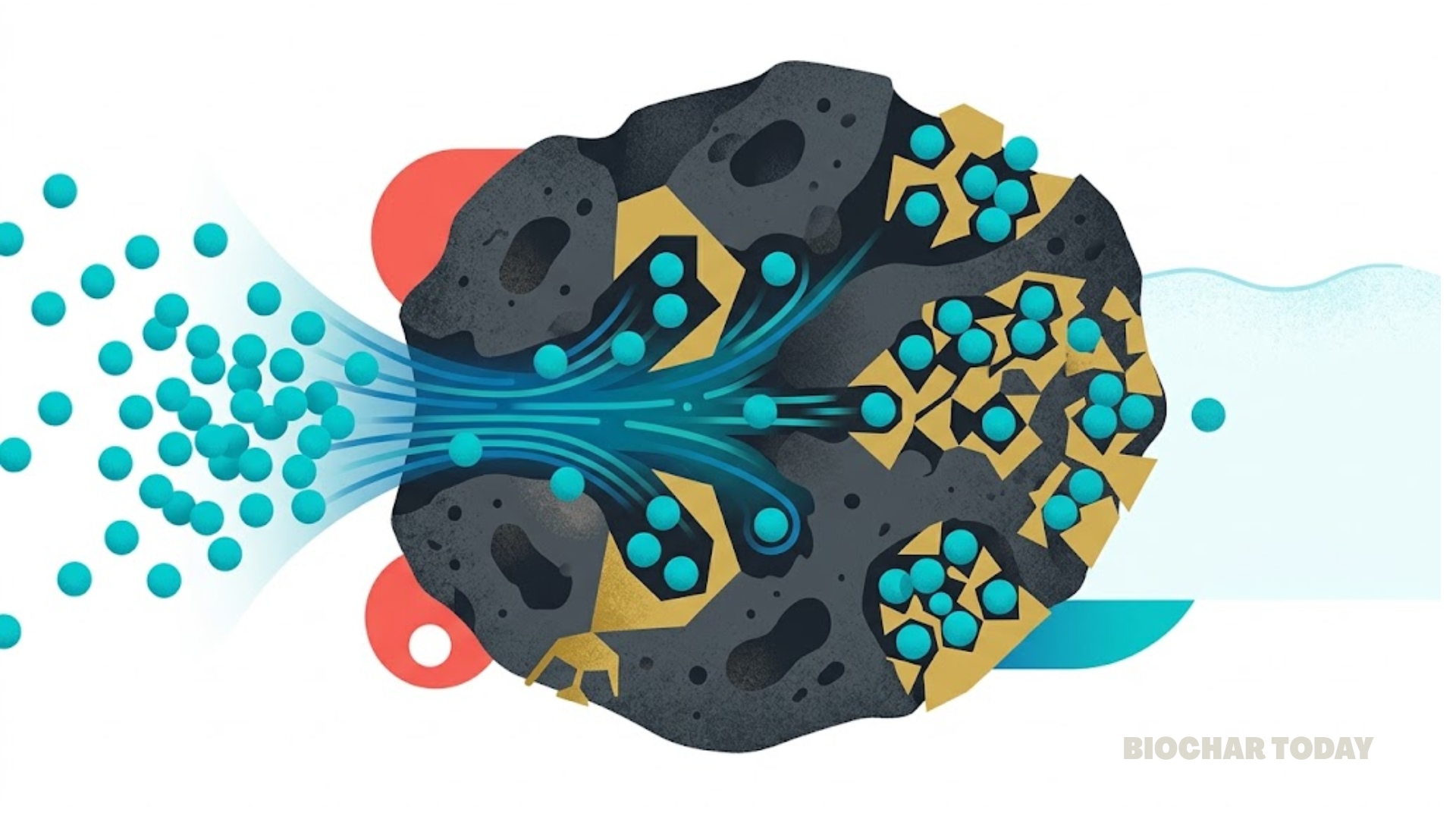
- The way biochar changes the tiny holes in the soil helps water move down into the earth rather than running off the surface.
- In some cases, biochar can temporarily trap nutrients like nitrogen, which might prevent plants from growing faster even when more water is available.
Understanding how to manage water in the restrictive claypan soils of the American Midwest is a major challenge for modern agriculture. In a study published in the journal Earth Critical Zone, researchers Jamshid Ansari, Sidath S. Mendis, Morgan P. Davis, Miguel Salceda-Gonzalez, Biyensa Gurmessa, and Ranjith P. Udawatta investigated how biochar affects water storage and crop productivity. These specific soils are known for having a dense layer of clay beneath the surface that prevents water from draining properly, often leading to surface runoff and crop stress. The research team focused on whether biochar, made from organic waste, could improve the soil structure enough to help farmers in central Missouri better manage their water resources.
The research revealed that the application of biochar significantly changed the way water stayed in the soil profile. When applied at a higher rate of 5.4 megagrams per hectare, the biochar consistently increased the volumetric water content at depths of 10 and 20 centimeters. For instance, during the first year of the study, the higher biochar treatment maintained moisture levels that were significantly higher than the untreated control plots. This indicates that the porous nature of biochar creates a more robust network of tiny spaces that can hold onto water even when the surrounding clay soil begins to dry out. This effect was most noticeable during late summer dry periods when the higher biochar rate preserved greater moisture at the 10-centimeter depth.
While the water-holding capacity of the soil improved, the scientists discovered a surprising decoupling between soil moisture and crop performance. Despite the soil being wetter, the final soybean yields did not show a corresponding increase. In fact, the control plots occasionally produced slightly better results during peak growing stages. This suggests that in these specific clay-rich environments, water may not be the only factor limiting how many soybeans a plant can produce. The researchers noted that biochar might initially act as a sink for essential nutrients like nitrogen, holding them so tightly that the plants cannot access them for growth, which effectively offsets the benefits of having more water available in the root zone.
The study also highlighted how the depth of the soil affects these interactions. At the very surface, about 5 centimeters deep, the lower rate of biochar actually performed better in the short term. However, the most stable and significant improvements were found deeper down, where the higher biochar rate helped maintain a consistent moisture regime. This is important because deeper moisture is more protected from evaporation and is more critical for plant survival during extended droughts. The researchers emphasized that the changes biochar makes to soil architecture are complex and may take several years to fully benefit the crop as the material ages and integrates into the natural soil matrix.
Ultimately, these findings suggest that biochar is a powerful tool for modifying the physical health of claypan soils, but it is not an immediate fix for increasing crop yields. While it successfully reduced the risk of water loss and increased the total amount of water stored in the ground, farmers must consider how it interacts with fertilizers and plant nutrients. Future management of these challenging soils will likely require a combination of biochar to improve water dynamics and carefully timed nutrient applications to ensure that the increased moisture actually leads to a more bountiful harvest. This two-year study provides a vital foundation for long-term strategies aimed at making Midwestern farms more resilient to the unpredictable weather patterns of the future.
Source: Ansari, J., Mendis, S. S., Davis, M. P., Salceda-Gonzalez, M., Gurmessa, B., & Udawatta, R. P. (2026). Biochar effects on soil moisture and soybean yield in claypan soils. Earth Critical Zone, 100067.


Leave a Reply