
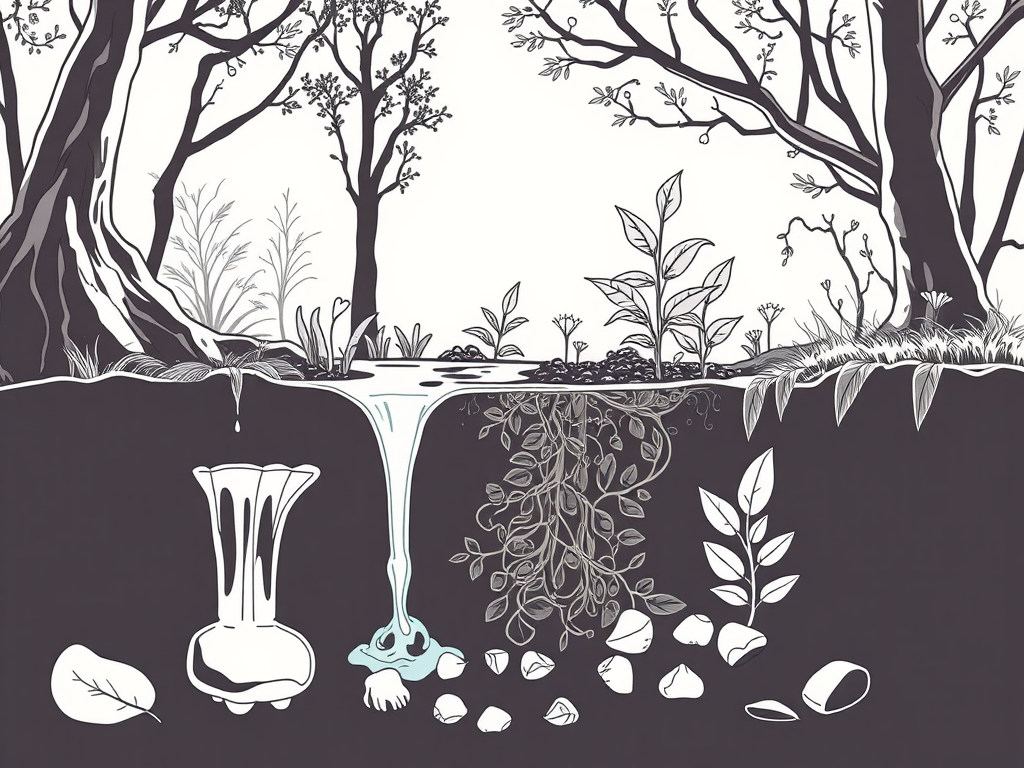
In a recent study published in Environmental Technology & Innovation, authors Simon Leitner, Gerhard Soja, Katharina Keiblinger, Christine Stumpp, and Andrea Watzinger explored the effectiveness of biochar-amended biofilters for groundwater remediation. The research highlights that biofilters, which use eco-friendly filter materials like biocharBiochar is a carbon-rich material created from biomass decomposition in low-oxygen conditions. It has important applications in environmental remediation, soil improvement, agriculture, carbon sequestration, energy storage, and sustainable materials, promoting efficiency and reducing waste in various contexts while addressing climate change challenges. More, offer a promising solution for cleaning up groundwater contaminated with chlorinated ethenes, a common pollutant from industrial activities.
The study’s experiments compared two types of biochar against activated carbonActivated carbon is a form of carbon that has been processed to create a vast network of tiny pores, increasing its surface area significantly. This extensive surface area makes activated carbon exceptionally effective at trapping and holding impurities, like a molecular sponge. It is commonly More, a commonly used filter material. Biochar is produced from agricultural waste and is considered a more environmentally friendly alternative to activated carbon, which often comes from less sustainable sources. The researchers introduced specific microbial communities into the filters to break down tetrachloroethene (PCE), a major groundwater contaminant, into ethene, a harmless substance.
The results showed that biochar filters were more effective in facilitating the complete conversion of PCE to ethene. A key finding of the study is the potential for biofilters to be self-renewing. The research indicates that biochar-amended biofilters could reduce long-term remediation costs due to the enhanced bioavailability of contaminants and the continuous regeneration of the filter’s capacity.
While the results are promising, the authors suggest that more research is needed, including pilot-scale tests and field studies, to fully understand and optimize biofilter technology. These future studies will help to address factors such as groundwater temperature, redox potential fluctuations, nutrient and pollutant supply, and the prevention of clogging to ensure the successful implementation of biofilters in real-world scenarios.
In conclusion, this study provides valuable insights into the potential of biochar-amended biofilters as an effective and sustainable solution for groundwater remediation. The ability of biochar to support microbial activity and facilitate the breakdown of harmful pollutants offers a promising path forward for environmental cleanup.
Source: Leitner, S., Soja, G., Keiblinger, K., Stumpp, C., & Watzinger, A. (2025). Purification of groundwater contaminated with chlorinated ethenes using biochar-amended biofilters. Environmental Technology & Innovation, (in press).





Leave a Reply