

In a review published in ChemistryOpen, Sobekwa et al., discuss the potential of using biocharBiochar is a carbon-rich material created from biomass decomposition in low-oxygen conditions. It has important applications in environmental remediation, soil improvement, agriculture, carbon sequestration, energy storage, and sustainable materials, promoting efficiency and reducing waste in various contexts while addressing climate change challenges. More, derived from alien vegetation, as a support material for electrocatalysts in proton exchange membrane (PEM) fuel cells. The review emphasizes the importance of finding green energy solutions and the role of biochar in ecological conservation.
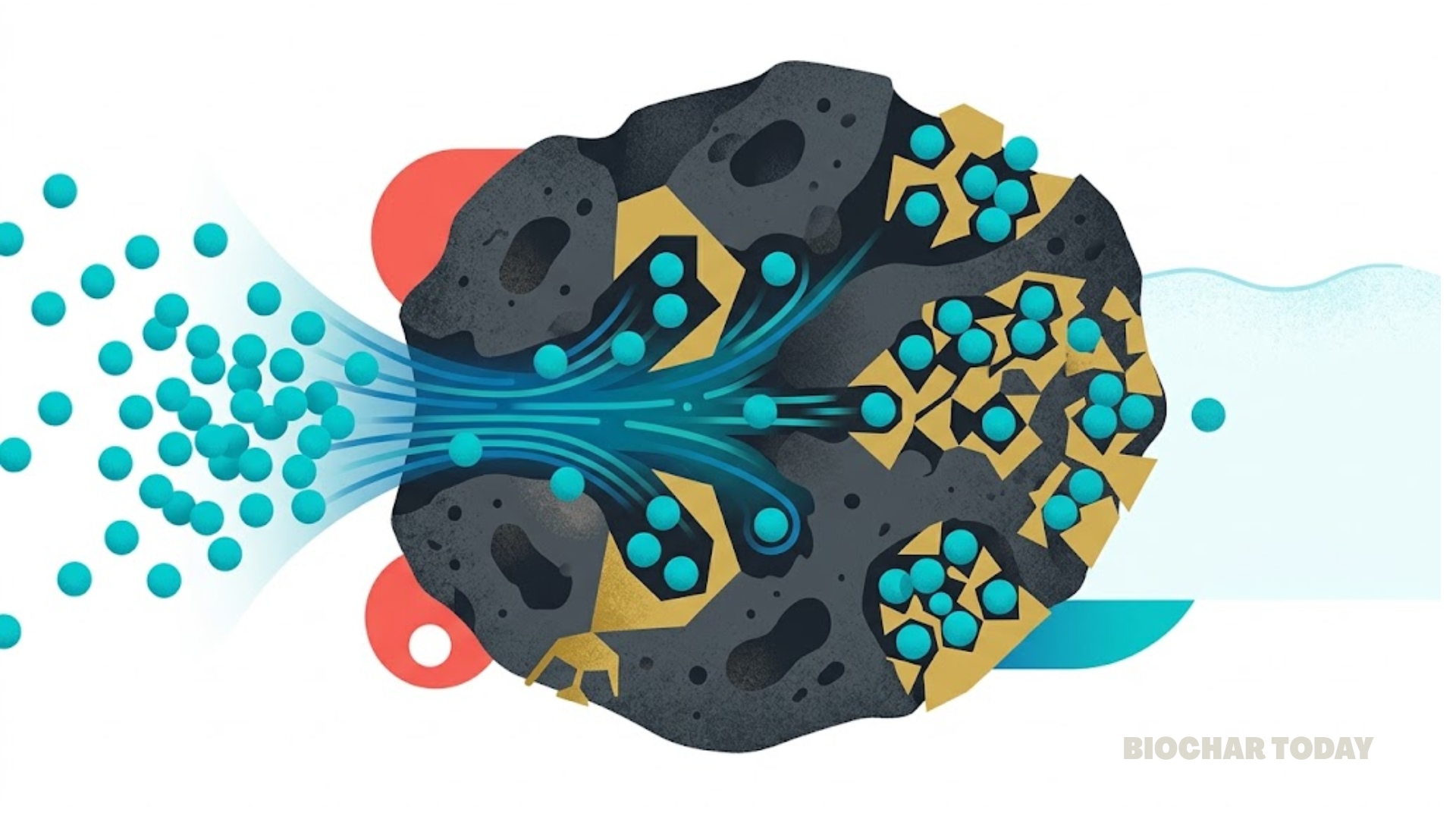
The authors note that biochar, produced from the thermal decomposition of biomassBiomass is a complex biological organic or non-organic solid product derived from living or recently living organism and available naturally. Various types of wastes such as animal manure, waste paper, sludge and many industrial wastes are also treated as biomass because like natural biomass these More in low-oxygen conditions, is a promising material for fuel cell applications. It can serve as a support for catalysts like platinum, potentially enhancing their stability and performance.
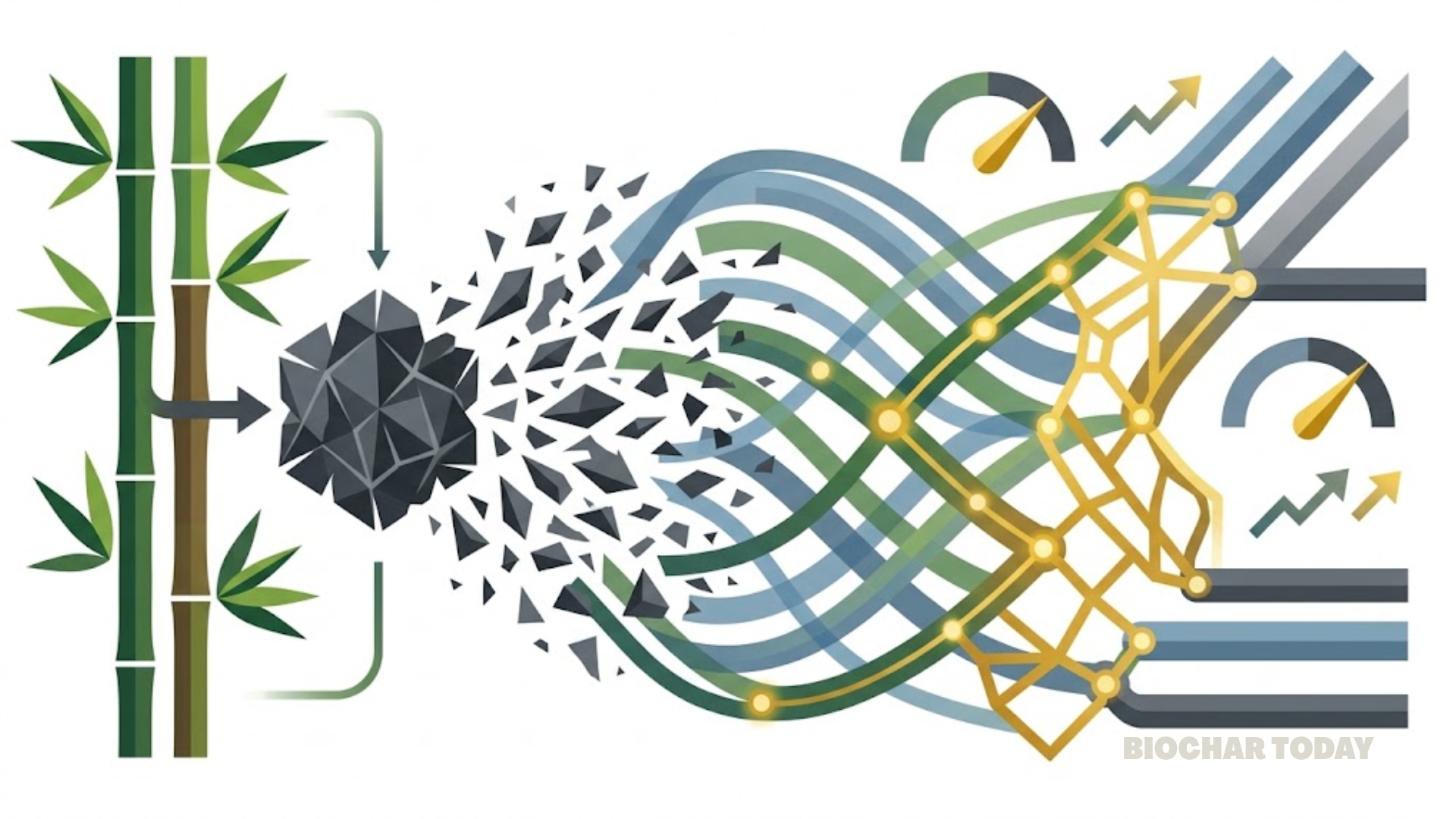
The review also addresses the environmental challenges posed by invasive alien plant species, particularly in South Africa, where species like Eucalyptus, Pinus, and Acacia disrupt local ecosystems and deplete water resources. Utilizing these plants to produce biochar presents a dual benefit: addressing the ecological threat they pose and providing a renewable energy source.
The study explore the thermochemical production of biochar, focusing on pyrolysisPyrolysis is a thermochemical process that converts waste biomass into bio-char, bio-oil, and pyro-gas. It offers significant advantages in waste valorization, turning low-value materials into economically valuable resources. Its versatility allows for tailored products based on operational conditions, presenting itself as a cost-effective and efficient More, a process that involves heating biomass in the absence of oxygen. The resulting biochar can be used in various energy applications, including fuel cells, offering a sustainable alternative to fossil fuels. The authors conclude that biochar derived from alien vegetation shows promise as a support material for fuel cell electrocatalysts. This approach supports the development of sustainable energy solutions while contributing to the management of invasive species.
Source: Sobekwa, A. G., Mojapelo, N. A., Visser, E. D., Seroka, N. S., & Khotseng, L. (2025). Green Synthesis and Application of Biochar Derived from Alien Vegetation Wood for Proton Exchange Membrane Fuel Cells. ChemistryOpen, 00, e202500025.


Leave a Reply