

Borhany , in a study published in JMIRx Med, investigated the potential of converting organic municipal solid waste (OMSW) into valuable bioproducts like volatile fatty acids (VFAs) and biogas. The research focused on enhancing the efficiency and profitability of this process through operational interventions and assessing its technical and economic feasibility. The study involved an anaerobic digester in Treviso, northern Italy, and compared a novel line consisting of pretreatment, acidogenic fermentation, and anaerobic digestion with the traditional single-step anaerobic digestion.
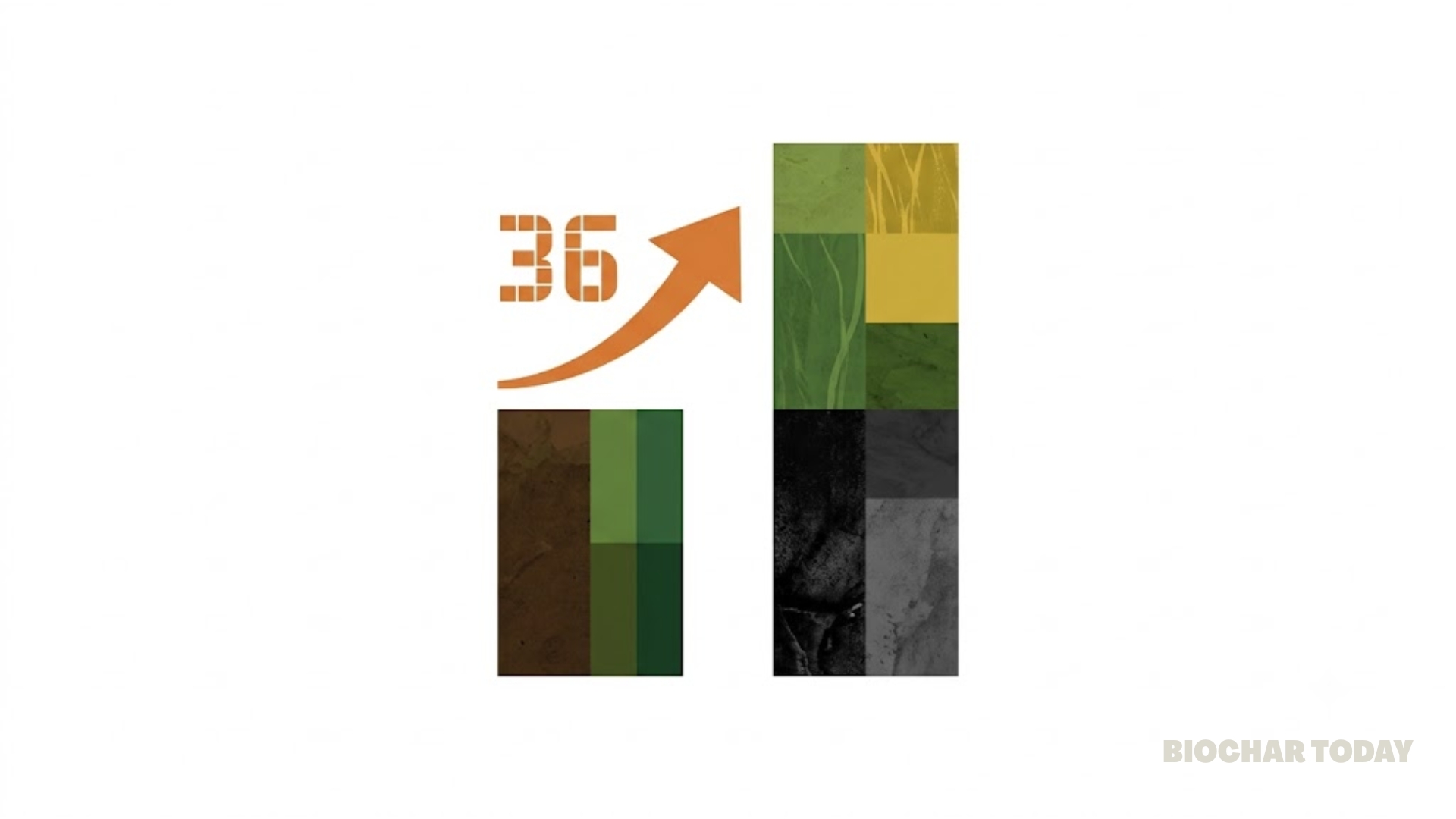
The research investigated the influence of various factors, including hydraulic retention time (HRT), pretreatment, biocharBiochar is a carbon-rich material created from biomass decomposition in low-oxygen conditions. It has important applications in environmental remediation, soil improvement, agriculture, carbon sequestration, energy storage, and sustainable materials, promoting efficiency and reducing waste in various contexts while addressing climate change challenges. More addition, and feedstockFeedstock refers to the raw organic material used to produce biochar. This can include a wide range of materials, such as wood chips, agricultural residues, and animal manure. More/inoculum (FS/IN) ratio, on the production of bioproducts and operational parameters. In this research, 83% of the fermented volatile solids were converted into biogas, resulting in a specific methane (CH4) production of 0.133 CH4-Nm3/kg-volatile solids. While biochar addition improved only the maximum methane content by 20%, the FS/IN ratio of 0.3 volatile solid basis with thermal plus fermentative pretreatment improved the hydrolysis rate substantially. The biochar dosage of 0.12 g-biochar/g-volatile solids with an HRT of 20 days was identified as a feasible solution. The payback period for the novel line was estimated to be almost 2 years with surplus energy of 2251 megajoules per day, compared to 45 years and 21,567 MJ per day for single-step anaerobic digestion.
This research highlights the advantage of the refined novel line over single-step anaerobic digestion and confirms its financial and technical feasibility. Changing the HRT and other amendments significantly increased the VFA concentration and improved process kinetics and stability.
SOURCE: Borhany, H. (2025). Converting Organic Municipal Solid Waste Into Volatile Fatty Acids and Biogas: Experimental Pilot and Batch Studies With Statistical Analysis. JMIRx Med, 6, e50458. https://doi.org/10.2196/50458



Leave a Reply