

Recent study published in Cleaner Chemical Engineering by Gotore Obey and colleagues explores an innovative approach to managing animal waste: harnessing the synergistic power of biocharBiochar is a carbon-rich material created from biomass decomposition in low-oxygen conditions. It has important applications in environmental remediation, soil improvement, agriculture, carbon sequestration, energy storage, and sustainable materials, promoting efficiency and reducing waste in various contexts while addressing climate change challenges. More in anaerobic digestion. This research highlights a promising pathway for not only controlling pollution from animal farming but also generating valuable bioenergy in the process. The findings suggest a significant step forward in creating more sustainable and integrated waste management systems for the agricultural sector.
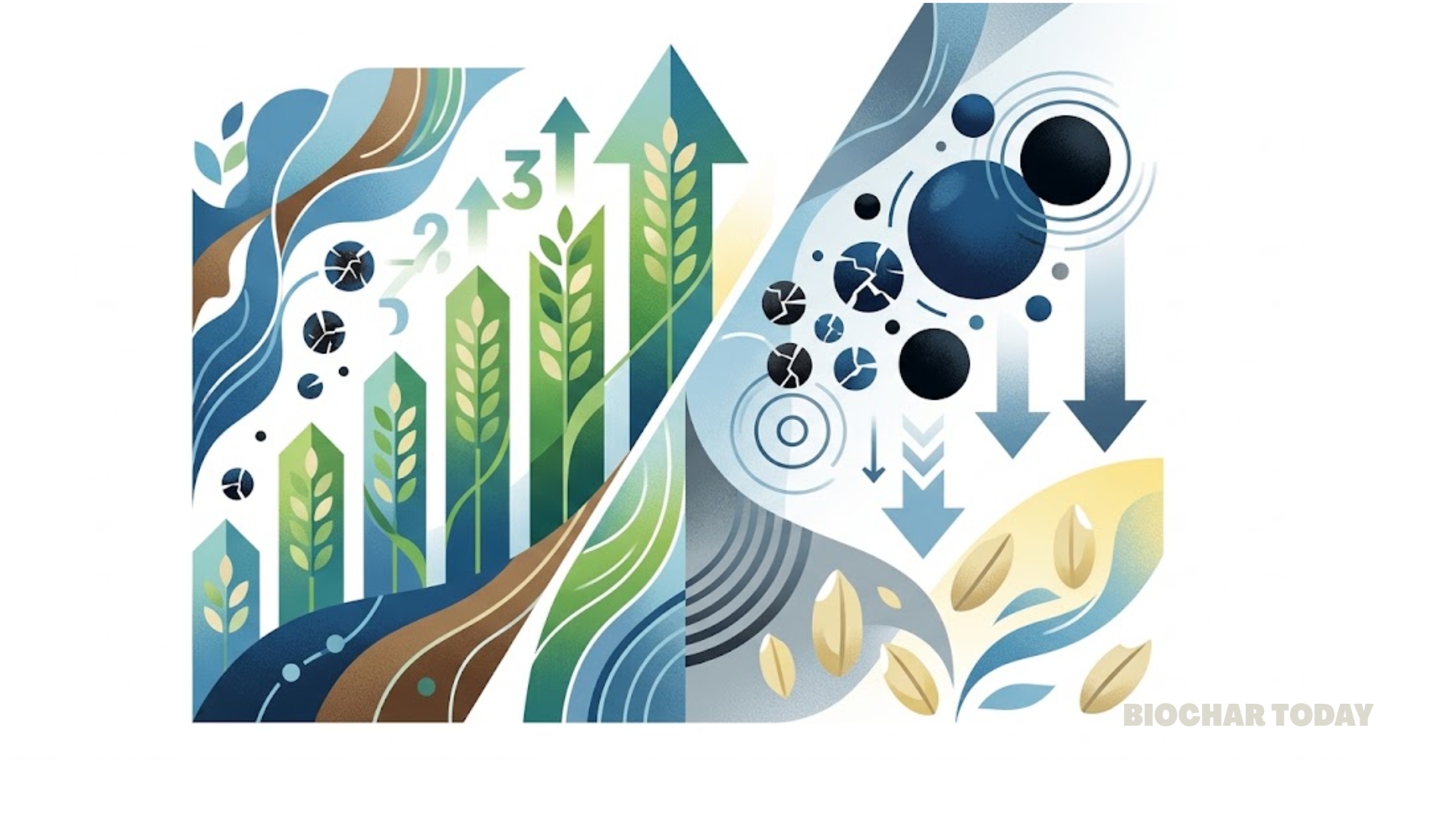
The research delves into how incorporating biochar, a carbon-rich material produced from biomassBiomass is a complex biological organic or non-organic solid product derived from living or recently living organism and available naturally. Various types of wastes such as animal manure, waste paper, sludge and many industrial wastes are also treated as biomass because like natural biomass these More, can significantly enhance the anaerobic digestion of animal wastes. The study reveals that the addition of biochar creates a more favorable environment for these microorganisms, leading to a substantial increase in biogas production compared to traditional anaerobic digestion methods. Furthermore, the biochar aids in a more efficient breakdown of the animal waste, reducing the overall pollutant load.
The benefits of biochar extend beyond simply providing a surface for microbial attachment. The study emphasizes the complex interplay between biochar’s physicochemical properties and the biological processes within the digester. The porous structure of biochar increases the surface area available for microbial colonization, fostering a more robust and active microbial community. Moreover, the presence of oxygen-containing functional groups on the biochar surface enhances electron transfer processes, crucial for the metabolic activities of the microorganisms involved in breaking down the waste. This intricate interaction leads to improved digestion efficiency and higher biogas yields.
Interestingly, the research also explores how different carbonization conditions during biochar production can influence its effectiveness in anaerobic digestion.
The research underscores the potential of this integrated perspective to contribute to a more circular economy within the agricultural sector, where waste is transformed into a valuable resource. Careful management and consideration of environmental impacts will be crucial for the successful implementation and long-term sustainability of these systems.
SOURCE : Obey, G., Nguyen, T. T., Masere, T. P., Albert, S., Albert, G., Sittisom, P., Heritier, M. A., & Itayama, T. (2025). Biochar-synergy in anaerobic digestion of animal wastes for total pollution control and bioenergy production: A sustainable integrated perspective. Cleaner Chemical Engineering, 0(0), 100177


Leave a Reply