
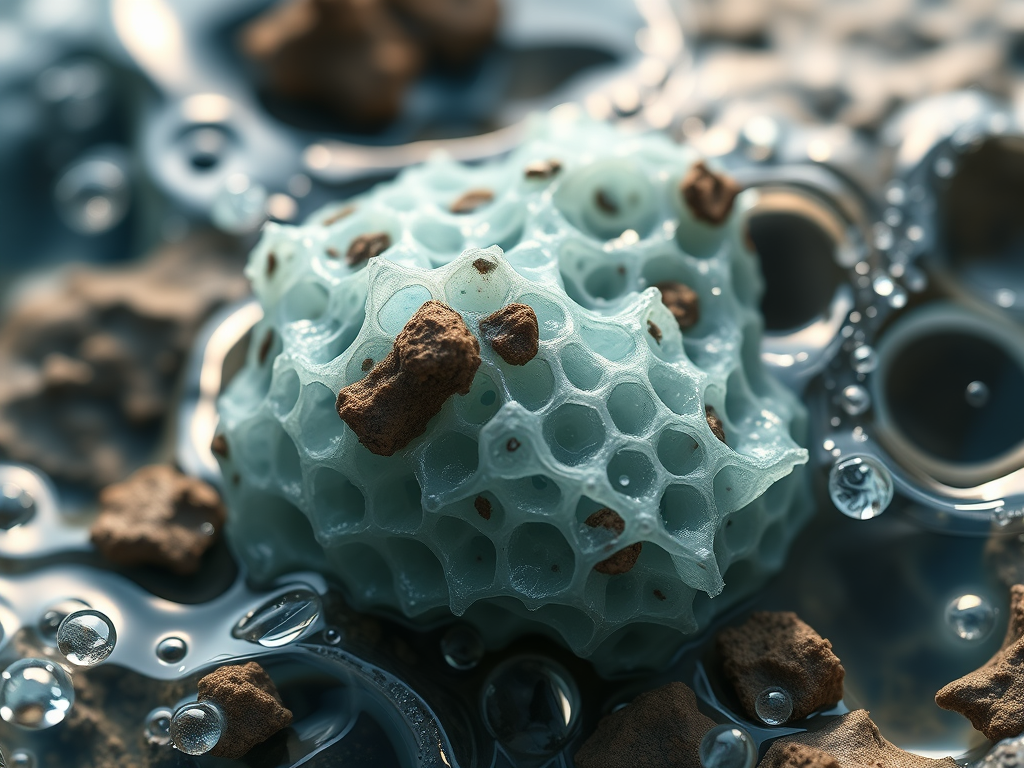
In a recent review published in Processes, Zhao et al. provide a comprehensive overview of biochar-based hydrogel composites (BCGs) and their applications in aquatic environmental remediation. The authors highlight the preparation methods, environmental applications, and adsorption mechanisms of BCGs, emphasizing their potential as a sustainable and effective solution for water pollution control.
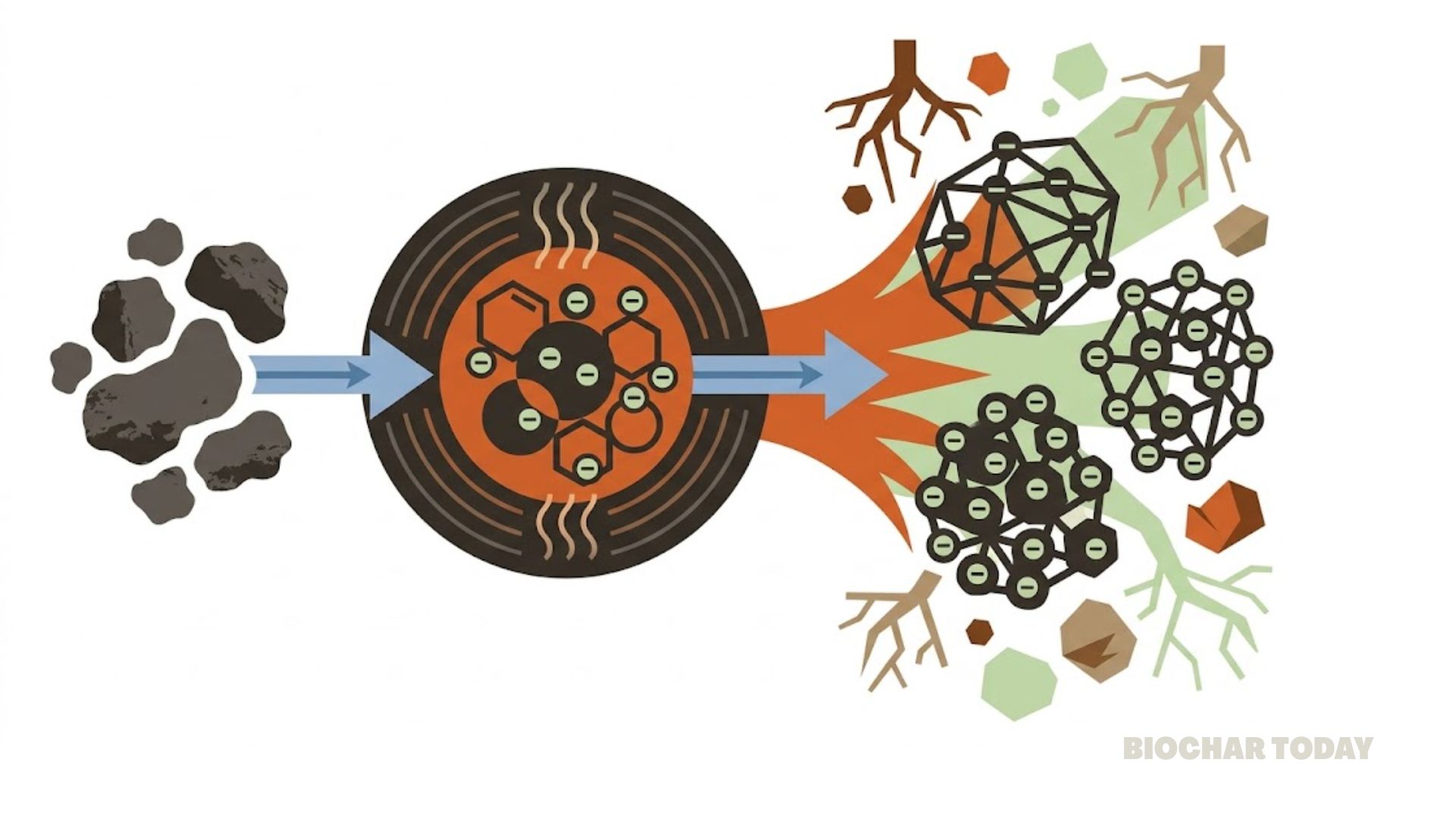
BCGs are a class of composite materials that combine the high specific surface area and porous structure of biocharBiochar is a carbon-rich material created from biomass decomposition in low-oxygen conditions. It has important applications in environmental remediation, soil improvement, agriculture, carbon sequestration, energy storage, and sustainable materials, promoting efficiency and reducing waste in various contexts while addressing climate change challenges. More with the three-dimensional network of hydrogels. This unique combination results in superior adsorption capacities, ease of recyclability, and enhanced stability compared to pristine biochar.
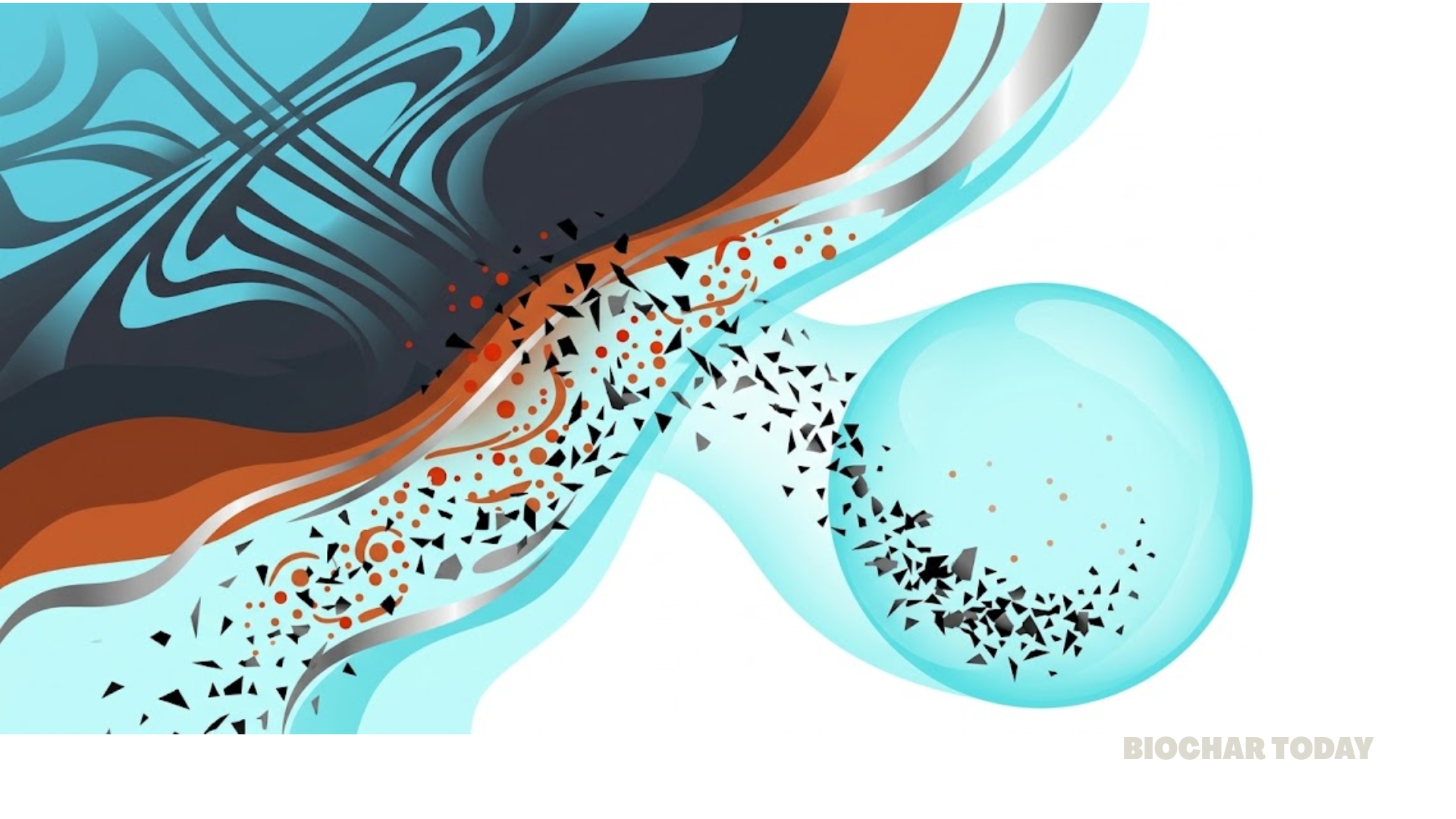
The review also summarizes the environmental applications of BCGs, focusing on their efficacy in removing organic contaminants, heavy metals, and nutrients from water bodies. The authors discuss the adsorption mechanisms involved in the removal of each type of contaminant, highlighting the role of surface functional groups, pore structure, and electrostatic interactions.
This review provides a valuable resource for researchers and practitioners interested in the development and application of BCGs for water treatment. The authors’ insights into the preparation methods, environmental applications, and adsorption mechanisms of BCGs contribute to the growing body of knowledge in this field. Further research and development of BCGs hold significant promise for advancing sustainable water pollution control strategies.
Source: Zhao, Y., Wang, C., Han, Q., Fang, Z., Gao, Y., Chen, H., Li, J., Yang, X., Chen, J., & Wang, H. (2025). Recent advances in biochar-based hydrogel composites: Preparation, aquatic environmental applications, and adsorption mechanisms. Processes, 13(3), 664. https://doi.org/10.3390/pr13030664

Leave a Reply