
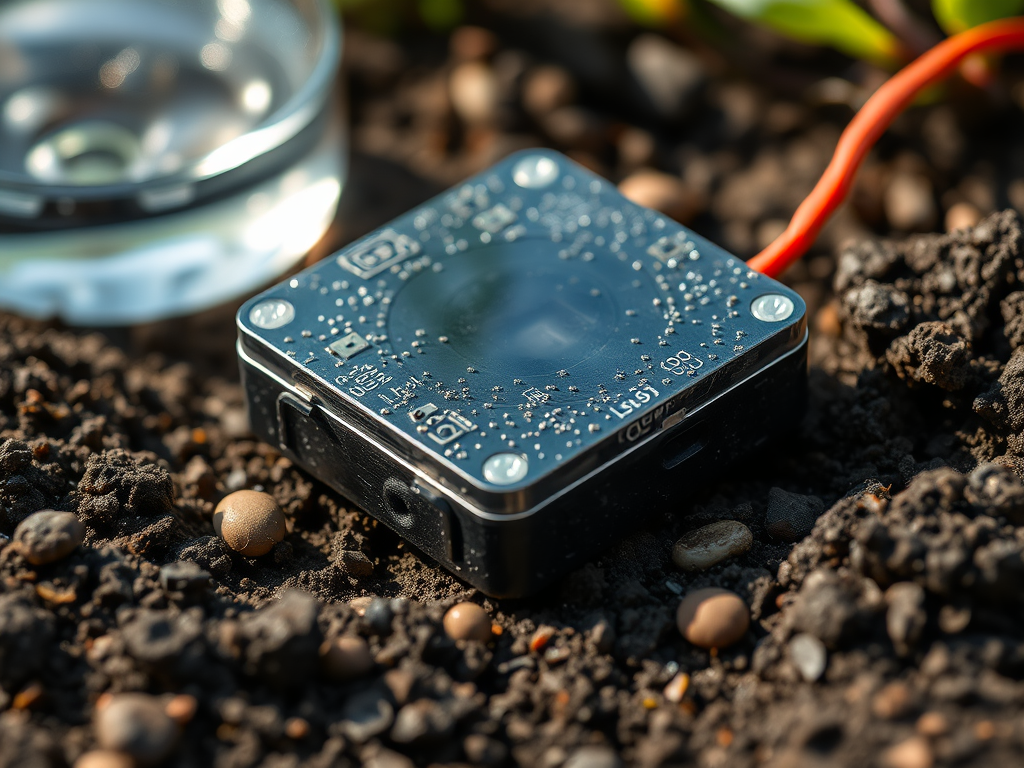
Zheng et al., in Analytical Sciences, reviewed the recent advancements in the development of biocharBiochar is a carbon-rich material created from biomass decomposition in low-oxygen conditions. It has important applications in environmental remediation, soil improvement, agriculture, carbon sequestration, energy storage, and sustainable materials, promoting efficiency and reducing waste in various contexts while addressing climate change challenges. More (BC)-based sensors for the electrochemical determination of various environmental pollutants. BC-based electrochemical sensors have emerged as a promising alternative due to their sustainability, cost-effectiveness, and excellent electrochemical properties. The unique physicochemical properties of BC, including its high surface area, porosityPorosity of biochar is a key factor in its effectiveness as a soil amendment and its ability to retain water and nutrients. Biochar’s porosity is influenced by feedstock type and pyrolysis temperature, and it plays a crucial role in microbial activity and overall soil health. Biochar More, and functional groups, contribute to its effectiveness as a sensor material.
The review discussed the synthesis methods for BC, highlighting the activation strategies and their impact on the structural and electrochemical properties of BC. The functionalization of BC and its integration into electrochemical sensor platforms were also explored. The performance of BC-based sensors was evaluated, focusing on their sensitivity, selectivity, detection limits, and stability. Future directions for research were proposed, emphasizing the need for further optimization, miniaturization, and integration of BC-based sensors into portable and on-site analytical devices.
The review highlighted the potential of BC-based sensors for environmental monitoring. The authors concluded that BC-based sensors offer a promising approach for the detection of various environmental pollutants, and further research in this area could lead to the development of more sensitive, selective, and stable sensors for environmental monitoring applications.
SOURCE: Zheng, A. L. T., Lih, E. T. Y., Hung, Y. P., Boonyuen, S., Al Edrus, S. S. O., Chung, E. L. T., & Andou, Y. (2025). Biochar-based electrochemical sensors: A tailored approach to environmental monitoring. Analytical Sciences. https://doi.org/10.1007/s44211-025-00726-8





Leave a Reply