
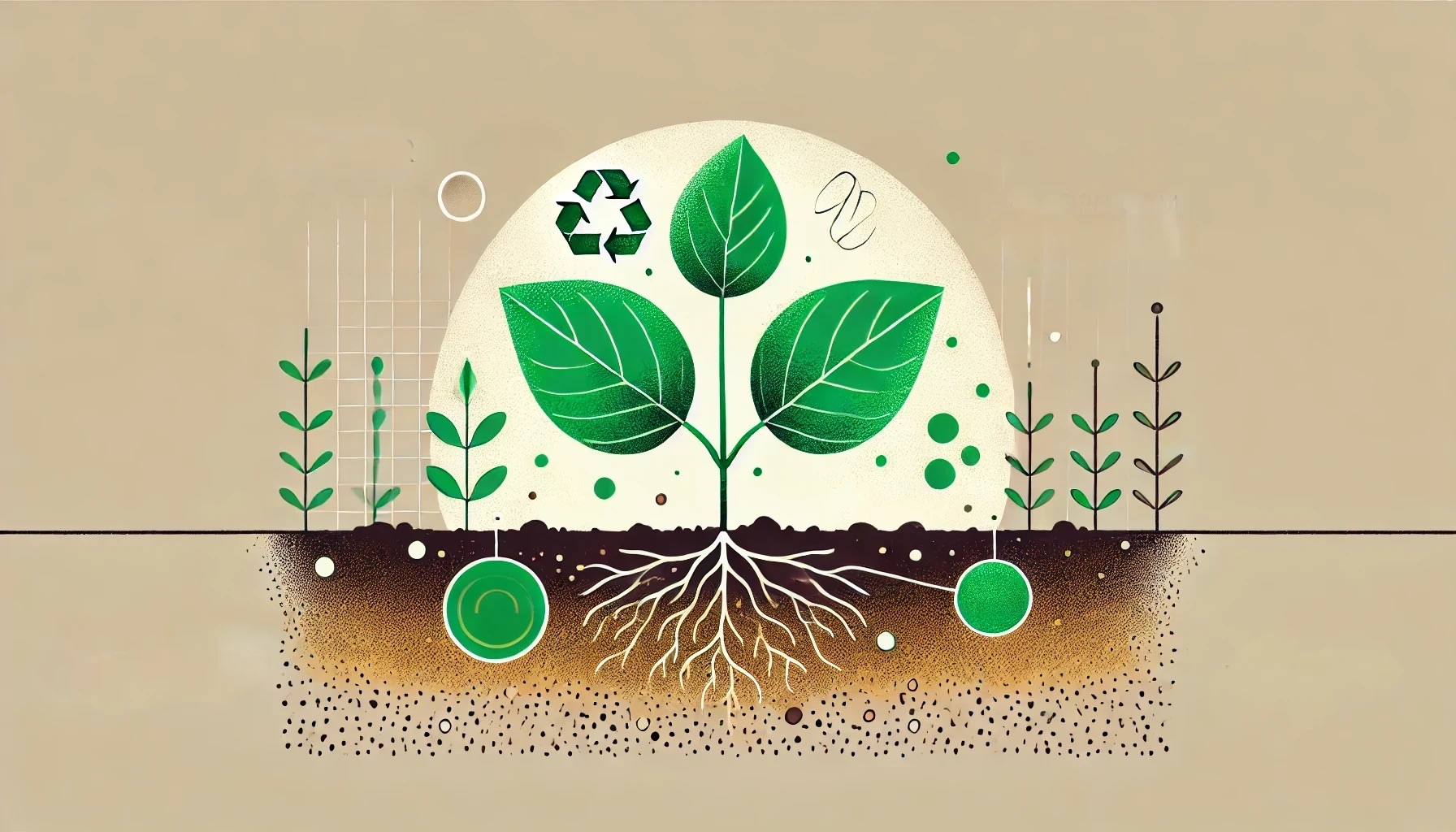
The study examines the integration of biocharBiochar is a carbon-rich material created from biomass decomposition in low-oxygen conditions. It has important applications in environmental remediation, soil improvement, agriculture, carbon sequestration, energy storage, and sustainable materials, promoting efficiency and reducing waste in various contexts while addressing climate change challenges. More (BC) and the cadmium-resistant rhizobacterium Leclercia adecarboxylata HW04 in mitigating cadmium (Cd) toxicity in soybean (Glycine max L.) plants. With rising concerns about heavy metal contamination in agriculture, the research offers a sustainable approach to improve phytoremediationThis is a technique that uses plants to clean up contaminated soil or water. Biochar can enhance phytoremediation by improving soil conditions and promoting plant growth, allowing plants to absorb and break down pollutants more effectively. More and stress tolerance in crops.
Biochar’s porous structure serves as a habitat for HW04, enhancing its survival and effectiveness in cadmium detoxification. HW04 alone demonstrated a 40% reduction in Cd concentration in controlled environments, facilitated by its production of beneficial compounds such as exopolysaccharides and amino acids. Combined with biochar, the bacterium not only improved microbial activity but also boosted plant growth and photosynthetic efficiency under cadmium stress.
Soybean seedlings treated with HW04 and biochar exhibited significant improvements in growth parameters like shoot length, root weight, and chlorophyll content. Cadmium translocation was altered: while Cd content in the soil and roots decreased, accumulation in the shoots increased. This shift is critical for cadmium removal from contaminated soils while minimizing root toxicity. Furthermore, the co-application enhanced essential nutrient uptake, particularly calcium and magnesium, which play roles in stress signaling and cellular stability.
On a molecular level, HW04 and biochar triggered the upregulation of genes linked to calcium and MAPK signaling pathways, key to stress tolerance. The treatments also balanced the levels of stress-related phytohormones: abscisic acid (ABA) and salicylic acid (SA). Increased ABA and reduced SA levels correlated with better stress management, reducing oxidative damage and enhancing resilience.
Despite its promise, this approach has limitations. The increased cadmium in shoots could pose food safety concerns if soybeans are consumed. However, as a nitrogen-fixing legume, soybeans offer the added benefit of reducing synthetic fertilizer use, making them suitable for targeted phytoremediation in non-edible applications.
This research highlights the potential of biochar and PGPR combinations as eco-friendly tools for agricultural sustainability. Further studies are needed to evaluate their effectiveness under diverse environmental conditions and to optimize their practical applications.
SOURCE: Woo, et al (2025) Integrated role of biochar and PGPR (Leclercia adecarboxylataHW04) in enhancing cadmium phytoremediation and stress tolerance in Glycine max L. Plant Physiology and Biochemistry. https://doi.org/10.1016/j.plaphy.2025.109489



Leave a Reply