

Key Takeaways
- Using a mixture of biocharBiochar is a carbon-rich material created from biomass decomposition in low-oxygen conditions. It has important applications in environmental remediation, soil improvement, agriculture, carbon sequestration, energy storage, and sustainable materials, promoting efficiency and reducing waste in various contexts while addressing climate change challenges. More and compost offers a powerful, natural way to clean up soils poisoned by industrial chemicals.
- This eco-friendly method can trap more than sixty percent of dangerous metals like lead and copper, preventing them from entering our food.
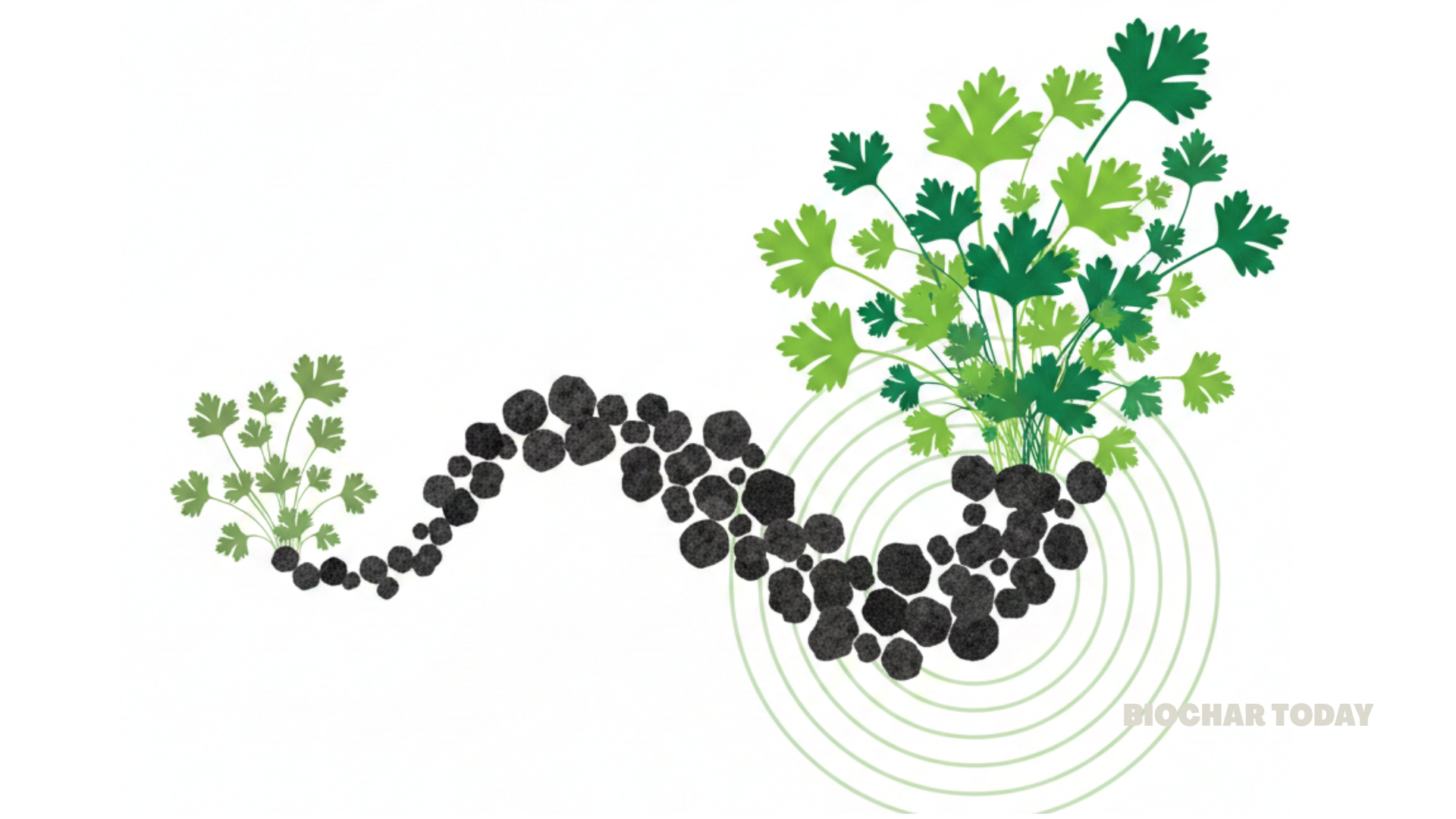
- Plants like spinach grow much better and healthier when these natural cleaners are added to polluted ground.
- The combination of these two materials works better than using either one alone because they help the soil hold onto water and nutrients while locking away toxins.
- This approach turns common waste products, such as rice husks and fallen leaves, into a valuable tool for protecting human health and the environment.
In a study featured in the Pakistan Journal of Science, researcher S. Ashraf investigates a sustainable method to combat heavy metal pollution in the Sheikhupura industrial region of Pakistan. The research highlights how developing nations are particularly vulnerable to soil contamination from industrial activities, which can lead to serious health risks like cancer. By focusing on the industrial zone’s topsoil, the study evaluates the effectiveness of using co-pyrolyzed biochar—made from rice husks and bagasse—paired with leaf compost to lock away toxic metals. This strategy aims to provide a cost-effective remediation technique that not only cleans the soil but also supports the growth of essential crops like spinach in otherwise hostile environments.
The investigation revealed that soil near industrial sites contained levels of copper, lead, chromium, cadmium, and zinc far exceeding the safety limits set by the World Health Organization. To address this, the study produced a stable, alkaline biochar through slow pyrolysisPyrolysis is a thermochemical process that converts waste biomass into bio-char, bio-oil, and pyro-gas. It offers significant advantages in waste valorization, turning low-value materials into economically valuable resources. Its versatility allows for tailored products based on operational conditions, presenting itself as a cost-effective and efficient More at four hundred and fifty degrees Celsius. Analysis showed that this biochar possesses a high fixed carbon content and a variety of functional groups on its surface, which are essential for its ability to bind with metal ions. When applied at a four percent concentration alongside twenty percent leaf compost, the mixture achieved remarkable results. Lead immobilization reached nearly sixty-nine percent in some samples, while copper and zinc levels were reduced by over sixty percent.
The results of the plant growth trials were equally significant, showing that the combined treatment drastically improved the physical health of spinach grown in contaminated soil. In the most effective treatment, spinach plants developed much longer roots and shoots compared to those grown in untreated soil. For instance, root lengths more than doubled in some industrial soil samples when the full biochar and compost mixture was applied. This suggests that the amendments work together to create a safer environment for roots to explore, likely by reducing the immediate toxic stress and improving the overall soil structure.
A key finding of the research is the synergy between biochar and compost in enhancing plant biomassBiomass is a complex biological organic or non-organic solid product derived from living or recently living organism and available naturally. Various types of wastes such as animal manure, waste paper, sludge and many industrial wastes are also treated as biomass because like natural biomass these More. The study observed that the weight of both the roots and shoots of the spinach plants increased significantly under the best treatment conditions. This is attributed to several factors: the biochar traps the inorganic metal ions, while the compost provides vital nutrients and encourages the growth of helpful soil microbes. Together, they balance the soil’s acidity and increase its capacity to hold onto nutrients, which directy helps plants thrive despite the presence of pollutants.
Furthermore, the study confirmed that the removal efficiency of these toxins is dose-dependent, meaning that higher concentrations of biochar generally provide better protection for the plants. The four percent biochar application consistently outperformed the lower two percent dose in reducing metal uptake by the spinach. This highlights the importance of using the right amount of material to achieve effective cleaning of industrial land. By sequestering these metals in a stable form within the soil, this method prevents them from leachingLeaching is the process where nutrients are dissolved and carried away from the soil by water. This can lead to nutrient depletion and environmental pollution. Biochar can help reduce leaching by improving nutrient retention in the soil. More into groundwater or being absorbed into the leaves that humans eventually eat.
Ultimately, this research concludes that using co-pyrolyzed agricultural waste is a viable and eco-friendly way to restore polluted industrial areas. It offers a practical path for countries like Pakistan to manage industrial waste while safely producing food on formerly contaminated land. By turning low-value waste into a high-performance soil restorer, this approach supports both environmental health and economic sustainability.
Source: Ashraf, S. (2025). Eco-friendly mitigation of soil heavy metal pollution in Sheikhupura industrial region. Pakistan Journal of Science, 77(3), 411-424.

Leave a Reply