
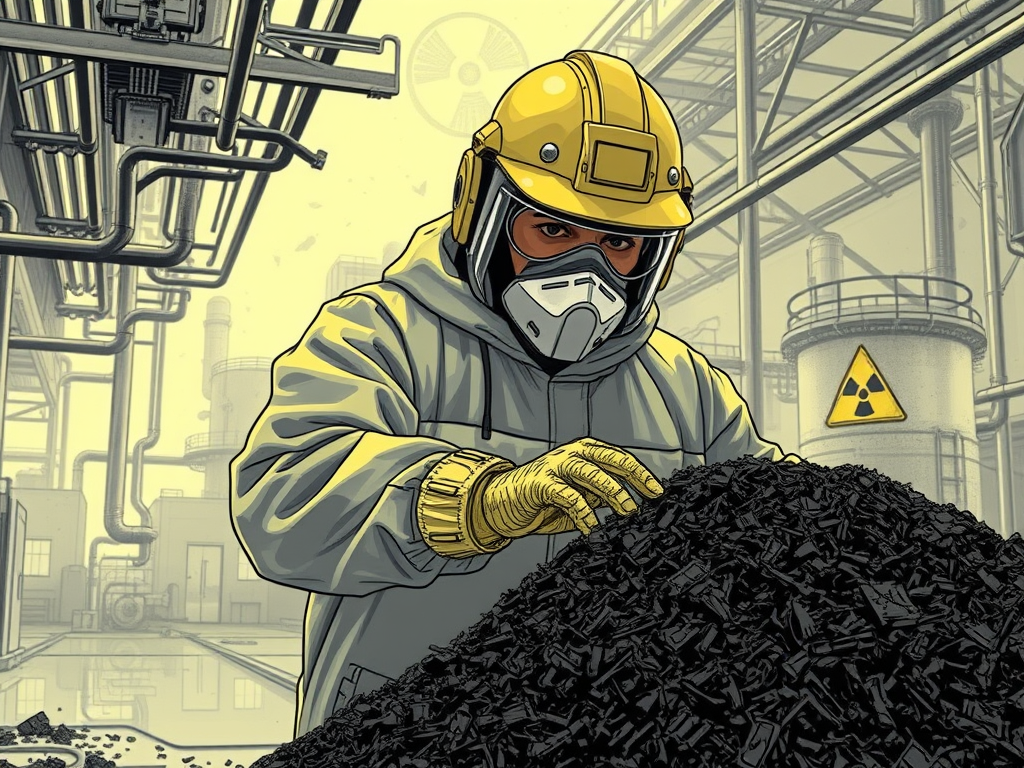
A recent review published in BiocharBiochar is a carbon-rich material created from biomass decomposition in low-oxygen conditions. It has important applications in environmental remediation, soil improvement, agriculture, carbon sequestration, energy storage, and sustainable materials, promoting efficiency and reducing waste in various contexts while addressing climate change challenges. More, by Kordrostami and Ghasemi-Soloklui explores the innovative applications of biochar, a carbon-rich material derived from biomassBiomass is a complex biological organic or non-organic solid product derived from living or recently living organism and available naturally. Various types of wastes such as animal manure, waste paper, sludge and many industrial wastes are also treated as biomass because like natural biomass these More, in nuclear science and technology. The review emphasizes biochar’s potential for environmental sustainability, particularly in nuclear waste management, radiation shielding, and enhancing energy efficiency in nuclear applications.
Biochar’s unique properties, including high surface area, porosityPorosity of biochar is a key factor in its effectiveness as a soil amendment and its ability to retain water and nutrients. Biochar’s porosity is influenced by feedstock type and pyrolysis temperature, and it plays a crucial role in microbial activity and overall soil health. Biochar More, and functional groups, make it a promising tool for radiation cleanup and improving energy economy within the nuclear industry. The authors highlight biochar’s effectiveness in adsorbing and immobilizing radionuclides, offering a viable alternative to traditional nuclear waste management approaches.
Furthermore, the review discusses the potential of biochar as a radiation shielding material due to its carbonaceous nature, which can provide strong yet lightweight protective barriers. The advanced manufacturing processes for producing nuclear-grade biochar, tailored for specific applications, are also addressed.
The economic and environmental benefits of biochar in the nuclear sector are discussed, including its affordability, potential for carbon sequestration, and reduction of ecological footprints. The review concludes by acknowledging the challenges and future directions for biochar research and application in the pursuit of sustainable nuclear technology.
Source: Kordrostami, M., & Ghasemi-Soloklui, A. A. (2025). Innovative applications of biochar in nuclear remediation and catalysis. Biochar, 7(1), 74.


Leave a Reply