

Majewska and Hanaka recently published a comprehensive review in Agronomy exploring the diverse applications of biocharBiochar is a carbon-rich material created from biomass decomposition in low-oxygen conditions. It has important applications in environmental remediation, soil improvement, agriculture, carbon sequestration, energy storage, and sustainable materials, promoting efficiency and reducing waste in various contexts while addressing climate change challenges. More in soil bioremediation. Biochar, a charcoal-like material, is produced through the thermochemical conversion of various biomassBiomass is a complex biological organic or non-organic solid product derived from living or recently living organism and available naturally. Various types of wastes such as animal manure, waste paper, sludge and many industrial wastes are also treated as biomass because like natural biomass these More sources, including agricultural waste, forest residues, and sewage sludge. Its high porosityPorosity of biochar is a key factor in its effectiveness as a soil amendment and its ability to retain water and nutrients. Biochar’s porosity is influenced by feedstock type and pyrolysis temperature, and it plays a crucial role in microbial activity and overall soil health. Biochar More, large surface area, and alkaline pHpH is a measure of how acidic or alkaline a substance is. A pH of 7 is neutral, while lower pH values indicate acidity and higher values indicate alkalinity. Biochars are normally alkaline and can influence soil pH, often increasing it, which can be beneficial More make it an excellent adsorbent for heavy metals and other pollutants, offering a promising solution for contaminated soils.
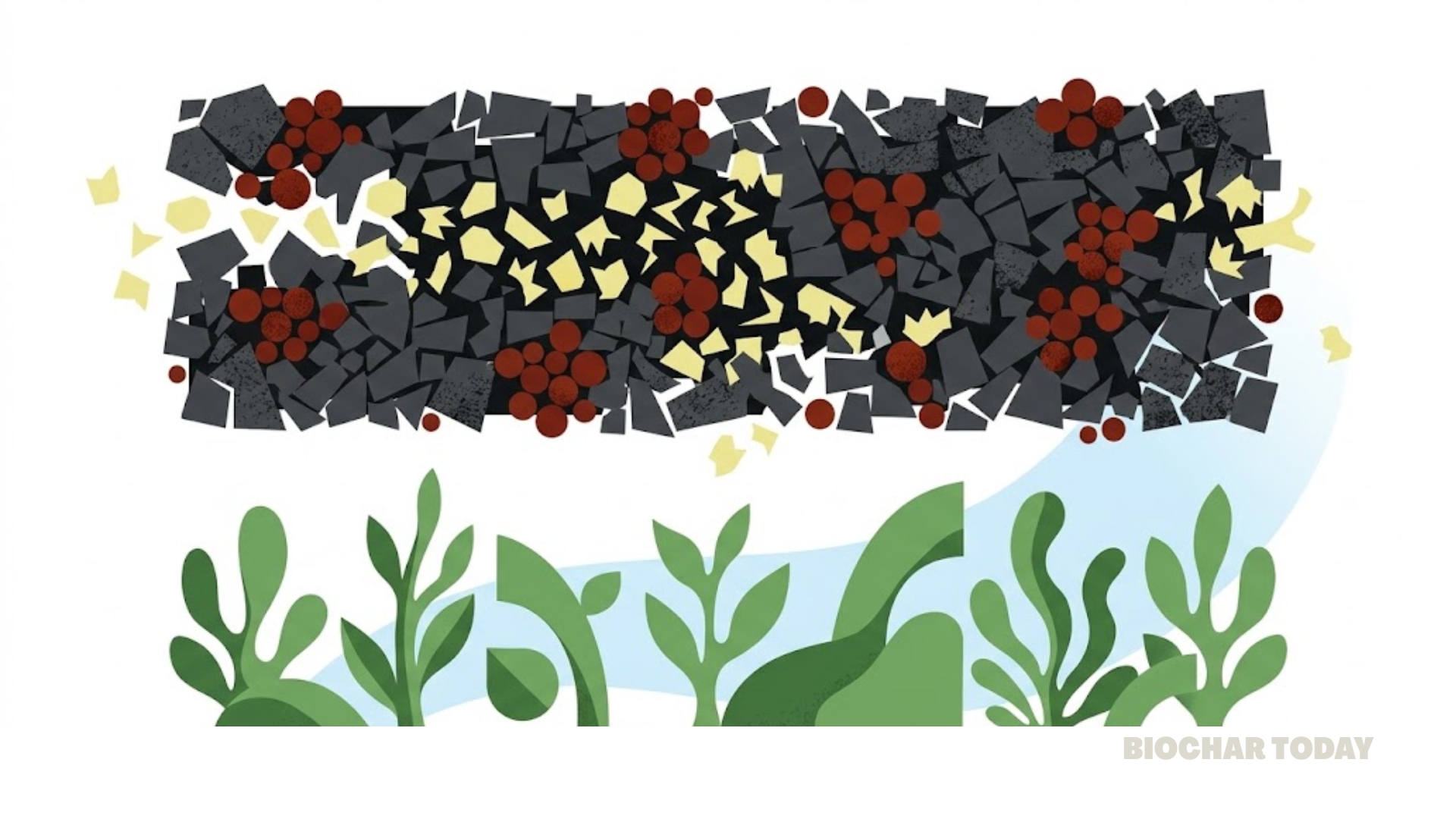
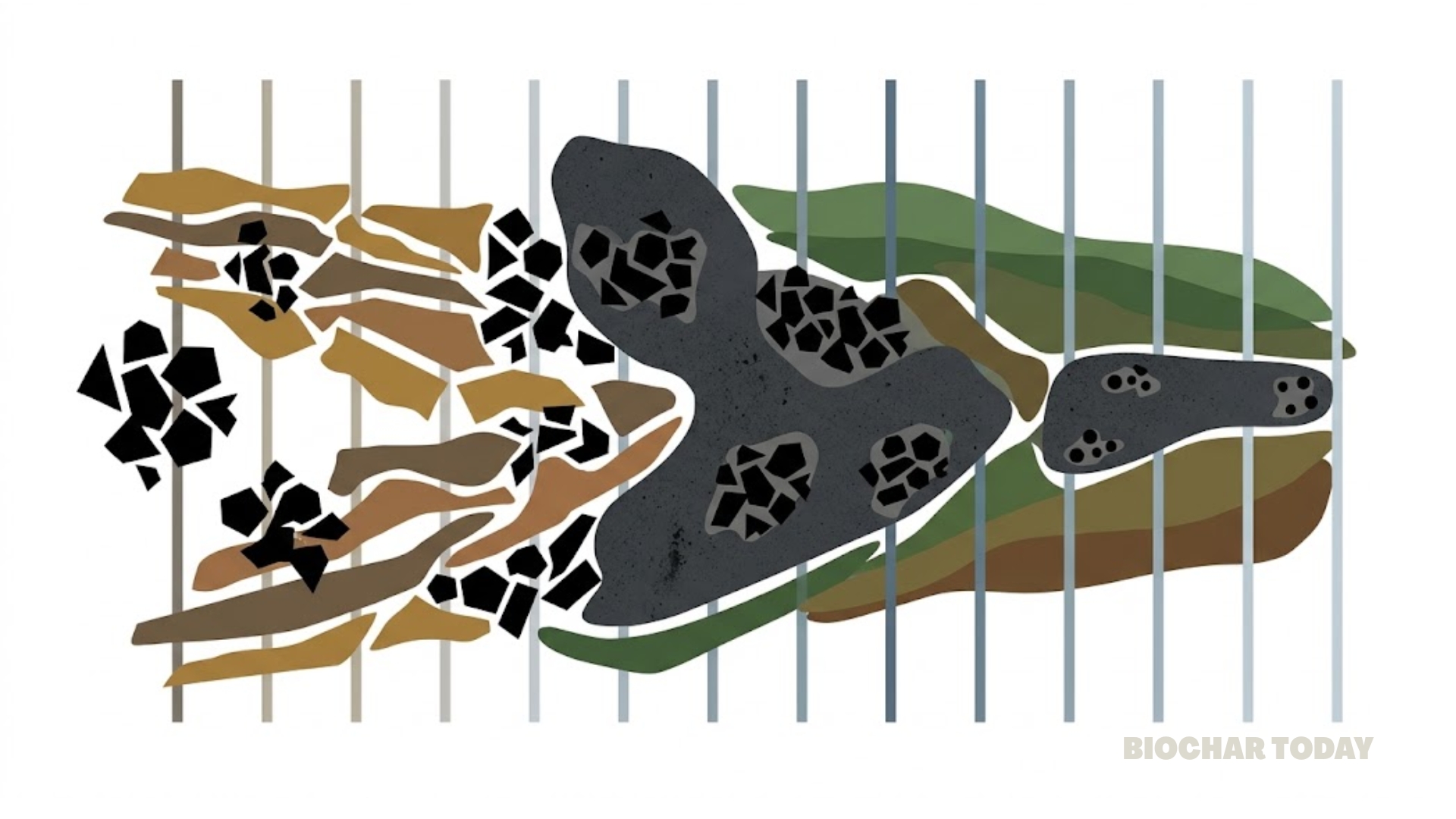
The review highlights several key benefits of biochar in soil bioremediation. First, it improves soil parameters by increasing pH, organic matter content, and cation exchange capacity, leading to enhanced nutrient retention and microbial activity. Second, biochar effectively binds heavy metals, reducing their mobility and bioavailability, thus minimizing plant uptake and potential harm to the food chain. Third, it fosters a healthy soil ecosystem by providing a habitat for beneficial microorganisms, promoting their growth and activity, and ultimately enhancing soil enzymatic activity. Lastly, biochar contributes to improved plant growth by creating favorable soil conditions, reducing stress levels, and supporting overall plant development.
However, the authors also acknowledge potential risks associated with biochar. For example, biochar produced from contaminated feedstocks may contain heavy metals, posing further environmental concerns. Additionally, the production and application of biochar can generate dust and greenhouse gas emissions.
Despite these potential drawbacks, the study conclude that biochar holds significant promise as a tool for soil bioremediation. They emphasize the importance of carefully selecting feedstocks and production methods to minimize risks and maximize the environmental benefits of biochar application.
SOURCE: Majewska, M., & Hanaka, A. (2025). Biochar in the bioremediation of metal-contaminated soils. Agronomy, 15(2), 273. https://doi.org/10.3390/agronomy15020273



Leave a Reply