
The Australian Government and Barwon Water have announced a combined investment of $20 million to facilitate the construction of a Regional Renewable Organics Network at the Black Rock Water Reclamation Plant in Victoria, Australia. This capital injection, which includes $10 million from the federal government’s Regional Australia Microgrids Program, is directed toward transitioning traditional wastewater management into a circular economy model. By integrating advanced thermal treatment technologies, the facility aims to convert organic waste and sewage sludge into renewable energy and high-value byproducts, aligning with regional decarbonization targets and sustainable resource recovery.
The primary challenge addressed by this initiative is the escalating volume of organic waste and sewage sludge that typically requires energy-intensive disposal methods or results in landfill accumulation. In Australia’s Surf Coast region, managing these waste streams poses significant financial and environmental burdens, particularly regarding greenhouse gas emissions. Traditional treatment processes often overlook the latent energy and mineral value stored within biosolids. Without intervention, these organic materials represent a wasted resource and a contributor to the carbon footprint of municipal water utilities, necessitating a shift toward more integrated, resource-efficient infrastructure.
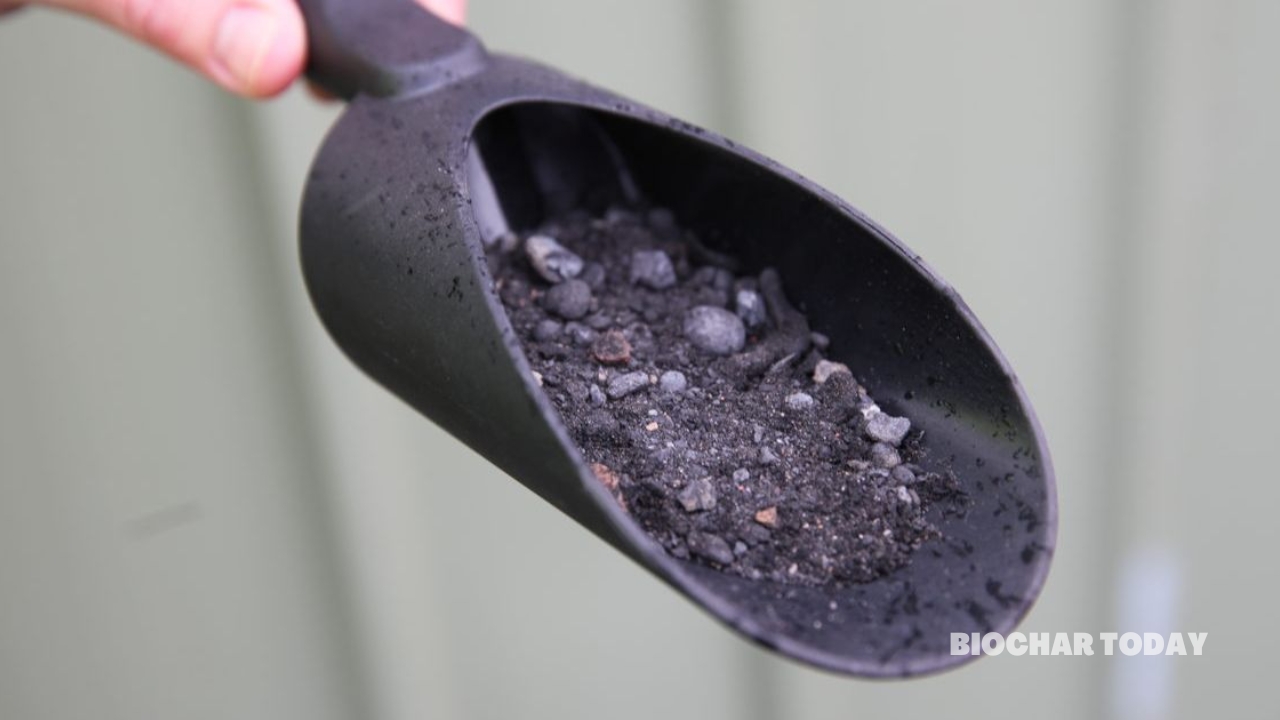
To resolve these logistical and environmental issues, Barwon Water is implementing a sophisticated “waste-to-energy” system centered on a high-temperature thermal process. The solution involves the utilization of a specialized facility to process organic waste from both municipal and industrial sources alongside sewage sludge. By subjecting these materials to thermal decomposition, the network will produce heat and renewable electricity to power the reclamation plant’s operations. Concurrently, the process generates biocharBiochar is a carbon-rich material created from biomass decomposition in low-oxygen conditions. It has important applications in environmental remediation, soil improvement, agriculture, carbon sequestration, energy storage, and sustainable materials, promoting efficiency and reducing waste in various contexts while addressing climate change challenges. More as a stable carbon byproduct, effectively sequestering carbon that would otherwise be released into the atmosphere while producing a material suitable for agricultural and industrial applications.
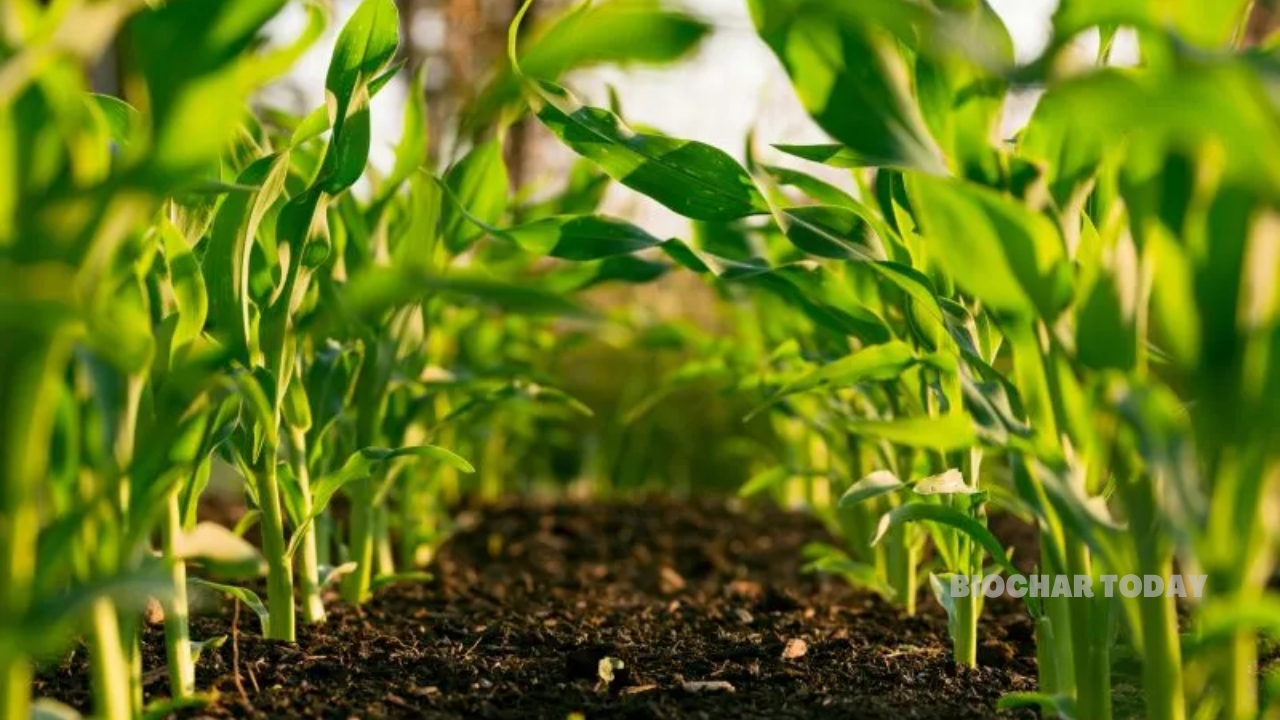
The anticipated outcomes of the project include a substantial reduction in operational costs and carbon emissions for Barwon Water. The facility is expected to halve the organization’s total carbon footprint while significantly lowering energy expenses by providing a reliable, site-generated power source. Furthermore, the production of biochar offers a sustainable alternative to chemical fertilizers, supporting local agricultural productivity and soil health. By diverting organic waste from landfills, the project establishes a scalable model for regional circular economies, demonstrating the economic viability of integrating biochar production into municipal wastewater infrastructure.



Leave a Reply