
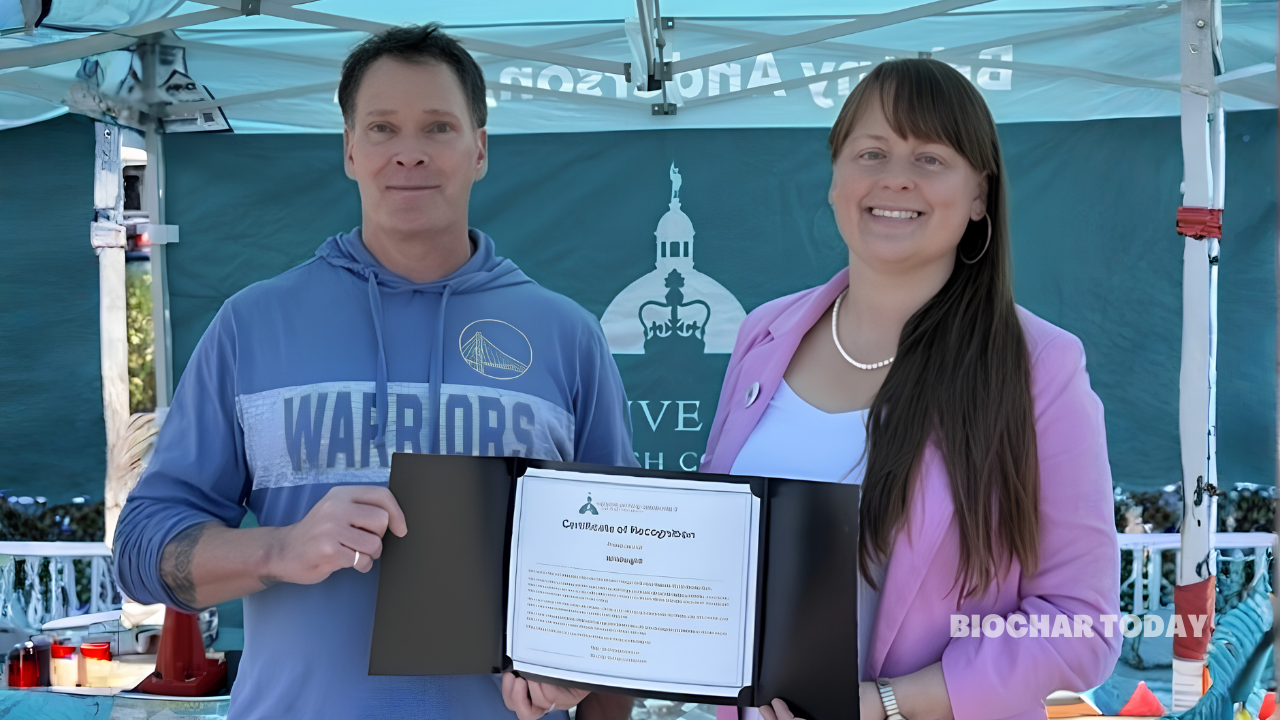
The provincial government of British Columbia, Canada, has announced a funding allocation of approximately $182,000 to the non-profit organization Wildsight to support its “Fire for Healthy Soils” project in Creston. Distributed through the Rural Economic Diversification and Infrastructure Program (REDIP), this investment finances a pilot project designed to convert forestry and wood waste into high-quality soil supplements. The collaborative initiative connects rural forestry operations with the regional agricultural sector. By utilizing low-cost kiln technology, the program aims to advance sustainable economic growth and diversify the local economy in the West Kootenay region.
The project addresses the dual challenges of hazardous wildfire fuel accumulation and structural obstacles to local biocharBiochar is a carbon-rich material created from biomass decomposition in low-oxygen conditions. It has important applications in environmental remediation, soil improvement, agriculture, carbon sequestration, energy storage, and sustainable materials, promoting efficiency and reducing waste in various contexts while addressing climate change challenges. More adoption. Traditional forestry management relies heavily on pile-burning waste wood, an approach that generates significant atmospheric emissions without recovering material value. Concurrently, while commercial interest in biochar remains strong among regional stakeholders, a lack of localized performance data and proven application metrics has historically discouraged businesses from investing in the technology. Developing a reliable, local supply chain and demonstrating measurable regional utility are critical hurdles to commercial viability in the area.
To resolve these market and environmental challenges, Wildsight is collaborating with the Creston Community Forest and the Regional District of Central Kootenay. The partnership utilizes low-cost kiln technology to process hazardous wildfire fuels and wood waste into stable, carbon-rich charcoalCharcoal is a black, brittle, and porous material produced by heating wood or other organic substances in a low-oxygen environment. It is primarily used as a fuel source for cooking and heating. More. This operational model is designed to be highly scalable, providing a blueprint that other rural communities across the province can replicate. The resulting material will undergo structured testing across multiple regional applications, including commercial forestry, production agriculture, large-scale composting operations, domestic gardening, and commercial landscaping.
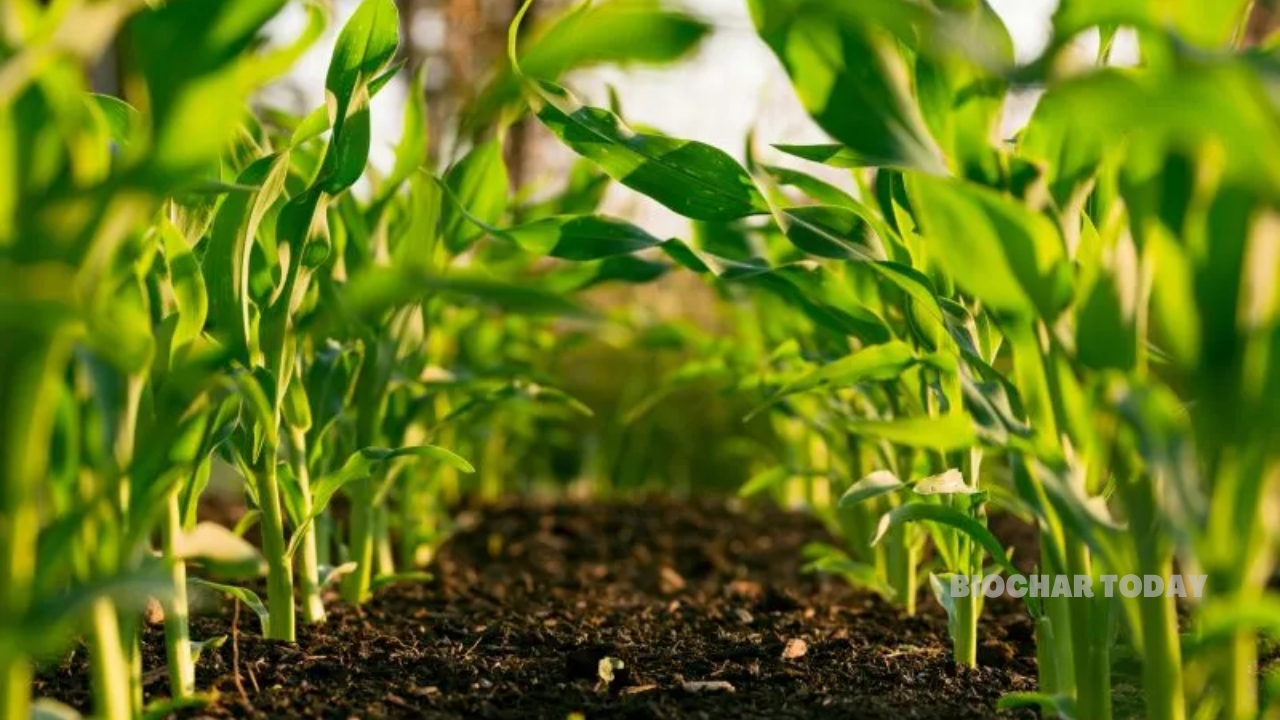
The initiative delivers measurable economic, environmental, and social outcomes for the Kootenay region. By substituting traditional pile-burning with kiln processing, the project reduces localized emissions while improving soil quality and agricultural yields via enhanced water and nutrient retention. Economically, the pilot establishes local proof-of-concept, stimulating regional demand for biochar products and specialized kiln rentals. Furthermore, the operations provide technical training and employment opportunities for local youth. Managed via the Youth Climate Corps, these positions improve regional youth retention and develop foundational skills for the rural green economy.


Leave a Reply