
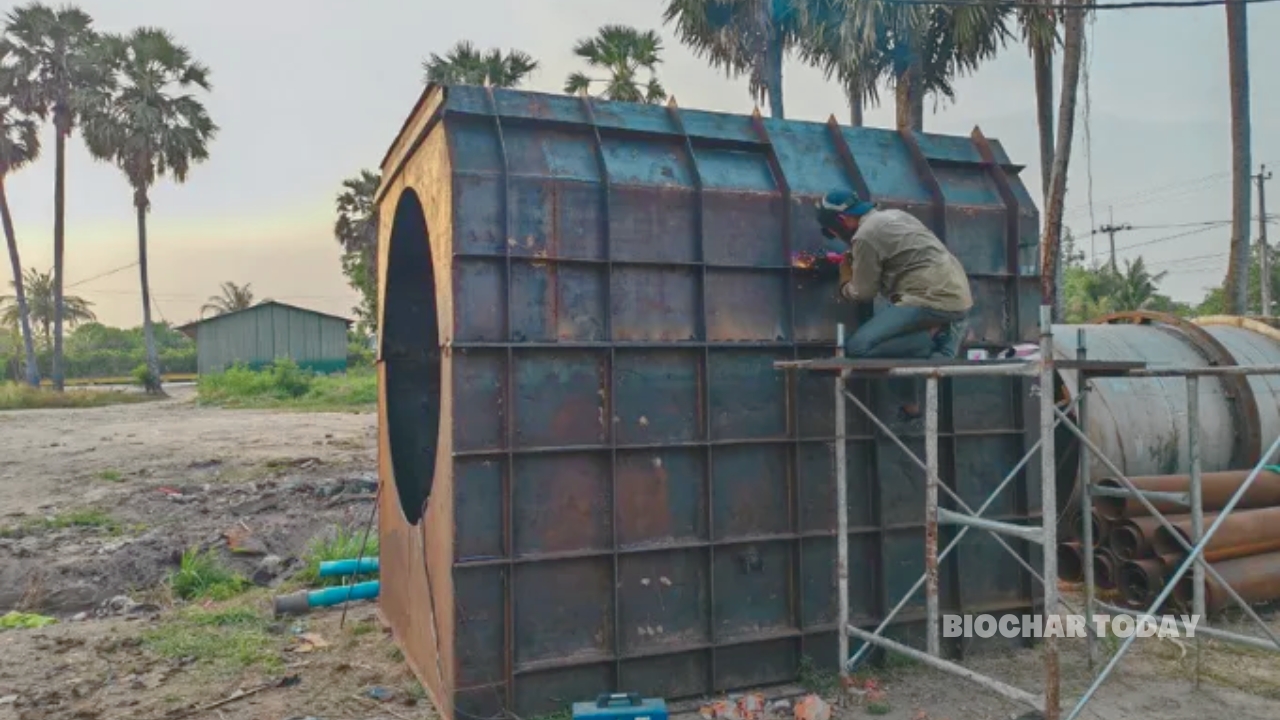
Arukah, an environmental technology company, has successfully reached a significant milestone by issuing the first Puro.earth-certified CO2 Removal Certificates (CORCs) in Cambodia. This development marks the formal entry of the Cambodian biocharBiochar is a carbon-rich material created from biomass decomposition in low-oxygen conditions. It has important applications in environmental remediation, soil improvement, agriculture, carbon sequestration, energy storage, and sustainable materials, promoting efficiency and reducing waste in various contexts while addressing climate change challenges. More sector into the high-integrity voluntary carbon market. By adhering to the Puro Standard, a leading methodology for engineered carbon removal, Arukah has established a verified pathway for sequestering atmospheric carbon via biochar production. This initiative represents a strategic shift toward bringing standardized, institutional-grade carbon credits to Southeast Asian markets, which have historically lacked the infrastructure for such rigorous certification.
The primary challenge addressed by this project is the lack of transparent, verifiable carbon removal frameworks in emerging economies. While biomassBiomass is a complex biological organic or non-organic solid product derived from living or recently living organism and available naturally. Various types of wastes such as animal manure, waste paper, sludge and many industrial wastes are also treated as biomass because like natural biomass these More availability is often high in regions like Cambodia, the ability to convert this resource into a bankable environmental asset is frequently hindered by a lack of Monitoring, Reporting, and Verification (MRV) capabilities. Without third-party certification from a recognized body like Puro.earth, local producers struggle to access international buyers who demand high-quality, durable carbon removals. This “trust gap” prevents the scaling of biochar projects that could otherwise provide significant climate and economic benefits to the region.
To resolve these barriers, Arukah implemented a localized production model that meets the stringent requirements of the Puro Standard. The solution involved optimizing the pyrolysisPyrolysis is a thermochemical process that converts waste biomass into bio-char, bio-oil, and pyro-gas. It offers significant advantages in waste valorization, turning low-value materials into economically valuable resources. Its versatility allows for tailored products based on operational conditions, presenting itself as a cost-effective and efficient More process to ensure stable carbon sequestration and rigorous data collection throughout the lifecycle of the biomass. By partnering with Puro.earth, Arukah integrated its operations into a global registry, ensuring that each CORC represents one metric ton of CO2 removed from the atmosphere for at least 100 years. This methodology provides the necessary oversight to confirm that the biomass is sustainably sourced and that the resulting biochar is applied in a manner that prevents the re-release of carbon.
The outcomes of this certification are multi-faceted, providing Arukah with immediate access to a global marketplace of corporate climate buyers seeking high-quality credits. The issuance of these CORCs validates the commercial viability of biochar in Cambodia and sets a precedent for other regional developers to follow. Furthermore, the revenue generated from these credits supports the expansion of local operations, creating a self-sustaining financial model for carbon removal. This project effectively demonstrates that with the correct technical and regulatory alignment, emerging markets can become significant contributors to the global supply of durable carbon dioxide removal (CDR) solutions.



Leave a Reply