
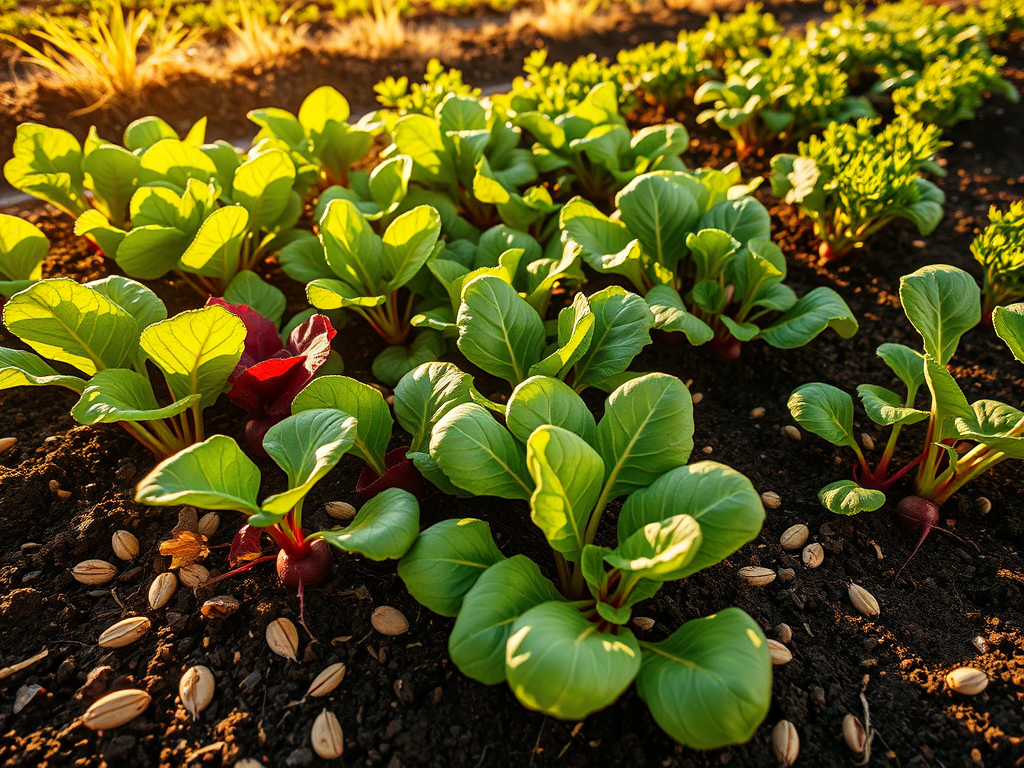
In the remote, high-altitude region of Kargil, Ladakh, access to fresh vegetables during the harsh winter months is a major challenge. A recent study published in Scientific Reports explored the potential of biocharBiochar is a carbon-rich material created from biomass decomposition in low-oxygen conditions. It has important applications in environmental remediation, soil improvement, agriculture, carbon sequestration, energy storage, and sustainable materials, promoting efficiency and reducing waste in various contexts while addressing climate change challenges. More, a charcoal-like material, to boost vegetable production in this challenging environment. The team- Hussain et al., focused on utilizing a locally sourced waste product – apricot seed shells – to create biochar that could enhance soil fertility and crop yields.
The study investigated the effects of biochar derived from apricot seed shells on the growth of four common vegetables: spinach, lettuce, beetroot, and mustard. The biochar was produced through pyrolysisPyrolysis is a thermochemical process that converts waste biomass into bio-char, bio-oil, and pyro-gas. It offers significant advantages in waste valorization, turning low-value materials into economically valuable resources. Its versatility allows for tailored products based on operational conditions, presenting itself as a cost-effective and efficient More, a process that involves heating the shells in the absence of oxygen. The resulting biochar was then added to the soil at a rate of 8% by weight.
The results were impressive. The addition of biochar significantly increased the yield of all four vegetables. Spinach showed the most dramatic response, with the number of leaves increasing from 7 to 45! The size of leaves also increased for spinach, lettuce, and mustard, while the length of the beetroots showed improvement. Further analysis revealed that the biochar had a positive impact on soil properties, increasing pHpH is a measure of how acidic or alkaline a substance is. A pH of 7 is neutral, while lower pH values indicate acidity and higher values indicate alkalinity. Biochars are normally alkaline and can influence soil pH, often increasing it, which can be beneficial More, conductivity, and specific surface area.
This research demonstrates the potential of biochar to transform agricultural waste into a valuable resource for improving soil health and crop yields, particularly in challenging environments like Kargil. By utilizing locally sourced waste materials, this approach not only reduces environmental impact but also enhances food security in remote communities.
SOURCE: Hussain, S., Gajbhiye, P., Siddiqui, M. I. H., Sonawane, C., & Dobrotă, D. (2023). Comparative assessment of vegetable yield with and without biochar derived from locally sourced apricot shells. Scientific Reports, 13(1), Article 17054. https://doi.org/10.1038/s41598-023-43887-5




Leave a Reply