
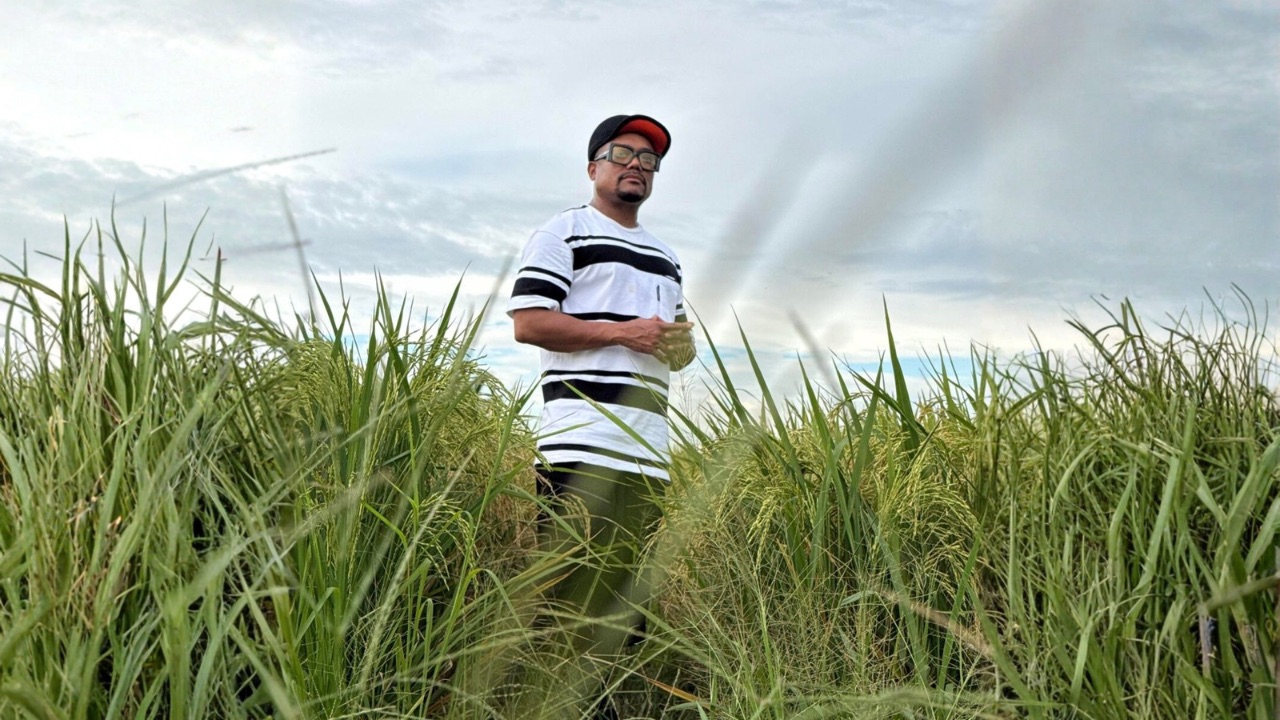
The world of carbon sequestration just got a major celebrity boost and a massive, sustainable source of feedstockFeedstock refers to the raw organic material used to produce biochar. This can include a wide range of materials, such as wood chips, agricultural residues, and animal manure. More. Filipino-American rapper and philanthropist Apl.de.Ap of the Black Eyed Peas has launched the ambitious “100 Million Coconut Trees for the Climate” project in the Philippines, an initiative poised to address both soil health and climate resilience—with biocharBiochar is a carbon-rich material created from biomass decomposition in low-oxygen conditions. It has important applications in environmental remediation, soil improvement, agriculture, carbon sequestration, energy storage, and sustainable materials, promoting efficiency and reducing waste in various contexts while addressing climate change challenges. More at its core.
The campaign, which aims to revitalize the Philippines’ agricultural legacy and combat severe soil degradation, stems from Apl.de.Ap’s deep connection to his farming roots. Crucially for the biochar community, his team’s research led directly to the process of pyrolysisPyrolysis is a thermochemical process that converts waste biomass into bio-char, bio-oil, and pyro-gas. It offers significant advantages in waste valorization, turning low-value materials into economically valuable resources. Its versatility allows for tailored products based on operational conditions, presenting itself as a cost-effective and efficient More. He recognized that coconut husks, a ubiquitous agricultural waste product often discarded in the millions across the country, are an ideal and abundant source material for producing high-quality, carbon-rich biochar.
This isn’t just a mass-planting effort; it’s a sustainable ecosystem play. Working with organizations like the Philippine Coconut Authority (PCA), the project emphasizes “food forests,” intercropping coconut trees with crops like cacao and coffee to enhance biodiversity. Apl.de.Ap highlighted the transformative power of biochar-enriched soil to nurture life and withstand extreme weather, citing how crops have successfully weathered harsh conditions like El Niño thanks to improved soil health.
The initiative demonstrates a powerful model: large-scale agricultural projects can simultaneously restore natural resources, support local communities, and create a significant, renewable stream of feedstock for biochar production. This undertaking offers a compelling case study on how agricultural waste can be transformed into a vital tool for climate mitigation and soil health worldwide.



Leave a Reply