

Key Takeaways
- Converting common farm waste like ginger stalks and fruit leaves into specialized biocharBiochar is a carbon-rich material created from biomass decomposition in low-oxygen conditions. It has important applications in environmental remediation, soil improvement, agriculture, carbon sequestration, energy storage, and sustainable materials, promoting efficiency and reducing waste in various contexts while addressing climate change challenges. More provides a high-performance tool for cleaning up heavy metal pollution.
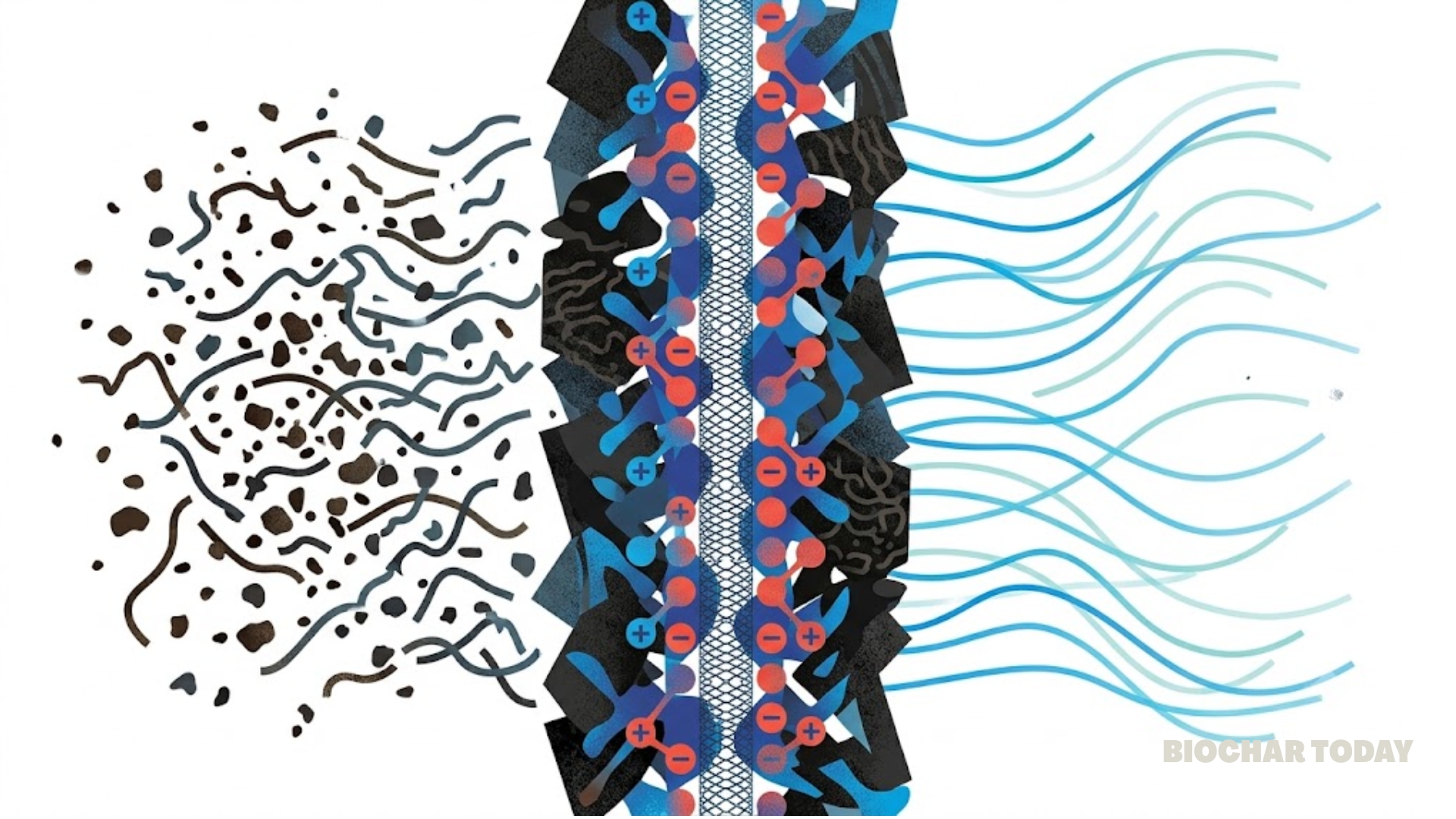
- This modified biochar acts like a chemical sponge, soaking up toxic cadmium from water and locking it away so plants cannot absorb it.
- Adding a small amount of this material to contaminated farmland significantly improves soil health by neutralizing acidity and increasing organic matter.
- Using this treatment protects food safety by ensuring that seeds can sprout and grow in soil that was previously too toxic for farming.
- This technology promotes a circular economy by turning unwanted agricultural leftovers into valuable materials for protecting the environment and human health.
The journal Sustainability recently published an article by Xinyue Zhang and a team of researchers from the Chongqing University of Arts and Sciences exploring a new method for treating cadmium contamination using agricultural waste. Cadmium is a highly toxic heavy metal that often accumulates in farmland, posing a severe risk as it moves from soil into crops and eventually the human food chain. To address this, the researchers developed an alkali-iron-modified biochar using ginger straw, Sichuan pepper branches, and kiwifruit leaves. By modifying these organic materials with sodium hydroxide and iron chloride, they created a powerful composite that outperforms standard biochar in its ability to lock away harmful metals in both water and soil.
A central finding of this study is that the modified biochar significantly improves the fundamental health and chemical balance of polluted soil. When applied to contaminated ground, the material raises the soil pHpH is a measure of how acidic or alkaline a substance is. A pH of 7 is neutral, while lower pH values indicate acidity and higher values indicate alkalinity. Biochars are normally alkaline and can influence soil pH, often increasing it, which can be beneficial More, effectively neutralizing acidity that would otherwise make toxic metals more mobile and dangerous. Furthermore, the application of this biochar increases soil organic matter and the soil’s ability to hold onto vital nutrients, a property known as cation exchange capacity. These structural and chemical shifts are not just surface-level changes; they fundamentally alter how the soil interacts with pollutants. By increasing these specific indicators, the biochar creates an environment where cadmium is less likely to stay in a liquid form that plant roots can easily drink.
The research demonstrates that the modified biochar is exceptionally effective at reducing the amount of cadmium that is “available” or biologically active in the soil. After a thirty-day testing period, the available cadmium content dropped by as much as 33.94 percent depending on the dosage used. This reduction occurs because the biochar surface is rich in specialized functional groups and iron oxides that chemically bond with the metal ions. Rather than just sitting in the dirt, the cadmium is transformed from a highly mobile state into more stable, solid forms that are trapped within the soil’s mineral and organic structures. This process, known as immobilization, is a critical step in preventing toxic buildup in leafy vegetables and other food crops grown in treated areas.
Interestingly, the study found that the effectiveness of this treatment follows a specific principle of moderate application. While adding more biochar generally leads to better metal stabilization, there is a limit to how much the soil should be altered. The researchers discovered that a three percent addition rate provided the best balance for biological health. At this level, the soil pH was adjusted to a near-neutral range that is optimal for plant growth. In contrast, pushing the addition rate to five percent caused the soil to become too alkaline, which actually stressed the plants and hindered seed germination. This finding provides a practical blueprint for farmers and environmental engineers, suggesting that precisely measured “moderate remediation” is the safest way to restore polluted farmland.
The researchers also confirmed the biological benefits of this technology through seed germination tests using spinach. In highly contaminated soil without any treatment, seed emergence rates plummeted to just forty percent, and the time it took for seeds to sprout was significantly delayed. However, when the soil was treated with the optimal dose of modified biochar, the emergence rate doubled to eighty percent, and the seeds sprouted much faster, mimicking the behavior of plants in perfectly healthy, clean soil. This biological validation proves that the chemical changes in the soil translate directly into a safer environment for agriculture.
Ultimately, this study highlights a sustainable path forward for managing both agricultural waste and environmental pollution. By recycling crop leftovers into a high-tech environmental tool, the researchers have created a solution that is both cost-effective and ecologically friendly. The successful incorporation of iron oxides like magnetite onto the biochar surface provides a magnetic and chemical advantage that could revolutionize how we clean up waterways and restore the productivity of contaminated land. This work offers a vital technical solution for ensuring that even mildly or moderately polluted soil can be used safely to produce healthy food for a growing global population.
Source: Zhang, X., Shan, D., Xie, Y., Li, J., Ning, J., Yi, G., Chen, H., & Xiang, T. (2025). Preparation of alkali-Fe-modified biochar from agricultural waste for remediation of cadmium-contaminated soil and water. Sustainability, 18(1), 373.




Leave a Reply