

Key Takeaways
- Burning farm waste causes air pollution, but turning that waste into a special charcoalCharcoal is a black, brittle, and porous material produced by heating wood or other organic substances in a low-oxygen environment. It is primarily used as a fuel source for cooking and heating. More called biocharBiochar is a carbon-rich material created from biomass decomposition in low-oxygen conditions. It has important applications in environmental remediation, soil improvement, agriculture, carbon sequestration, energy storage, and sustainable materials, promoting efficiency and reducing waste in various contexts while addressing climate change challenges. More helps clean the soil instead.
- Biochar acts like a powerful sponge, soaking up toxic metals in the ground so they do not end up in the food we eat.
- Using this charcoal technology can lower the cancer risk for people living near contaminated farmlands by making crops safer to consume.
- Advanced versions of this charcoal, including those using tiny magnetic particles, are even more effective at trapping pollutants than regular charcoal.
- This natural solution helps farmers grow healthier crops while also fighting climate change by keeping carbon trapped in the soil.
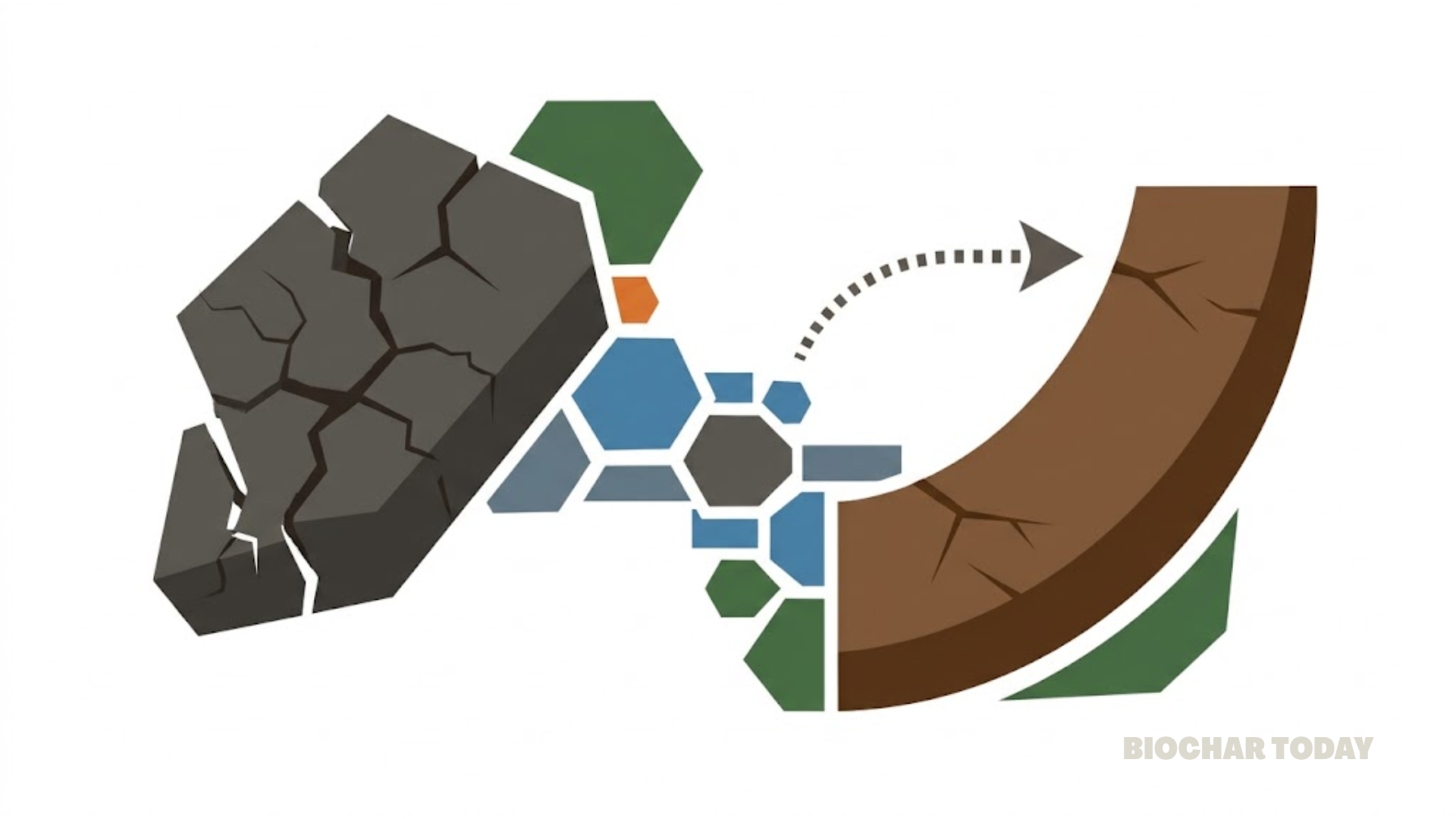
The research published in the journal BiomassBiomass is a complex biological organic or non-organic solid product derived from living or recently living organism and available naturally. Various types of wastes such as animal manure, waste paper, sludge and many industrial wastes are also treated as biomass because like natural biomass these More Futures by author Prabhat Kumar Rai highlights a transformative approach to addressing soil pollution and food safety through the use of agricultural waste-derived biochar. This biobased technology offers a sustainable alternative to the traditional, harmful practice of burning crop residues, which typically releases greenhouse gases and dangerous particulate matter into the atmosphere. By converting these residues into carbon-rich, porous solid, scientists have found a way to remediate heavy metals at the soil-food crop interface, thereby protecting public health and improving soil quality. This panoramic advancement in biomass technology not only facilitates the cleanup of contaminated lands but also accelerates global efforts toward climate action and the achievement of the United Nations Sustainable Development Goals.
The primary success of this technology lies in its ability to significantly limit the transfer of toxic elements from the soil into staple food crops. A meta-analysis of numerous independent observations revealed that biochar applications result in an average decrease in metal uptake of 38 percent for cadmium and 39 percent for lead across different food varieties. In specific field-scale applications, the results were even more pronounced; for example, the use of biochar in certain contaminated villages reduced the presence of arsenic derivatives in crops by as much as 74 percent. This led to a 66 percent reduction in the incremental lifetime cancer value for the local population, demonstrating the direct link between soil remediation and human health risk mitigation. In other instances, a 5 percent dose of biochar combined with specific enzymes successfully remediated up to 98.41 percent of lead in contaminated soil.
Beyond basic charcoal, the study emphasizes the superior efficiency of designer or engineered biochars. These customized materials, often enhanced with magnetic or nano-scale particles, provide a better structural configuration and improved surface chemistry for trapping pollutants. For example, biochar modified with iron phosphate nanoparticles enhanced the immobilization of cadmium in cabbage-mustard farmlands by over 81 percent in the soil and 70 percent in the aboveground parts of the plants. Additionally, magnetic biochar has proven highly effective because it addresses the logistical challenge of separating the adsorbent from the soil after treatment, while also showing a remediation efficiency for cadmium that is 230 percent higher than that of raw, unmodified biochar.
The findings also reveal that biochar does more than just trap toxins; it actively revitalizes the health of the agroecosystem. By acting as a liming agent and a source of essential nutrients like carbon, nitrogen, and potassium, biochar improves soil fertility and water-holding capacity. These improvements facilitate the growth of beneficial soil microbes, such as symbiotic fungi and bacteria, which help plants resist stress. In experiments with maize, the co-application of biochar and beneficial fungi increased plant growth by over 79 percent while boosting the activity of natural enzymes that protect the plant from chemical damage. This dual action of removing pollutants while nourishing the soil ensures higher crop yields and more resilient agricultural landscapes.
Despite the clear benefits, the research acknowledges certain limitations that must be managed to ensure long-term success. Scientists must carefully screen the initial waste materials to ensure they are not already contaminated, as using waste from polluted sites can inadvertently introduce more toxins into the ground. There is also a need to monitor the long-term behavior of these materials as they age in the field to prevent the eventual release of captured metals back into the environment. Future advancements may involve using artificial intelligence and machine learning to predict how different types of biochar will interact with specific soil conditions, allowing for even more precise and cost-effective remediation strategies. Ultimately, providing financial incentives and increasing public awareness will be key to moving this technology from the laboratory to large-scale farmlands.
Source: Rai, P. K. (2026). Agricultural waste-derived biochar in heavy metals remediation of soil-food crops for human health and sustainable agriculture. Biomass Futures, 1, 100015.



Leave a Reply