
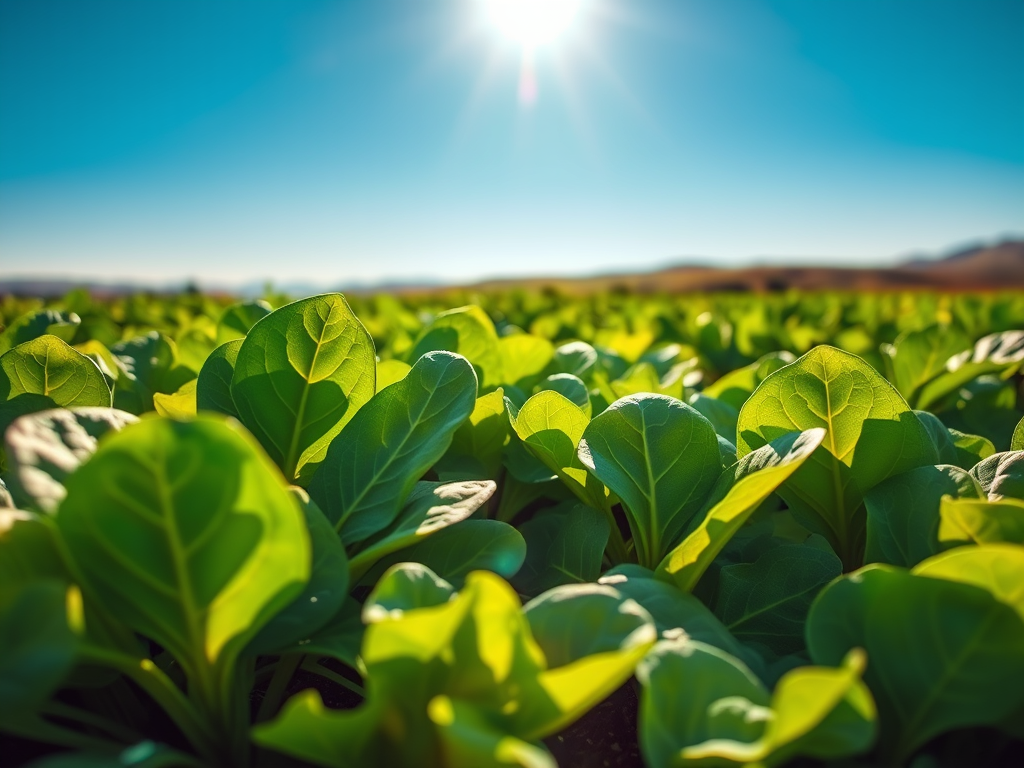
Sheikh et al., in their research published in Scientific Reports, investigated the potential of using acidified biocharBiochar is a carbon-rich material created from biomass decomposition in low-oxygen conditions. It has important applications in environmental remediation, soil improvement, agriculture, carbon sequestration, energy storage, and sustainable materials, promoting efficiency and reducing waste in various contexts while addressing climate change challenges. More (BC) to mitigate the negative impacts of cadmium (Cd) contamination on spinach growth. The researchers conducted a pot experiment with four treatments: a control group and three groups with varying concentrations of acidified biochar (0.45%, 0.90%, and 1.20%). They assessed the effects of biochar on spinach growth, biochemical attributes, and nutrient uptake under Cd stress.
The study found that the 1.20% biochar treatment significantly improved spinach growth, with increases in shoot and root fresh weights, shoot and root dry weights, total soluble sugar, and total soluble protein compared to the control group under Cd stress. The researchers also observed notable improvements in chlorophyll a, chlorophyll b, and total chlorophyll content, indicating enhanced photosynthetic activity. Additionally, the 1.20% biochar treatment increased the concentrations of nitrogen (N), phosphorus (P), and potassium (K) in both shoots and roots, suggesting improved nutrient uptake.
These findings highlight the potential of acidified biochar as a soil amendmentA soil amendment is any material added to the soil to enhance its physical or chemical properties, improving its suitability for plant growth. Biochar is considered a soil amendment as it can improve soil structure, water retention, nutrient availability, and microbial activity. More for mitigating Cd toxicity in spinach production. By enhancing plant growth, improving nutrient uptake, and promoting photosynthetic activity, biochar can help alleviate the negative impacts of Cd contamination on spinach yield and quality.
Source: Sheikh, L., Naz, N., Oranab, S., Younis, U., Alarfaj, A. A., Alharbi, S. A., & Ansari, M. J. (2025). Minimization of cadmium toxicity and improvement in growth and biochemical attributes of spinach by using acidified biochar. Scientific Reports, 15(1), Article 1. https://doi.org/10.1038/s41598-025-90746-1



Leave a Reply