
Key Takeaways
- Scientists have created a new way for farms to process both crop leftovers and animal waste at the same time to create a helpful soil additive.
- This new method helps farmers follow environmental rules by keeping different types of waste separate during the recycling process.
- Using this system can significantly lower the harmful gases that usually come from storing and spreading animal manure on fields.
- The process produces a large amount of a charcoal-like material that can safely trap carbon in the ground for a very long time.
- While the technology currently costs a significant amount to set up, it offers a practical path for farms to help fight climate change.
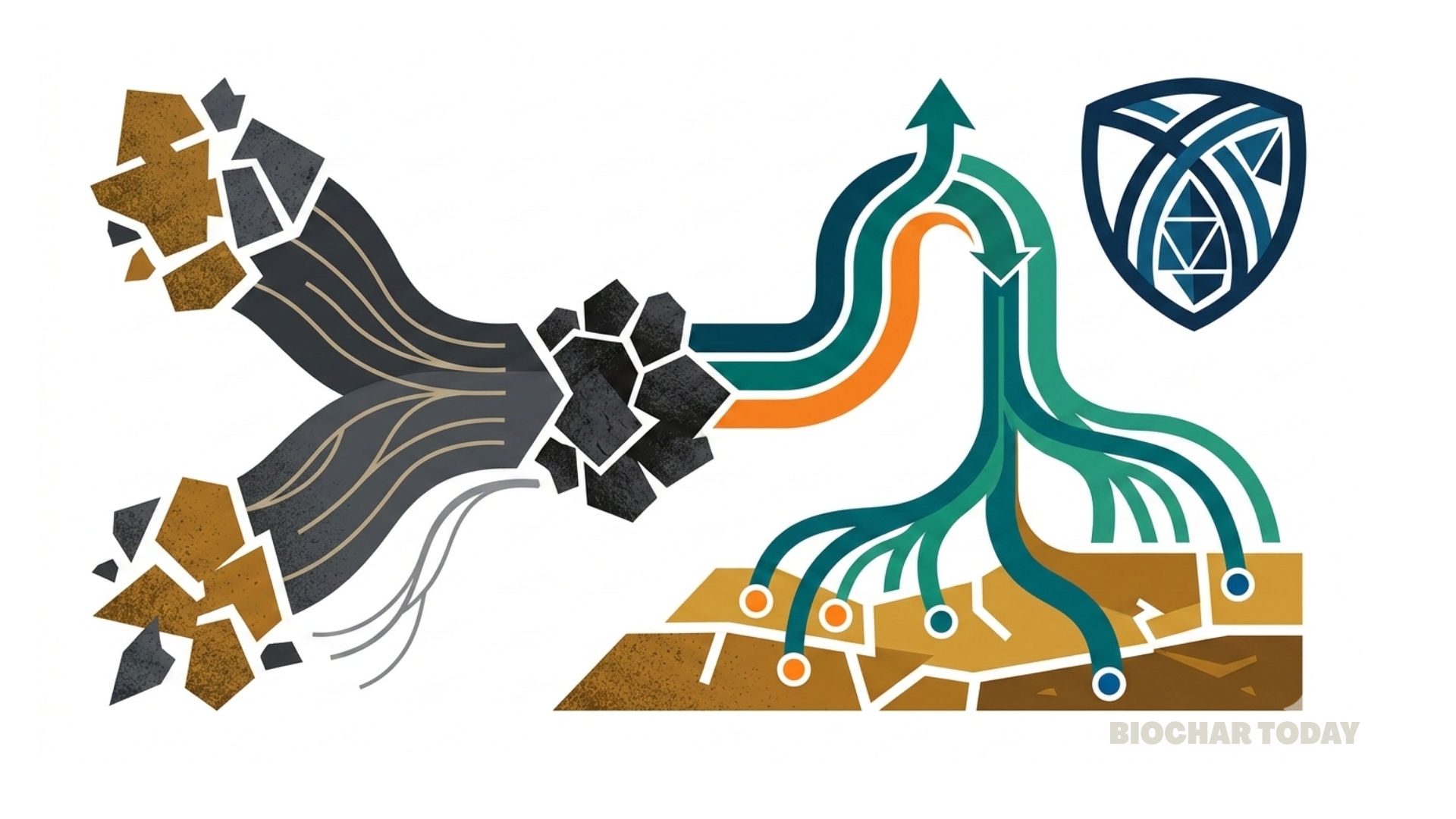
The agricultural industry is currently facing significant pressure to find scalable ways to lower its environmental footprint, particularly concerning how it manages leftovers from crops and livestock. In a study published in the journal BiocharBiochar is a carbon-rich material created from biomass decomposition in low-oxygen conditions. It has important applications in environmental remediation, soil improvement, agriculture, carbon sequestration, energy storage, and sustainable materials, promoting efficiency and reducing waste in various contexts while addressing climate change challenges. More, authors Yuzhou Tang, Judith Ford, and Tim T. Cockerill explore a specialized production model tested at the University of Leeds Research Farm in the United Kingdom. This research focuses on a parallel pyrolysisPyrolysis is a thermochemical process that converts waste biomass into bio-char, bio-oil, and pyro-gas. It offers significant advantages in waste valorization, turning low-value materials into economically valuable resources. Its versatility allows for tailored products based on operational conditions, presenting itself as a cost-effective and efficient More system designed to handle straw and manure separately. By using two distinct processing lines, the system stays in line with strict land application regulations that often prevent the mixing of different waste types. This design allows a single farm to transform its raw waste into a stable, carbon-rich material that can be returned to the soil, providing a decentralized alternative to larger, centralized industrial plants.
The findings of this research indicate that such an integrated system is highly effective at reducing the primary gases responsible for warming the atmosphere. For the specific case study farm, the model was able to process three quarters of the dry matter found in animal manure, which directly led to a seventy-five percent reduction in emissions typically associated with manure storage and field application. Beyond just reducing waste-related pollution, the system produced approximately three hundred tonnes of biochar each year. This material acts as a permanent storage vault for carbon, sequestering about three hundred and fifty tonnes of carbon dioxide equivalent. This level of carbon removal accounts for nearly forty percent of the farm’s original total emissions, representing a massive shift toward a net-negative environmental impact for the property.
Energy efficiency serves as a cornerstone of this new design, as the researchers found a way to make the two processing lines work together. Pyrolysis is normally an energy-heavy process, especially when dealing with wet materials like manure. However, this system captures the surplus heat generated from processing dry straw and redirects it to help dry the manure before it enters its own reactor. This clever integration of heat saved a significant amount of energy and avoided an additional thirty tonnes of carbon dioxide emissions that would have otherwise come from using external fuel sources. The study shows that even on a relatively small farm of about two hundred and thirty hectares, enough energy can be recovered to maintain a functional balance throughout the year, provided there is enough straw available from the harvest.
While the environmental results are impressive, the study also takes a realistic look at the financial costs associated with such advanced technology. The current cost to remove carbon using this method is estimated at two hundred and twenty-six pounds per tonne of carbon dioxide. These expenses are split almost equally between the initial cost of the machinery, the day-to-day work required to run the machines, and the electricity needed for operation. Although this price is higher than some current market benchmarks, the researchers point out that costs for similar green technologies, like solar panels and batteries, have dropped by as much as ninety percent as they became more common. They suggest that as more farms adopt these modular systems and supply chains improve, the financial burden on individual farmers will likely decrease significantly.
A major discovery from the analysis was that the success of the system depends heavily on the amount of straw a farm produces each year. Because crop yields change based on weather and which crops are planted in a given season, farms may occasionally face a shortage of the dry material needed to create heat. The study compared different ways to handle these shortages and concluded that buying a small amount of extra straw from neighboring farms was the most cost-effective way to keep the system running at full capacity. This finding suggests that a cooperative model, where several farms share a single system or trade materials, could be the most resilient way to bring this technology to the wider agricultural sector. By pooling resources, farmers can stabilize their production and ensure they are always capturing the maximum amount of carbon possible.
Ultimately, this research provides a clear and quantitative map for how small-to-medium farms can take control of their own waste management and climate goals. By proving that a farm-ready architecture can be both legally compliant and environmentally powerful, the study offers a foundation for a new kind of rural infrastructure. The ability to turn a environmental liability like manure into a climate asset like biochar represents a significant step forward. As the technology matures and becomes more affordable, these parallel production systems could become a standard feature of the modern farm, helping the agricultural sector move closer to a net-zero future while improving the health and functionality of the land.
Source: Tang, Y., Ford, J., & Cockerill, T. T. (2026). Environmental and economic assessment of biochar production systems from agricultural residues. Biochar, 8(24).



Leave a Reply