

Vanadium is an important raw material for the metallurgical, aerospace, and chemical industries, but vanadium-rich wastewater can be harmful to humans and the environment due to its persistence and tendency to bioaccumulate. Traditional methods for treating and recovering vanadium have drawbacks, such as high operating costs, the production of significant byproducts, and a strong dependence on pHpH is a measure of how acidic or alkaline a substance is. A pH of 7 is neutral, while lower pH values indicate acidity and higher values indicate alkalinity. Biochars are normally alkaline and can influence soil pH, often increasing it, which can be beneficial More control. To address these issues, a recent study published in the Journal of Chemical Technology and Biotechnology by Bashir M. Ghanim and his colleagues investigated a novel, passive technology using a potassium hydroxide (KOH)-modified seaweed biocharBiochar is a carbon-rich material created from biomass decomposition in low-oxygen conditions. It has important applications in environmental remediation, soil improvement, agriculture, carbon sequestration, energy storage, and sustainable materials, promoting efficiency and reducing waste in various contexts while addressing climate change challenges. More (BCKOH) as an adsorbent. The researchers aimed to assess the biochar’s capacity for vanadium removal and recovery, as well as its reusability.
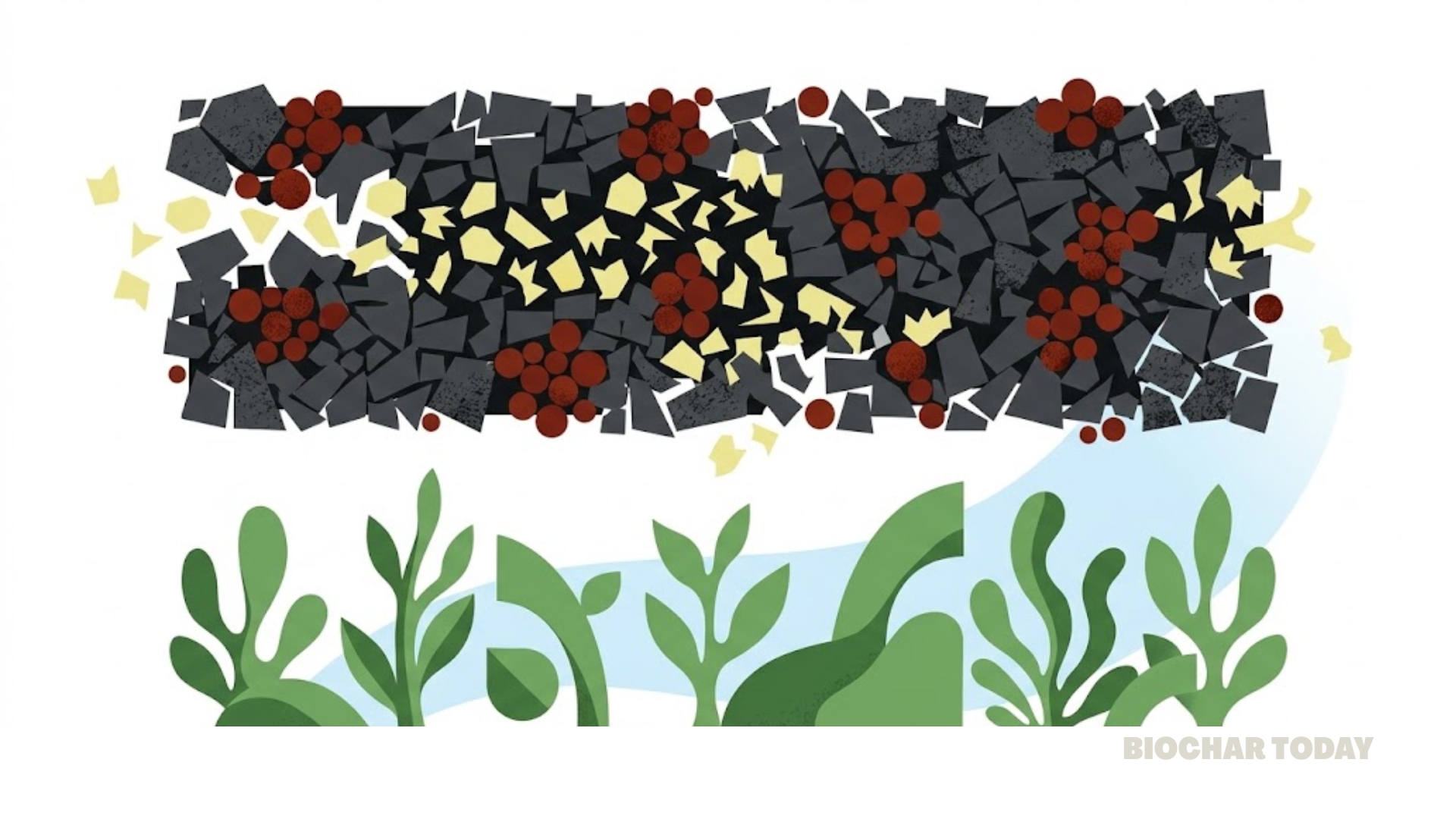
The study found that the KOH modification significantly enhanced the biochar’s physical properties. The surface area of the biochar increased The pore volume also saw a substantial increase. This increase in porosityPorosity of biochar is a key factor in its effectiveness as a soil amendment and its ability to retain water and nutrients. Biochar’s porosity is influenced by feedstock type and pyrolysis temperature, and it plays a crucial role in microbial activity and overall soil health. Biochar More was also visually confirmed through scanning electron microscope (SEM) images, which showed a mesoporous network in the modified biochar. Further analysis using X-ray photoelectron spectroscopy (XPS) revealed a rise in the surface oxygen composition from 19.61% to 29.94%, suggesting the formation of new oxygenated surface functional groups on the BCKOH material.
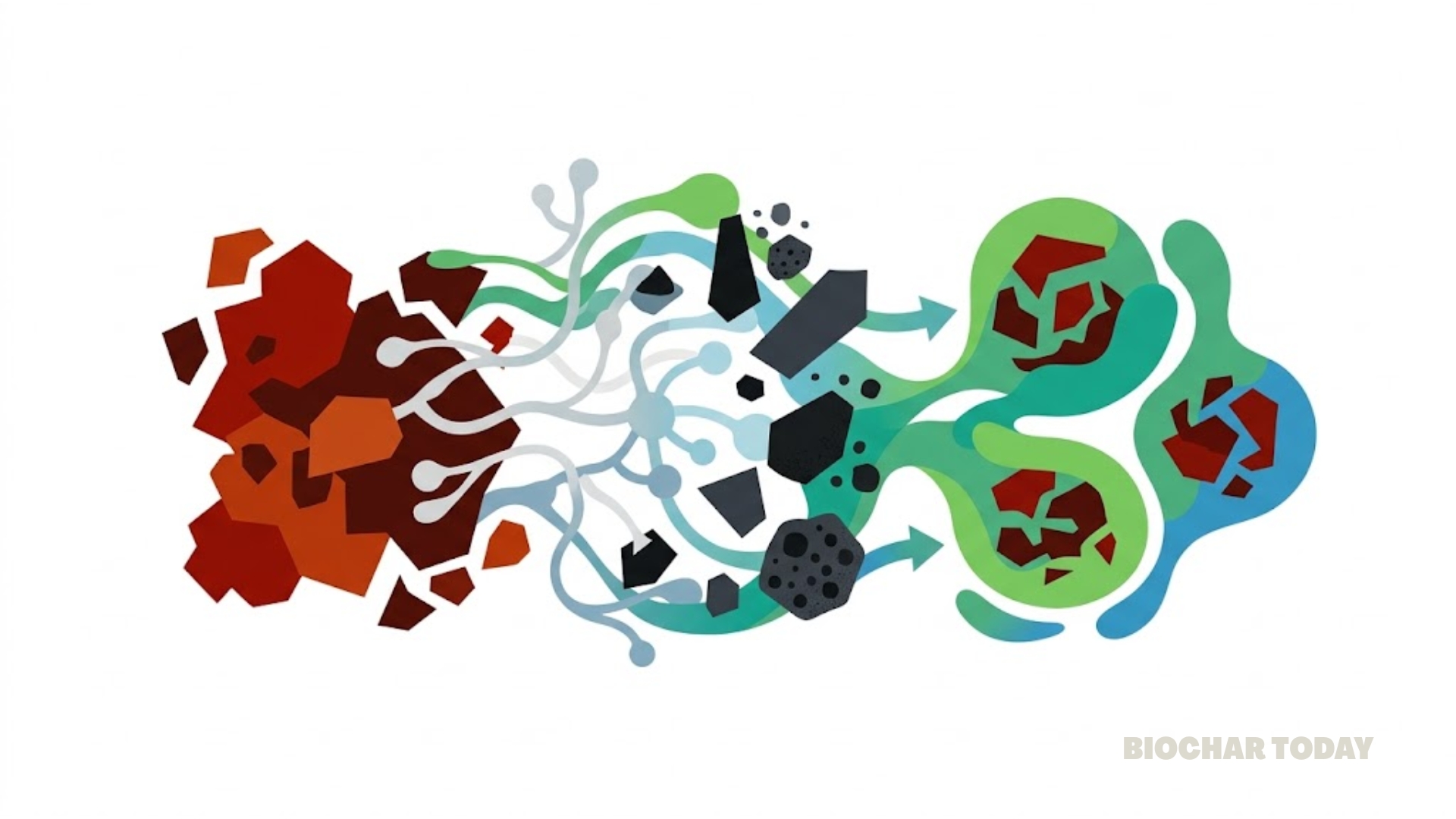
The optimal conditions for vanadium adsorption were determined to be a pH range of 3.5 to 4.5, where the uptake reached its maximum of about 44 mg g⁻¹. The research explains that at this pH, the vanadium species exists in an anionic form (H2VO4−), which is attracted to the positively charged biochar surface, leading to a significant increase in adsorption. Adsorption kinetics showed that the process was rapid initially, with an uptake of 48.8 mg V g⁻¹ BCKOH occurring within 75 minutes, followed by a slower phase. The study found that the adsorption process was best described by the Langmuir isotherm model, indicating a homogeneous binding of vanadium to the biochar’s surface sites.
The adsorption process was found to be exothermic, meaning it released heat and was favored by lower temperatures. The presence of sodium ions (Na+) in the solution, a common occurrence in industrial waste streams, caused an initial drop in vanadium uptake from 42.4 mg g⁻¹ to 30.5 mg g⁻¹, but further increases in sodium concentration had only a limited impact. This suggests that sodium ions compete for binding sites with vanadium, but the effect stabilizes once the sites are saturated with both ions.
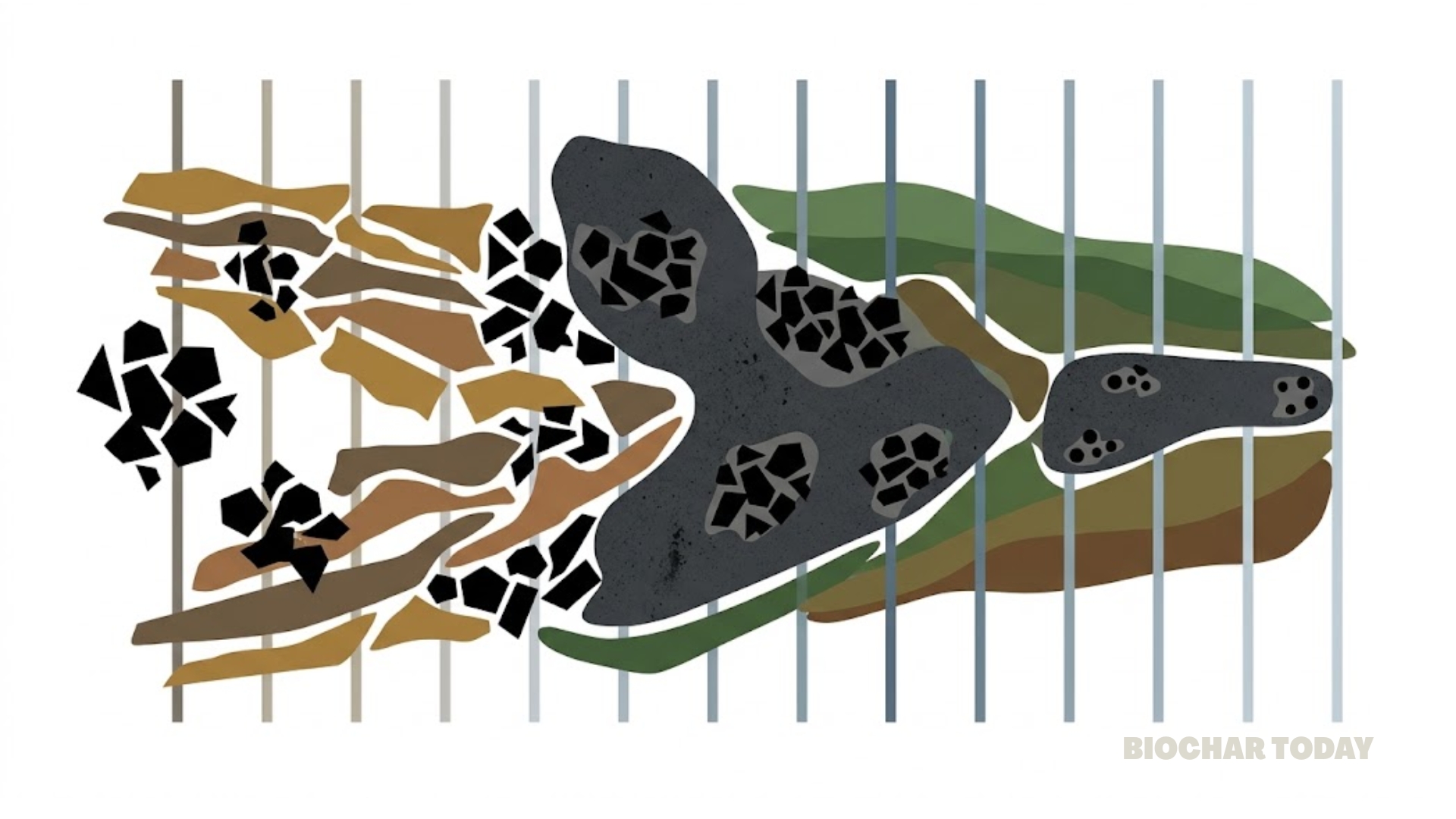
A crucial aspect of the study was the reusability of the BCKOH adsorbent. The researchers demonstrated that the biochar could be effectively regenerated and reused for at least three consecutive adsorption-desorption cycles. Using a 2 mol L⁻¹ KOH solution as the desorbing agent, the biochar’s integrity and vanadium uptake capacity remained consistent, with adsorption levels staying in the range of 42–46 mg g⁻¹ over the three cycles. This reversibility is a key finding, confirming the material’s potential as a cost-effective and robust adsorbent for treating acidic industrial waste streams while allowing for the recovery of valuable vanadium.
The overall findings suggest that this KOH-modified seaweed biochar holds promise as a sustainable and efficient solution for vanadium removal and recovery. Future work should focus on developing a continuous flow process to further explore its potential in an industrial setting and to provide data for economic and ecological assessments.
Source: Ghanim, B. M., Courtney, R., Pembroke, J. T., Leahy, J. J., O’Dwyer, T. F., & Murnane, J. G. (2025). Vanadium removal and recovery from aqueous solution with repeated use of a KOH-modified seaweed biochar adsorbent: characterisation and removal mechanisms. Journal of Chemical Technology and Biotechnology, 100(7), 1775-1786.


Leave a Reply