
Key Takeaways
- Enzymes attached to biocharBiochar is a carbon-rich material created from biomass decomposition in low-oxygen conditions. It has important applications in environmental remediation, soil improvement, agriculture, carbon sequestration, energy storage, and sustainable materials, promoting efficiency and reducing waste in various contexts while addressing climate change challenges. More can remove nearly 100 percent of certain antibiotic pollutants from water in just 20 minutes.
- Biochar acts like a sponge and a protective shield, helping natural catalysts work faster and last longer in harsh conditions.
- This eco-friendly technology can clean up both water and soil by breaking down tough chemicals like dyes and microplastics.
- Using waste materials to make biochar helps lower the cost of environmental cleanup while also trapping carbon to fight climate change.
- Smart design and computer modeling are making it easier to create the perfect match between biochar and enzymes for better results.
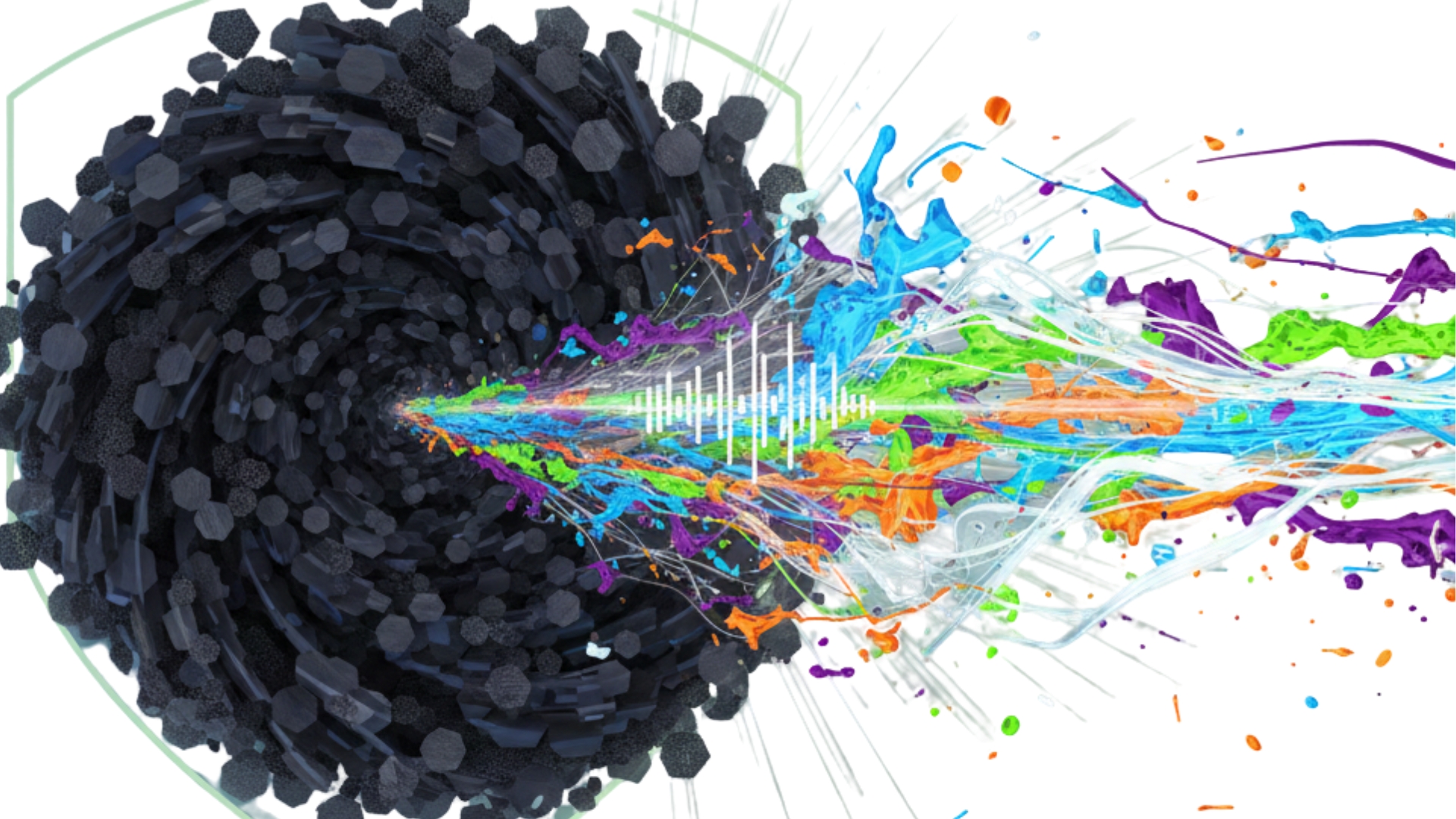
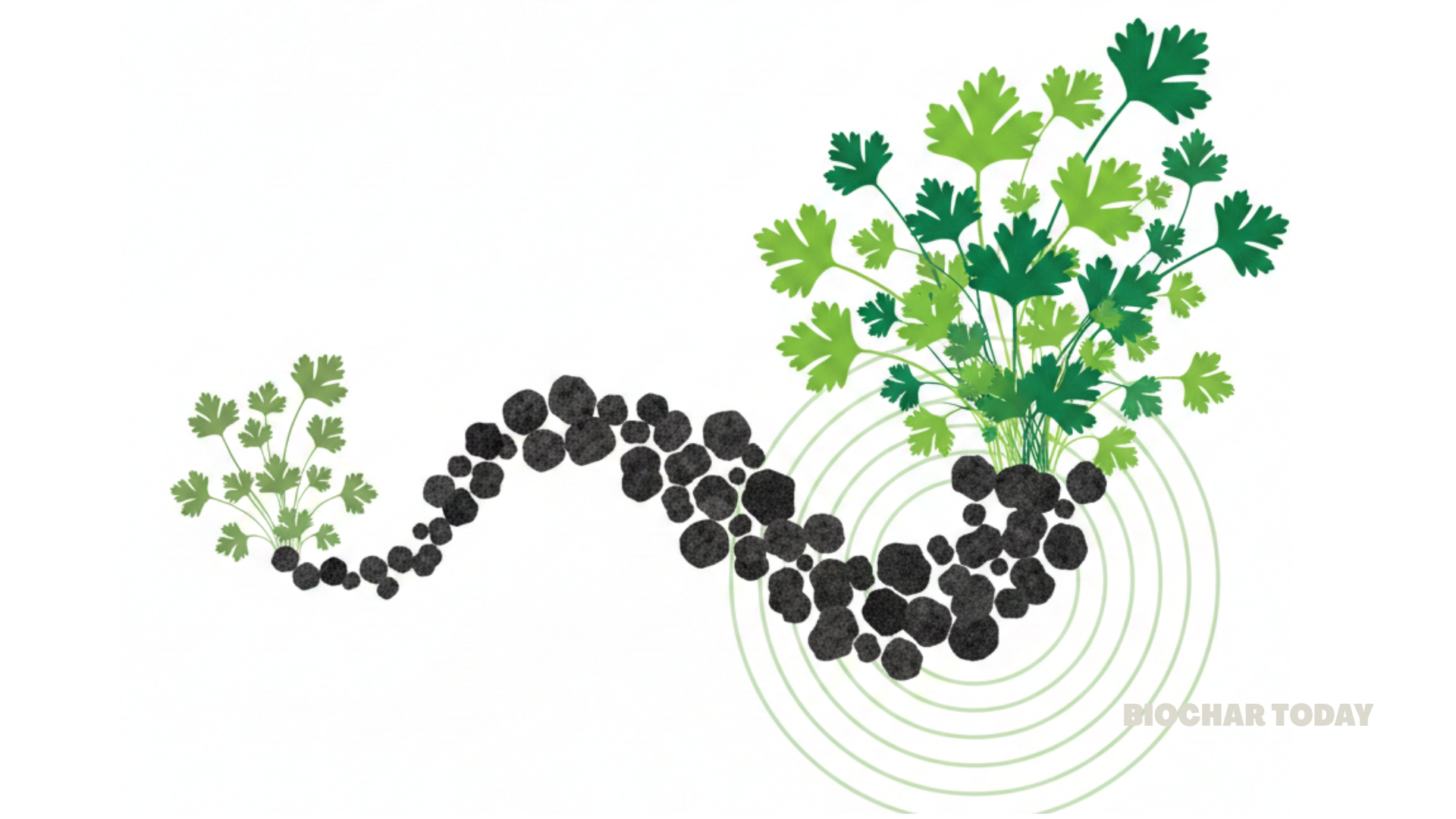
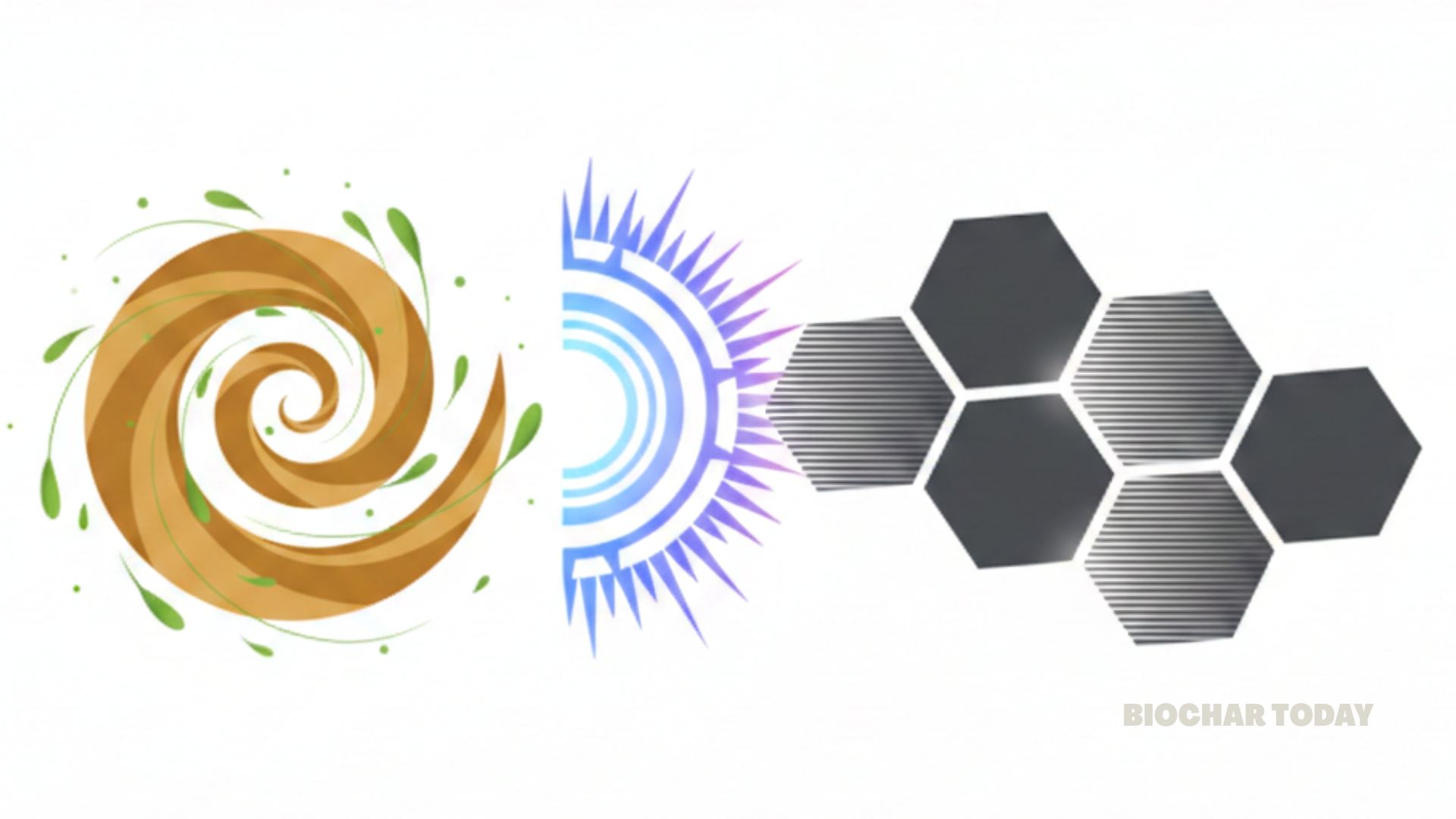
The persistent threat of water and soil pollution has necessitated the development of more efficient and sustainable cleanup technologies. In a comprehensive review published in the journal Biochar, researchers Sinan Zhang, Chenhao Cui, Sheng Huang, Zejian Wang, and Shiyong Wu explore how combining natural enzymes with biochar creates a powerful tool for environmental remediation. This technology addresses the major weaknesses of free enzymes, which are often too delicate for industrial use and difficult to recover once a job is finished. By anchoring these biological catalysts to the sturdy, porous surface of biochar, scientists have created a hybrid system that is not only more stable but also significantly more effective at destroying organic pollutants, pharmaceutical residues, and toxic dyes.
The results of these biochar-enzyme composites are particularly impressive in the field of water treatment. One notable finding highlighted in the manuscript is the ability of specialized biochar systems to eliminate 99.84 percent of penicillin G sodium from water in only 20 minutes. Other applications have shown that these composites can remove over 90 percent of endocrine-disrupting chemicals like Bisphenol A within 75 minutes. The success of this method lies in a dual-action process where the biochar first traps the pollutants in its many pores and then holds them in place so the enzymes can break them down into harmless substances like water and carbon dioxide. This synergy ensures that even low levels of stubborn contaminants are effectively neutralized.
Soil remediation also sees significant benefits from this technology. The research details how biochar-immobilized enzymes can reduce levels of chloroform in contaminated soil by nearly 89 percent in just one hour. Beyond just cleaning up chemicals, the biochar serves as a permanent home for beneficial soil microbes, which helps restore the natural health of the land. Furthermore, because biochar is made from recycled agricultural waste and traps carbon in the ground, its use contributes to broader climate goals. The manuscript suggests that this approach provides a net carbon reduction of up to 0.9 tons of carbon dioxide for every ton of biochar produced, merging ecological restoration with carbon neutrality.
While the technology has shown great success in laboratory settings, moving to large-scale application requires overcoming challenges like the variability of raw materials and the high cost of certain chemical binders. The authors point toward exciting future directions, such as using machine learning to predict the best combinations of biochar and enzymes without months of trial and error. They also highlight the development of continuous flow reactors that can treat high volumes of wastewater, with some biochar membranes performing 460 times better than traditional filters. By integrating these smart designs and focusing on low-energy production, biochar-immobilized enzymes are positioned to become a cornerstone of green technology for a cleaner planet.
Source: Zhang, S., Cui, C., Huang, S., Wang, Z., & Wu, S. (2026). Application and mechanisms of biochar-immobilized enzymes in environmental remediation: a review. Biochar, 8(4).

Leave a Reply