
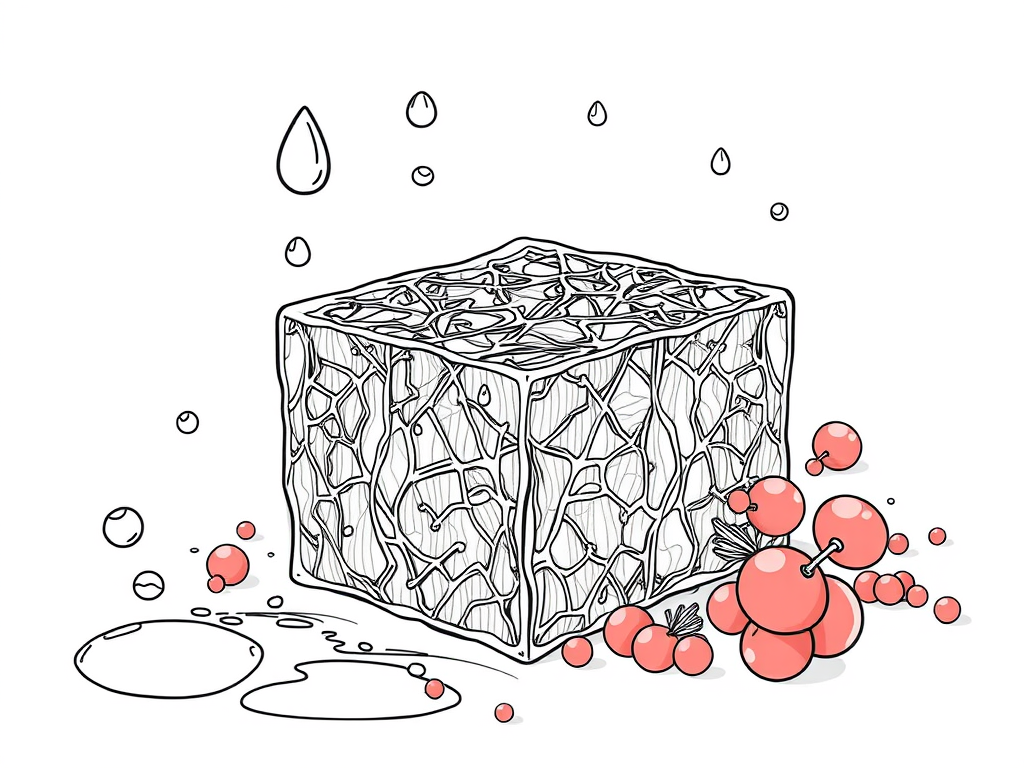
In a study published in Catalysts, Xinyan Yu, Wanting Xu, and Lu Gan explored how varying the cellulose and lignin content in biocharBiochar is a carbon-rich material created from biomass decomposition in low-oxygen conditions. It has important applications in environmental remediation, soil improvement, agriculture, carbon sequestration, energy storage, and sustainable materials, promoting efficiency and reducing waste in various contexts while addressing climate change challenges. More affects its ability to remove organic dye pollutants from water. Biochar has garnered attention for its potential in environmental remediation due to its availability, large surface area, and ability to adsorb pollutants. The authors prepared biochar samples with different cellulose to lignin ratios and tested their effectiveness in removing Rhodamine B (RhB), a common synthetic dye, from water.
The study revealed that the cellulose-to-lignin ratio significantly influences biochar yield, carbon content, porosityPorosity of biochar is a key factor in its effectiveness as a soil amendment and its ability to retain water and nutrients. Biochar’s porosity is influenced by feedstock type and pyrolysis temperature, and it plays a crucial role in microbial activity and overall soil health. Biochar More, and adsorption capacity. Biochar with a higher cellulose content had a lower yield and carbon content but exhibited increased porosity and a higher degree of graphitization. This is attributed to cellulose decomposing more readily during pyrolysisPyrolysis is a thermochemical process that converts waste biomass into bio-char, bio-oil, and pyro-gas. It offers significant advantages in waste valorization, turning low-value materials into economically valuable resources. Its versatility allows for tailored products based on operational conditions, presenting itself as a cost-effective and efficient More, releasing more volatile compounds that create pores in the biochar structure.
The biochar samples were tested for their ability to remove RhB from water. The sample with the highest cellulose content (2:1 ratio) demonstrated the best adsorption capacity, removing nearly all RhB within 30 minutes. This superior performance is linked to its higher porosity, which provides more active sites for RhB to bind. Further analysis revealed that RhB removal involved both adsorption and catalytic degradation, with the biochar activating peroxydisulfate to generate singlet oxygen, a reactive species that breaks down RhB.
The study highlights the potential of biochar as an effective and environmentally friendly solution for removing organic pollutants from water. By optimizing the cellulose-to-lignin ratio in the biochar production process, it is possible to enhance its pollutant removal capacity. This research offers valuable insights for developing biochar-based technologies for water treatment, addressing the pressing issue of water contamination from textile and other industries.
SOURCE: Yu, X., Xu, W., & Gan, L. (2025). Study of Biochar with Different Cellulose/Lignin Ratios for Organic Pollutant Removal in Water Through Fenton-like Catalysis Assisted with Adsorption. Catalysts, 15(327).


Leave a Reply