
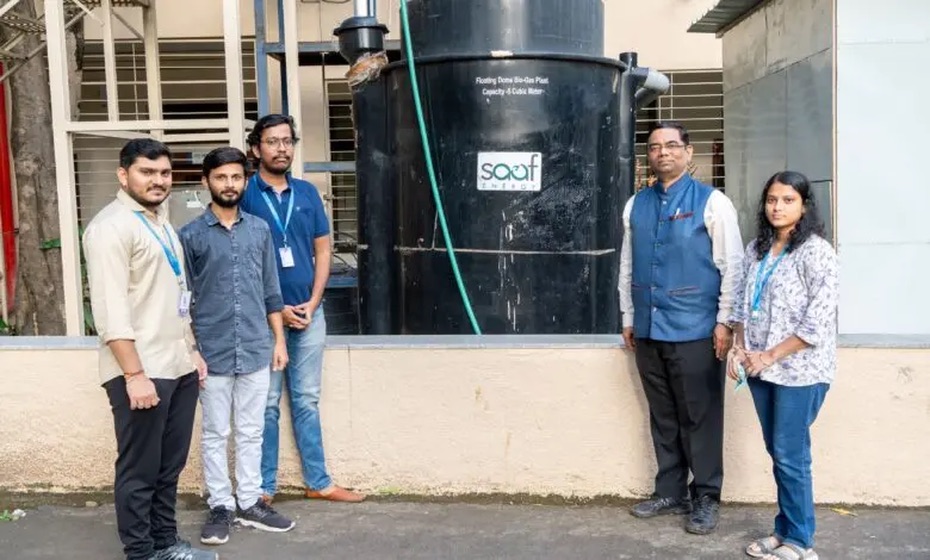
MIT World Peace University (MIT-WPU) in India is advancing a carbon-negative process that promises to dramatically lower the cost of green hydrogen production while generating valuable biocharBiochar is a carbon-rich material created from biomass decomposition in low-oxygen conditions. It has important applications in environmental remediation, soil improvement, agriculture, carbon sequestration, energy storage, and sustainable materials, promoting efficiency and reducing waste in various contexts while addressing climate change challenges. More and biofertilizer byproducts. This innovation is highly relevant to those already working with biochar, as it integrates its production into a scalable green energy solution.
Carbon-Negative Hydrogen at $1/kg
The patented technology produces green hydrogen and BioCNG from mixed agricultural waste, hitting a reported production cost of just $1/kg (approximately ₹83). This is less than half the current cost of hydrogen from electrolysis. Crucially, the process claims to achieve this with zero direct CO₂ emissions, entirely bypassing the need for expensive carbon capture infrastructure. The system leverages the gas from anaerobic digestion, upgrading high-methane biogas via a plant-derived catalytic pyrolysisPyrolysis is a thermochemical process that converts waste biomass into bio-char, bio-oil, and pyro-gas. It offers significant advantages in waste valorization, turning low-value materials into economically valuable resources. Its versatility allows for tailored products based on operational conditions, presenting itself as a cost-effective and efficient More system to yield the hydrogen.
Feedstock Flexibility and Valuable Byproducts
Unlike many biomass-to-hydrogen efforts that require a single feedstockFeedstock refers to the raw organic material used to produce biochar. This can include a wide range of materials, such as wood chips, agricultural residues, and animal manure. More, the MIT-WPU process handles mixed agro-waste, including seasonal residues like millet stalks. This flexibility is key to its scalability, particularly in regions facing varied or seasonal waste streams.
The system’s coproduction of biochar and patented smart-release biofertilizers is a major draw. These biofertilizers release NPK nutrients only when water is present, reducing reliance on urea and potentially mitigating soil salinity. With a 500kg/day pilot facility already running and demonstrating a 12% biomass-to-gas efficiency, the technology is attracting significant industry interest for tech transfer, positioning it as a major contributor to India’s decarbonization goals.
SOURCE: MIT-WPU Researchers Claim to Achieve $1/Kg Green Hydrogen with Carbon-Negative Agro-Waste Technology



Leave a Reply