
BiocharBiochar is a carbon-rich material created from biomass decomposition in low-oxygen conditions. It has important applications in environmental remediation, soil improvement, agriculture, carbon sequestration, energy storage, and sustainable materials, promoting efficiency and reducing waste in various contexts while addressing climate change challenges. More is gaining recognition for its potential in enhancing soil health and environmental sustainability. However, many misconceptions surround its physical properties. The latest volume in our ebook series on debunking biochar myths challenges these oversimplified assumptions, offering a deeper understanding of biochar’s complex nature.
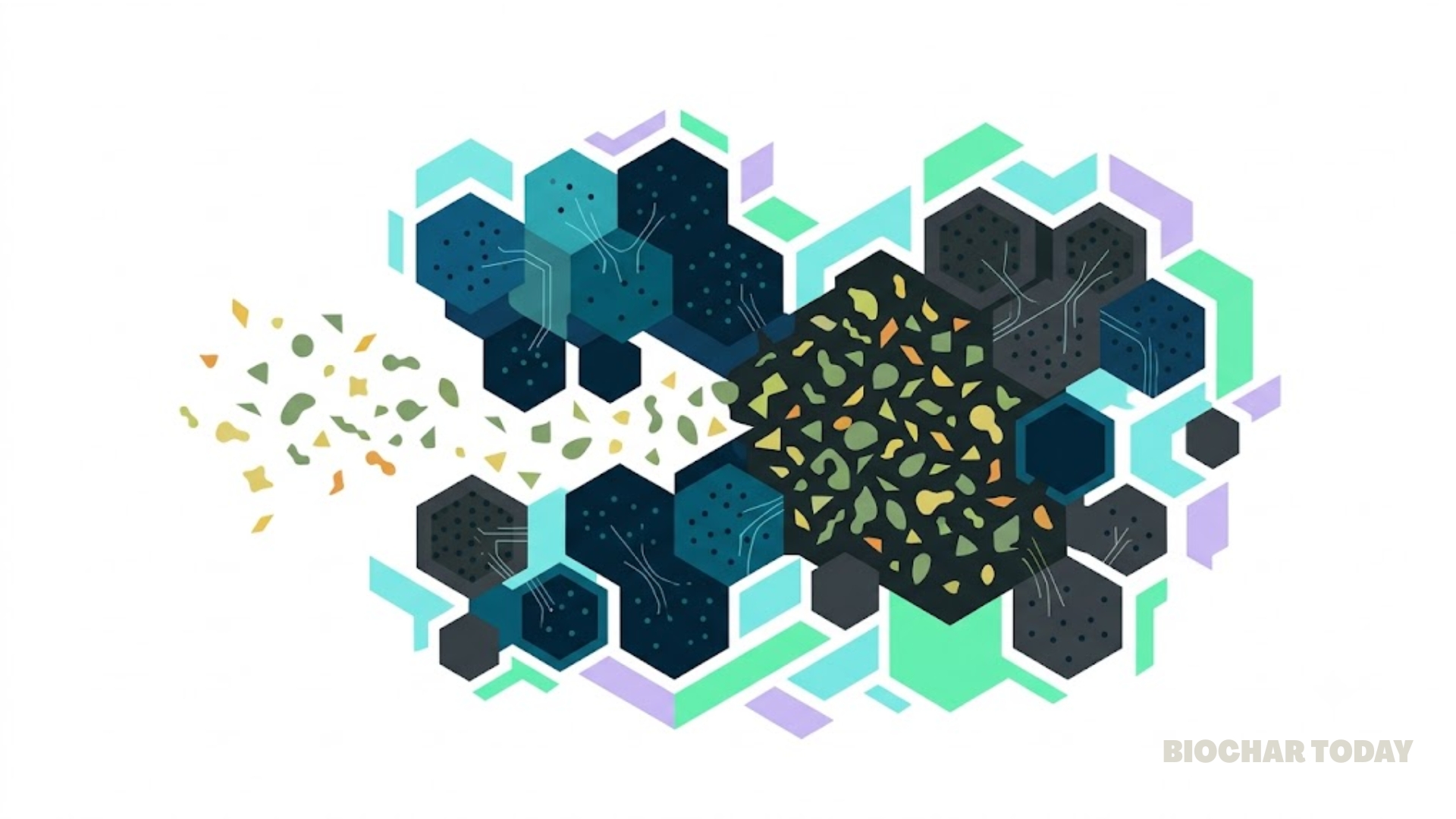
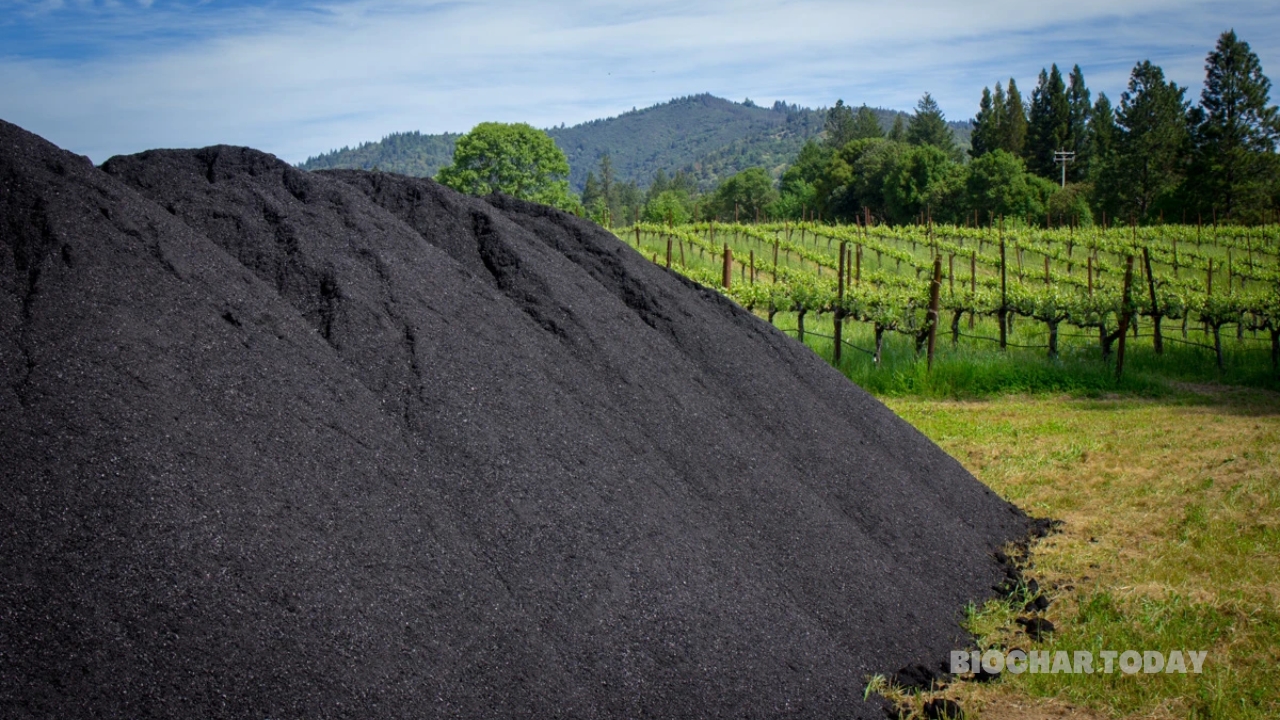
The ebook tackles prevalent myths about biochar’s appearance, asserting that it’s not always a uniform black powder. It emphasizes that biochar’s physical attributes, including density, particle size, surface area, and porosityPorosity of biochar is a key factor in its effectiveness as a soil amendment and its ability to retain water and nutrients. Biochar’s porosity is influenced by feedstock type and pyrolysis temperature, and it plays a crucial role in microbial activity and overall soil health. Biochar More, are highly variable and depend significantly on the feedstockFeedstock refers to the raw organic material used to produce biochar. This can include a wide range of materials, such as wood chips, agricultural residues, and animal manure. More and production process.
We further explore how pyrolysis conditionsThe conditions under which pyrolysis takes place, such as temperature, heating rate, and residence time, can significantly affect the properties of the biochar produced. More, such as temperature and heating rate, profoundly influence biochar’s structure and properties. It also discusses how biochar’s physical properties evolve over time in different environments.
This ebook is essential for anyone seeking to maximize biochar’s benefits. By debunking myths and providing scientific insights, it equips readers with the knowledge to select and utilize biochar effectively.


Leave a Reply