
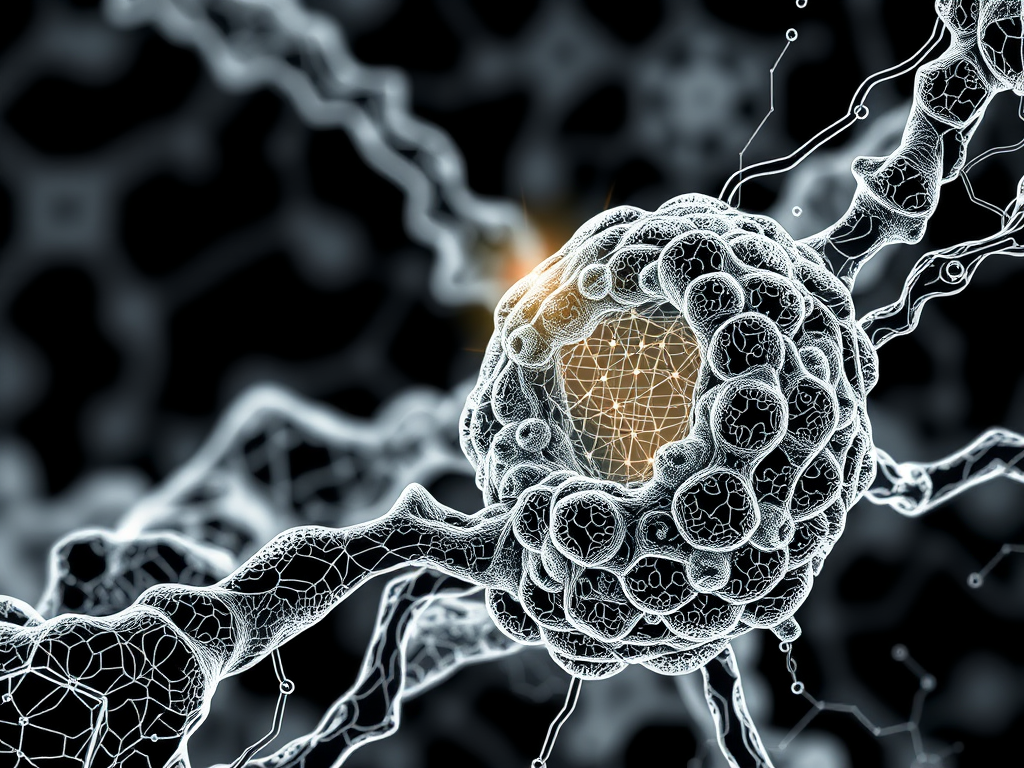
Have you ever considered that the remnants of burnt biomassBiomass is a complex biological organic or non-organic solid product derived from living or recently living organism and available naturally. Various types of wastes such as animal manure, waste paper, sludge and many industrial wastes are also treated as biomass because like natural biomass these More could hold the key to revolutionary advancements in medicine? It sounds like something straight out of an alchemist’s lab, doesn’t it? Yet, a fascinating field is emerging, exploring the incredible potential of biocharBiochar is a carbon-rich material created from biomass decomposition in low-oxygen conditions. It has important applications in environmental remediation, soil improvement, agriculture, carbon sequestration, energy storage, and sustainable materials, promoting efficiency and reducing waste in various contexts while addressing climate change challenges. More – that seemingly simple material – in the complex world of drug delivery and biomedicine. Forget dusty old charcoalCharcoal is a black, brittle, and porous material produced by heating wood or other organic substances in a low-oxygen environment. It is primarily used as a fuel source for cooking and heating. More briquettes; we’re talking about a carefully crafted carbonaceous material with properties that scientists are just beginning to fully understand and exploit.
For our readers, the term “biochar” is likely familiar, often associated with its remarkable abilities in soil amendmentA soil amendment is any material added to the soil to enhance its physical or chemical properties, improving its suitability for plant growth. Biochar is considered a soil amendment as it can improve soil structure, water retention, nutrient availability, and microbial activity. More, carbon sequestration, and even water purification. But prepare to have your perception broadened. This isn’t just about enriching our soils; biochar is stepping into the limelight of biomedical research, promising innovative solutions for how we treat diseases and manage our health.
So, what exactly is this “black gold” in the context of medicine? Let’s dig into the fascinating world of biochar and uncover its surprising journey into the realm of biomedicine.
Defining and Creating Biochar as a waste derived wonder
At its core, biochar is a stable, carbon-rich material born from a process called pyrolysisPyrolysis is a thermochemical process that converts waste biomass into bio-char, bio-oil, and pyro-gas. It offers significant advantages in waste valorization, turning low-value materials into economically valuable resources. Its versatility allows for tailored products based on operational conditions, presenting itself as a cost-effective and efficient More as we all know. This thermal transformation, occurring at temperatures typically between 300 and 700°C (and sometimes ranging even wider), prevents the biomass from completely combusting into ashAsh is the non-combustible inorganic residue that remains after organic matter, like wood or biomass, is completely burned. It consists mainly of minerals and is different from biochar, which is produced through incomplete combustion. Ash Ash is the residue that remains after the complete More. Instead, it transforms into a more stable, carbonaceous form – biochar. What’s truly captivating is the sheer versatility of the feedstocks. The fact that we can potentially repurpose so many different types of organic waste into something with such high-value applications underscores the sustainability aspect that makes biochar so compelling across various fields.
The magic, however, lies not just in the raw materials but also in the how of its creation. Different thermochemical conversion methods, each with its own nuances, can be employed to produce biochar. Slow pyrolysis, fast pyrolysis, flash pyrolysis, hydrothermal carbonization, gasificationGasification is a high-temperature, thermochemical process that converts carbon-based materials into a gaseous fuel called syngas and solid by-products. It takes place in an oxygen-deficient environment at temperatures typically above 750°C. Unlike combustion, which fully burns material to produce heat and carbon dioxide (CO2), gasification More, and torrefaction – these aren’t just fancy scientific terms; they represent different ways of coaxing out the desired properties from the biomass. The specific method used significantly influences the final characteristics of the biochar, such as its surface area, porosityPorosity of biochar is a key factor in its effectiveness as a soil amendment and its ability to retain water and nutrients. Biochar’s porosity is influenced by feedstock type and pyrolysis temperature, and it plays a crucial role in microbial activity and overall soil health. Biochar More, and chemical composition – all of which play a crucial role in its biomedical applications.
More than just carbon in Biomedical arena
Why is this seemingly simple carbon material generating so much excitement in the medical community? The answer lies in its unique physicochemical properties as follows.
- High Surface Area and Porosity. Think of biochar as a microscopic sponge. Its intricate network of pores and vast surface area provide ample space for drug molecules to be loaded and potentially released in a controlled manner. This is a game-changer in drug delivery, where achieving targeted and sustained release is often a major challenge.
- Biocompatibility. Early research suggests that biochar, when properly prepared and purified, exhibits good biocompatibility, meaning it doesn’t elicit harmful responses from biological systems. This is a fundamental requirement for any material intended for biomedical use.
- Surface Functionalization. The surface of biochar isn’t inert. It can be modified or “functionalized” with various chemical groups to enhance its interaction with specific drugs or biological targets. Imagine attaching “homing beacons” to the biochar particles that guide them directly to cancerous cells, for instance.
- Adsorption Capabilities. Biochar’s inherent ability to adsorb various molecules can be harnessed for drug delivery, allowing it to bind to drug molecules and protect them until they reach their intended site of action.
These properties open up a world of possibilities for biochar in various biomedical applications, with drug delivery taking center stage.
Emerging role of biochar in Drug Delivery
The traditional methods of drug delivery often face limitations, including poor drug solubility, rapid degradation in the body, non-specific targeting leading to side effects, and the need for frequent high doses. Biochar-based drug delivery systems offer a promising alternative by potentially overcoming these hurdles. Imagine tiny biochar particles, loaded with therapeutic agents, navigating through the body to precisely deliver their payload to diseased tissues or cells. The porous structure of biochar can act as a reservoir, allowing for a gradual and sustained release of the drug, reducing the need for frequent dosing and maintaining therapeutic levels for longer periods.
Furthermore, the ability to functionalize the surface of biochar opens doors for targeted drug delivery. By attaching specific molecules that recognize receptors on target cells (like cancer cells), we could potentially direct the drug-loaded biochar particles specifically to the site of disease, minimizing exposure to healthy tissues and reducing side effects – a holy grail in cancer therapy. The research in this area is still in its early stages, but the initial findings are incredibly encouraging. Studies are exploring the use of biochar for delivering a wide range of therapeutic agents, from conventional drugs to more complex biomolecules like proteins and nucleic acids.
Biochar’s expanding biomedical horizon beyond drug delivery
Biochar is emerging as a versatile tool in biomedicine, extending beyond drug delivery to drive innovation in several key areas. Research is exploring its use in highly sensitive biosensors, advanced wound healing technologies, tissue engineering scaffolds, and its potential for toxin removal, opening new avenues for diagnosis and treatment. The following are the most recent potential areas where biochar has a great potential application.
- Biosensing. The unique electrochemical properties of biochar are being explored for the development of highly sensitive biosensors. Recent research, for example, highlights the use of wood biochar for the amperometric sensing of ammonia, which could have implications for early screening of chronic kidney disease. Another exciting development involves a cutting-edge sensor enhanced with biochar for detecting the vital amino acid L-tryptophan. These applications showcase biochar’s ability to interact with and detect specific biomolecules, opening avenues for non-invasive and early disease diagnosis.
- Wound Healing. The porous structure and potential for surface modification make biochar an interesting candidate for wound dressings. It could potentially absorb wound exudates, promote tissue regeneration, and even deliver antimicrobial agents to prevent infection.
- Tissue Engineering. Some studies are investigating the use of biochar as a scaffold material in tissue engineering. Its biocompatibility and porous structure could provide a framework for cells to grow and regenerate damaged tissues.
- Adsorbent in Biological Systems. Just as biochar can adsorb pollutants from water and soil, it might also be used to adsorb toxins or harmful substances within the body, although this area requires careful investigation to ensure safety and efficacy.
Challenges and future directions in navigating the path to clinical application
While biochar holds significant promise for biomedical applications, translating research into clinical reality is rarely straightforward. Several challenges must be addressed to fully unlock its potential. Firstly, standardization and characterization are crucial. Given the diverse range of feedstocks and production methods, achieving consistent and well-characterized biochar is essential for biomedical applications. This necessitates the development of robust standards and analytical methods to ensure reproducibility and safety. Secondly, biocompatibility and safety are paramount. While initial studies may suggest good biocompatibility, thorough and long-term evaluations are necessary. This is vital to fully understand the potential interactions of biochar with biological systems and to rule out any adverse effects.
The advancements in targeting and controlled release mechanisms are needed. Developing sophisticated methods for targeted drug delivery and precisely controlled release from biochar carriers remains an ongoing area of research. Additionally, scalability and cost-effectiveness are important considerations. For widespread clinical adoption, the production of high-quality biochar for biomedical applications needs to be scalable and cost-effective, ensuring accessibility. Finally, regulatory hurdles must be overcome. Like any new medical technology, biochar-based therapies will need to navigate stringent regulatory pathways to establish their safety and efficacy before they can reach patients.
Despite these challenges, the momentum in this field is undeniable. Researchers are actively working on optimizing biochar production, functionalizing its surface for specific applications, and conducting rigorous preclinical studies. Collaborations between materials scientists, biologists, and clinicians will be essential to translate the exciting findings from the lab into tangible benefits for human health.
A sustainable solution for a healthier future?
What makes the prospect of biochar in biomedicine particularly exciting is its inherent link to sustainability. By utilizing waste biomass as a feedstockFeedstock refers to the raw organic material used to produce biochar. This can include a wide range of materials, such as wood chips, agricultural residues, and animal manure. More, we are not only creating a potentially valuable medical material but also contributing to a more circular economy and reducing our reliance on non-renewable resources. This convergence of environmental benefits with cutting-edge medical innovation makes biochar a truly compelling material for the future.
As we continue to unknot the intricate properties of this “black gold,” it’s clear that biochar holds immense promise for revolutionizing drug delivery, diagnostics, and regenerative medicine. The journey is just beginning, but the initial discoveries are sparking a sense of wonder and anticipation. Keep an eye on this fascinating field – the modest biochar might just be a key player in shaping a healthier future for all.
References
- Zhuo, Qiao, et al. “Applications of biochar in medical and related environmental fields: current status and future perspectives.” Carbon Research 2.1 (2023): 32. https://doi.org/10.1007/s44246-023-00066-0
- Banga, Ivneet, et al. “Activated carbonActivated carbon is a form of carbon that has been processed to create a vast network of tiny pores, increasing its surface area significantly. This extensive surface area makes activated carbon exceptionally effective at trapping and holding impurities, like a molecular sponge. It is commonly More derived from wood biochar for Amperometric sensing of Ammonia for early screening of chronic kidney disease.” International Journal of Biological Macromolecules 253 (2023): 126894. https://pubmed.ncbi.nlm.nih.gov/37709225/
- Hosseini, et al (2024) Remote magnetically stimulated xanthan-biochar-Fe3O4-molecularly imprinted biopolymer hydrogel toward electrochemical enantioselection of l-tryptophan. Analytica Chimica Acta. https://doi.org/10.1016/j.aca.2024.342837
- Santos, D. C., Evaristo, R. B., Dutra, R. C., Suarez, P. A., Silveira, E. A., & Ghesti, G. F. (2025). Advancing Biochar Applications: A Review of Production Processes, Analytical Methods, Decision Criteria, and Pathways for Scalability and Certification. Sustainability, 17(6), 2685., https://www.mdpi.com/2071-1050/17/6/2685
- Bio-Char IV – Engineering Conferences International. https://engconf.us/conferences/materials-science-including-nanotechnology/bio-char-iv/
- Clinical Translation Overview – Purdue Institute for Drug Discovery, accessed May 19, 2025, https://www.purdue.edu/discoverypark/drug-discovery/clinical-translation/index.php
- Tehseen et al., NANOPARTICLE-ENHANCED REGENERATIVE MEDICINE: A COMPREHENSIVE REVIEW ON APPLICATIONS, ADVANCES, AND DRUG DELIVERY SYSTEMS(2024). Journal of Population Therapeutics and Clinical Pharmacology, 31(6), 929-954. https://doi.org/10.53555/jptcp.v31i6.6589
- Bhandari, G., Gangola, S., Dhasmana, A., Rajput, V., Gupta, S., Malik, S., & Slama, P. (2023). Nano-biochar: recent progress, challenges, and opportunities for sustainable environmental remediation. Front Microbiol. https://doi.org/10.3389/fmicb.2023.1214870
- Guo, Z., Zhang, Y., Gan, S., He, H., Cai, N., Xu, J., … & Pan, X. (2022). Effective degradation of COVID-19 related drugs by biochar-supported red mud catalyst activated persulfate process: Mechanism and pathway. Journal of Cleaner Production, 340, 130753. https://doi.org/10.1016/j.jclepro.2022.130753



Leave a Reply