
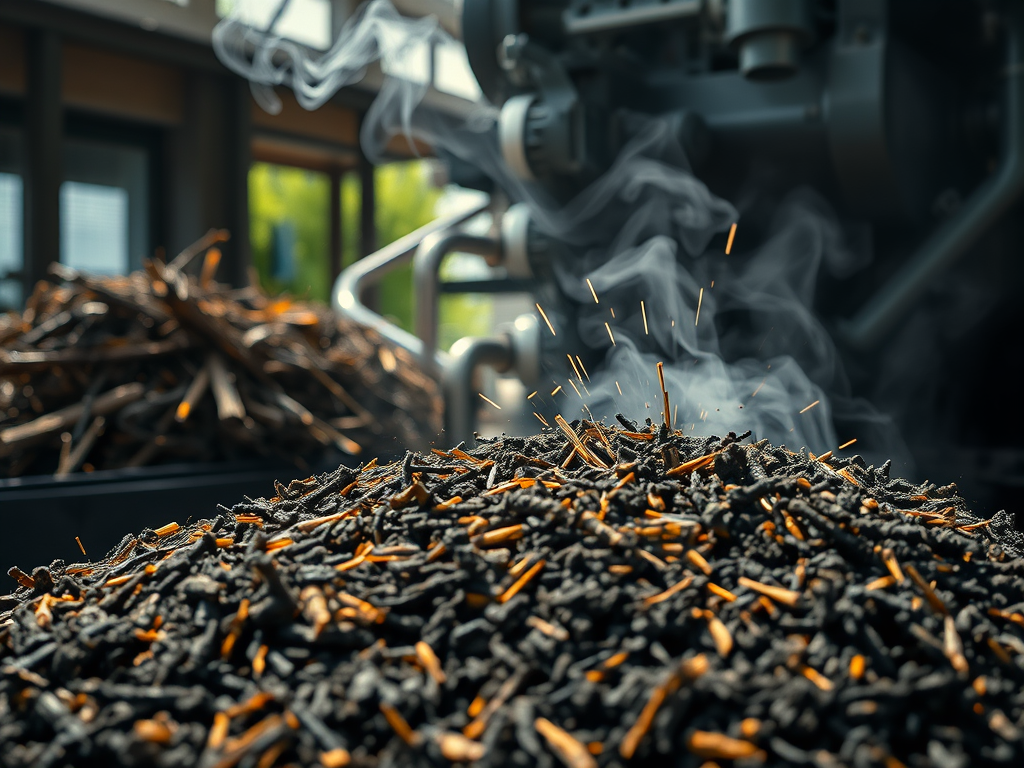
The global push for sustainability has brought the concept of a circular economy to the forefront of environmental discussion. Unlike the traditional linear model of take-make-dispose, a circular economy aims to eliminate waste by keeping resources in use for as long as possible. One of the most promising materials driving this paradigm shift is biocharBiochar is a carbon-rich material created from biomass decomposition in low-oxygen conditions. It has important applications in environmental remediation, soil improvement, agriculture, carbon sequestration, energy storage, and sustainable materials, promoting efficiency and reducing waste in various contexts while addressing climate change challenges. More with a complex and powerful role in environmental management. Driving towards sustainability, delves into the multifaceted potential of biochar. It reveals how this versatile material can be produced from waste and used to address some of our most pressing environmental challenges, from waste management and climate change to soil degradation and water pollution. This is not just a theoretical model; it’s a tangible, cost-effective, and sustainable solution already making an impact.
The Science of Sustainable Transformation
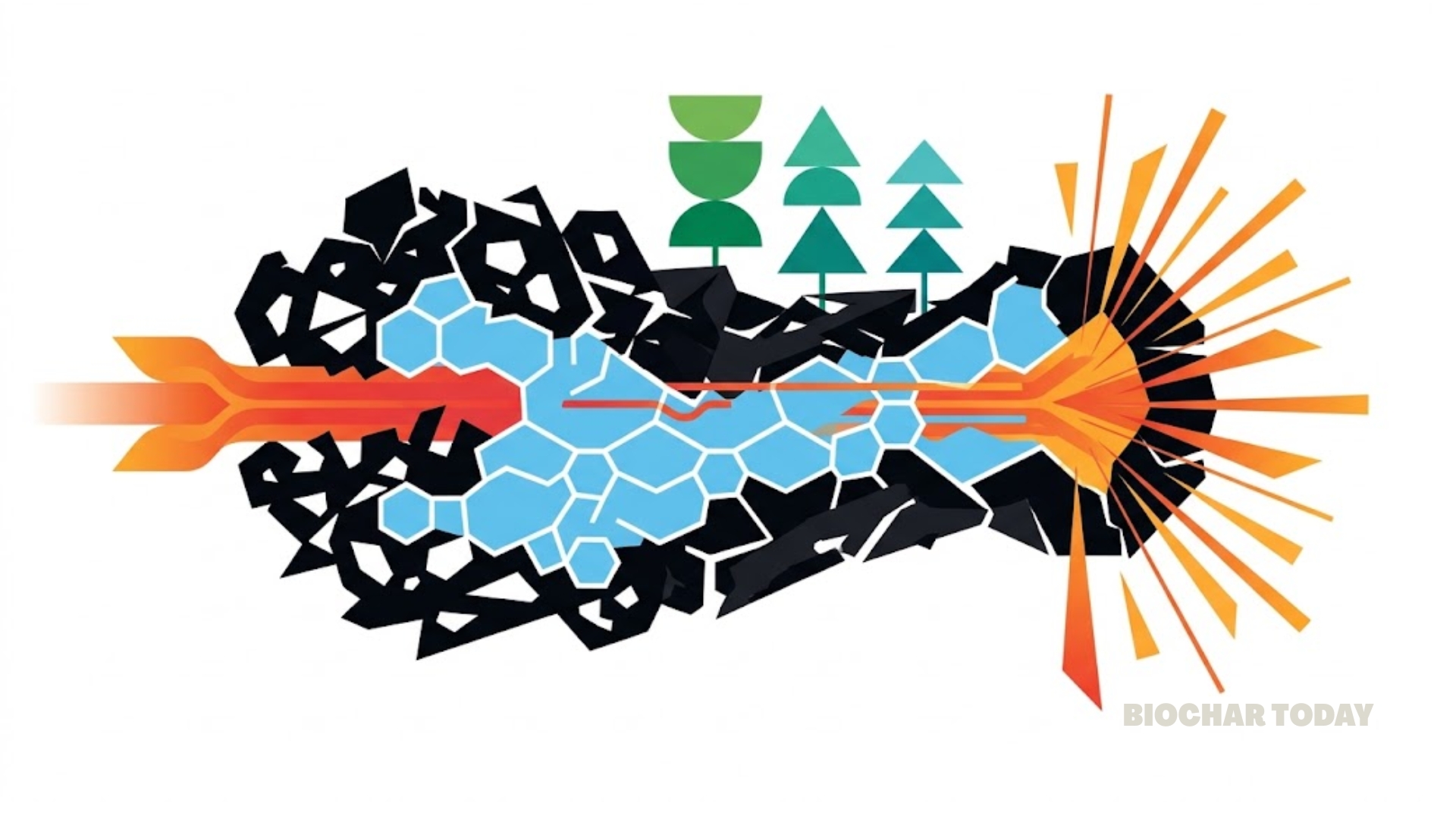
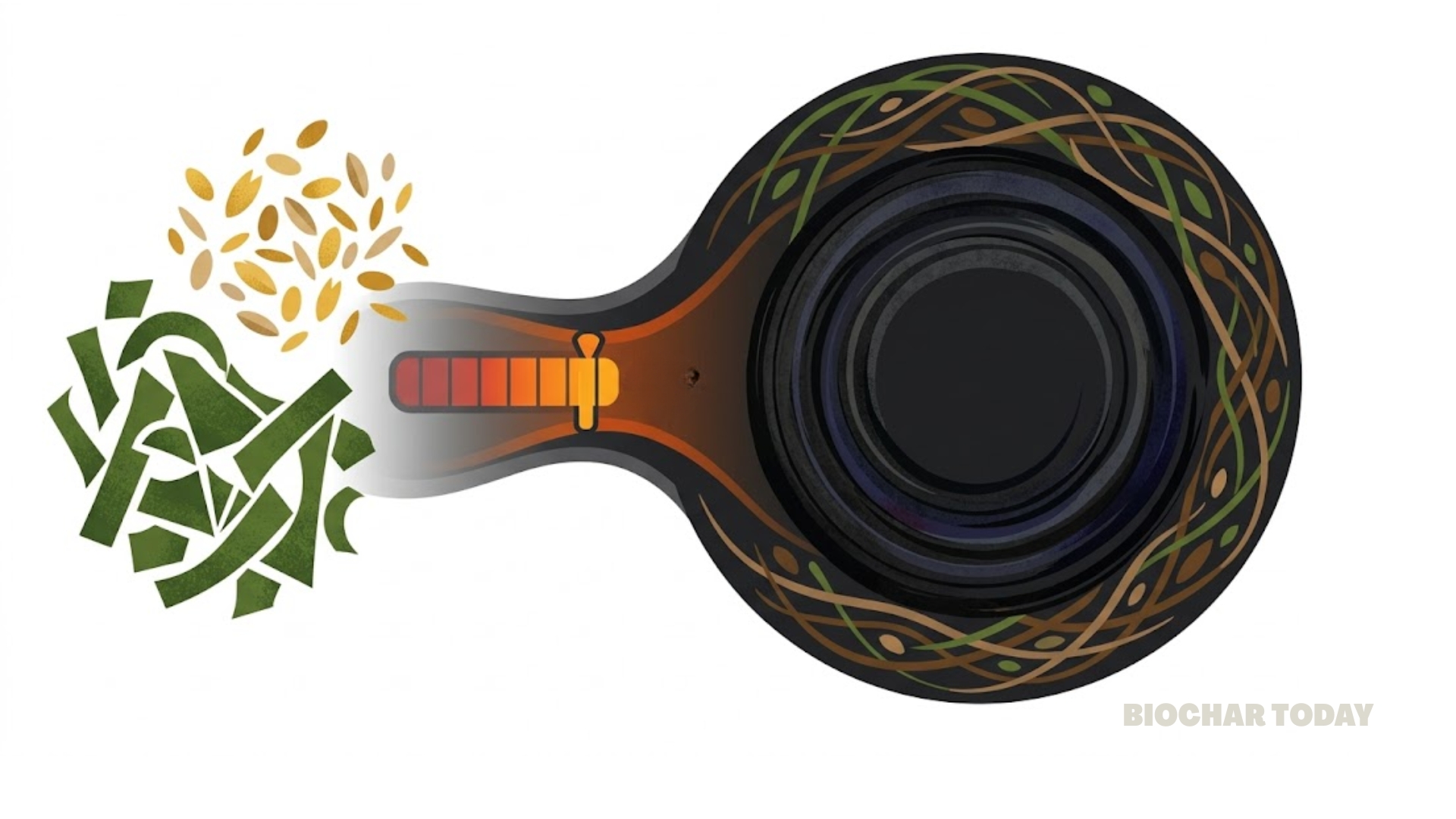
This process involves heating organic matter—from agricultural waste and forest residues to animal manure and even municipal waste—at high temperatures, ranging from 200∘C to 900∘C, in a low-oxygen or oxygen-free environment. The primary methods used for this conversion are pyrolysisPyrolysis is a thermochemical process that converts waste biomass into bio-char, bio-oil, and pyro-gas. It offers significant advantages in waste valorization, turning low-value materials into economically valuable resources. Its versatility allows for tailored products based on operational conditions, presenting itself as a cost-effective and efficient More, the most common method that breaks down biomassBiomass is a complex biological organic or non-organic solid product derived from living or recently living organism and available naturally. Various types of wastes such as animal manure, waste paper, sludge and many industrial wastes are also treated as biomass because like natural biomass these More into biochar, bio-oil, and a non-condensable gas; gasificationGasification is a high-temperature, thermochemical process that converts carbon-based materials into a gaseous fuel called syngas and solid by-products. It takes place in an oxygen-deficient environment at temperatures typically above 750°C. Unlike combustion, which fully burns material to produce heat and carbon dioxide (CO2), gasification More, a process that yields a synthetic gas (syngasSyngas, or synthesis gas, is a fuel gas mixture consisting primarily of hydrogen and carbon monoxide. It is produced during gasification and can be used as a fuel source or as a feedstock for producing other chemicals and fuels. More) alongside a smaller amount of biochar; and hydrothermal carbonization, a wet process that uses water under high pressure and temperature to create a carbon-rich hydrochar. The resulting biochar is physically and chemically distinct from its original feedstockFeedstock refers to the raw organic material used to produce biochar. This can include a wide range of materials, such as wood chips, agricultural residues, and animal manure. More. High temperatures cause the biomass’s complex chemical elements to undergo depolymerization, decomposition, and cross-linking, which results in a stable, porous structure with a large specific surface area and a high concentration of carbon. These unique properties are what give biochar its incredible versatility. The quality and quantity of biochar produced are highly dependent on the feedstock type, the specific production technology, and process parameters such as temperature and heating rate, all of which ultimately dictate its suitability for various applications
Biochar’s Pivotal Role in a Circular Economy
The beauty of biochar lies in its ability to close the resource loop across multiple sectors. The circular economy model based on biochar is a testament to the power of upcycling—taking a low-value waste material and converting it into a high-value resource.
1. Waste Management and Resource Recovery
At its core, biochar production is an innovative waste management strategy. Instead of sending enormous quantities of agricultural, industrial, or urban waste to landfills, it can be repurposed to create a valuable product. This reduces the burden on waste disposal systems and lowers associated costs. As the study points out, converting agricultural waste to biochar is particularly appealing due to the cost-effectiveness and easy accessibility of the feedstock. This simple diversion from landfill to production is the first and most critical step in establishing a circular economy.
2. Environmental Restoration and Remediation
Biochar’s porous structure makes it an exceptional natural adsorbent, a property that is effectively harnessed in environmental remediation efforts. For water treatment, biochar acts as an effective and sustainable filter to remove a wide range of pollutants from wastewater, including heavy metals, pesticides, pharmaceuticals, and other organic contaminants. This offers a low-cost alternative to more energy-intensive treatment methods. Similarly, for soil remediation, biochar can be applied to contaminated land to immobilize heavy metals and other toxins, which reduces their bioavailability and prevents them from harming plants and microorganisms. By using biochar produced from waste to treat contaminated soil and water, we are effectively using a repurposed material to clean up the environment, thus completing a powerful resource loop.
3. Enhancing Agricultural Sustainability
Biochar is a cornerstone of sustainable farming due to its many agricultural benefits. It significantly improves soil structure and water retention, acting as a liming agent to raise soil pHpH is a measure of how acidic or alkaline a substance is. A pH of 7 is neutral, while lower pH values indicate acidity and higher values indicate alkalinity. Biochars are normally alkaline and can influence soil pH, often increasing it, which can be beneficial More and enhance nutrient availability. With its high cation exchange capacity (CEC), biochar can effectively retain essential plant nutrients like nitrogen and phosphorus, preventing them from leachingLeaching is the process where nutrients are dissolved and carried away from the soil by water. This can lead to nutrient depletion and environmental pollution. Biochar can help reduce leaching by improving nutrient retention in the soil. More into groundwater and reducing the reliance on chemical fertilizers. Furthermore, biochar’s most significant benefit is its role in climate change mitigation through carbon sequestration. When incorporated into soil, it provides a stable, long-term carbon sink, locking away carbon for hundreds to thousands of years and preventing the release of greenhouse gases like carbon dioxide (CO)and methane (CH) that would otherwise occur from decomposing biomass.
4. The Potential for Energy and Beyond
The thermochemical processes that produce biochar are not wasteful. The by-products—bio-oil and syngas—can be captured and utilized as renewable energy sources, generating heat and power. This makes the entire process energy-efficient and self-sustaining, further solidifying its role in a circular economy. Furthermore, biochar’s properties are being explored for innovative applications, such as a promoter in anaerobic digestion to increase biogas yield, an additive in construction materials, and a precursor for catalysts.

The Path to Commercialization: Overcoming Barriers
Despite its immense potential, the full-scale commercialization of biochar faces several significant barriers. Technological constraints make it challenging to ensure consistent quality and yield when using different feedstocks and production methods. Additionally, the industry is hampered by regulatory issues, as a lack of standardized regulations and clear policies can deter investment and large-scale adoption. Finally, market and economic hurdles present a challenge, particularly the high upfront cost of production and the necessity of demonstrating a clear economic value to end-users, such as farmers. To overcome these obstacles, a comprehensive cost-benefit analysis is crucial. The value proposition of biochar must be expanded beyond just its environmental benefits to include tangible economic returns from factors like reduced fertilizer use, increased crop yields, and potential income from carbon credits.
A Vision for a Sustainable Future
The use of biochar represents a pivotal and transformative shift in how humanity views and manages waste. It is a powerful illustration of a fundamental principle: that a discarded material, once considered a liability, can be converted into a valuable asset that actively drives environmental sustainability. The journey from organic waste to a stable, carbon-rich material is more than just an efficient process; it is a simple, yet profoundly effective, treatment alternative that serves as a cornerstone for a stronger, more robust circular economy. By integrating biochar into our systems, we are not just managing waste—we are closing the loop on waste and resource management in a tangible way. This allows us to move beyond the linear “take-make-dispose” model towards a regenerative one. The journey begins with a problem, such as agricultural or municipal waste, and concludes with a solution that empowers us on multiple fronts. It empowers us to protect our environment by diverting waste from landfills and actively sequestering carbon to combat climate change. It empowers us to improve agriculture by enriching soils, reducing the need for chemical fertilizers, and fostering greater food security for future generations. Ultimately, it helps us build a more resilient and sustainable global economy by creating value from local resources, fostering green industries, and reducing our collective reliance on finite raw materials. The journey from waste to biochar is therefore far more than just a process; it is a proven and scalable blueprint for a circular, zero-waste future that is within our reach.
References
Ahmed, S. F., Mehejabin, F., Chowdhury, A. A., Almomani, F., Khan, N. A., Badruddin, I. A., & Kamangar, S. (2024). Biochar produced from waste‐based feedstocks: Mechanisms, affecting factors, economy, utilization, challenges, and prospects. GCB Bioenergy, 16(8), e13175. https://doi.org/10.1111/gcbb.13175
Afshar, M., & Mofatteh, S. (2024). Biochar for a sustainable future: Environmentally friendly production and diverse applications. Results in Engineering, 23, 102433. https://doi.org/10.1016/j.rineng.2024.102433
Anokye, K. (2024). From waste to wealth: Exploring biochar’s potential in energy generation and waste mitigation. Cleaner and Circular Bioeconomy, https://doi.org/10.1016/j.clcb.2024.100101
Upadhyay, V., Choudhary, K. K., & Agrawal, S. B. (2024). Use of biochar as a sustainable agronomic tool, its limitations and impact on environment: a review. Discover Agriculture, 2(1), 20.https://doi.org/10.1007/s44279-024-00033-2


Leave a Reply