

This post is a summary of “Nos villes doivent être plus perméables : comment le biochar peut être une solution durable face aux inondations” written by Lydia Freda for The Conversation.
Flooding has become an increasingly common and destructive phenomenon in cities around the world. As climate change intensifies and precipitation patterns become more erratic, urban areas are particularly vulnerable to the damaging effects of heavy rainfall. Traditional methods of flood control, such as concrete drainage systems and levees, often have negative environmental and social impacts. In this context, researchers are exploring innovative and sustainable solutions to mitigate urban flooding. One promising approach involves making our cities more permeable, allowing rainwater to infiltrate the ground rather than accumulate on impervious surfaces.
The Problem with Impermeable Cities
Traditional urban infrastructure, characterized by extensive use of asphalt and concrete, creates highly impermeable surfaces that prevent rainwater from infiltrating the soil. This runoff accumulates and overwhelms drainage systems, leading to flooding, erosion, and pollution. Additionally, impermeable surfaces contribute to the urban heat island effect, raising temperatures and further stressing ecosystems and human health.
The Biochar Solution
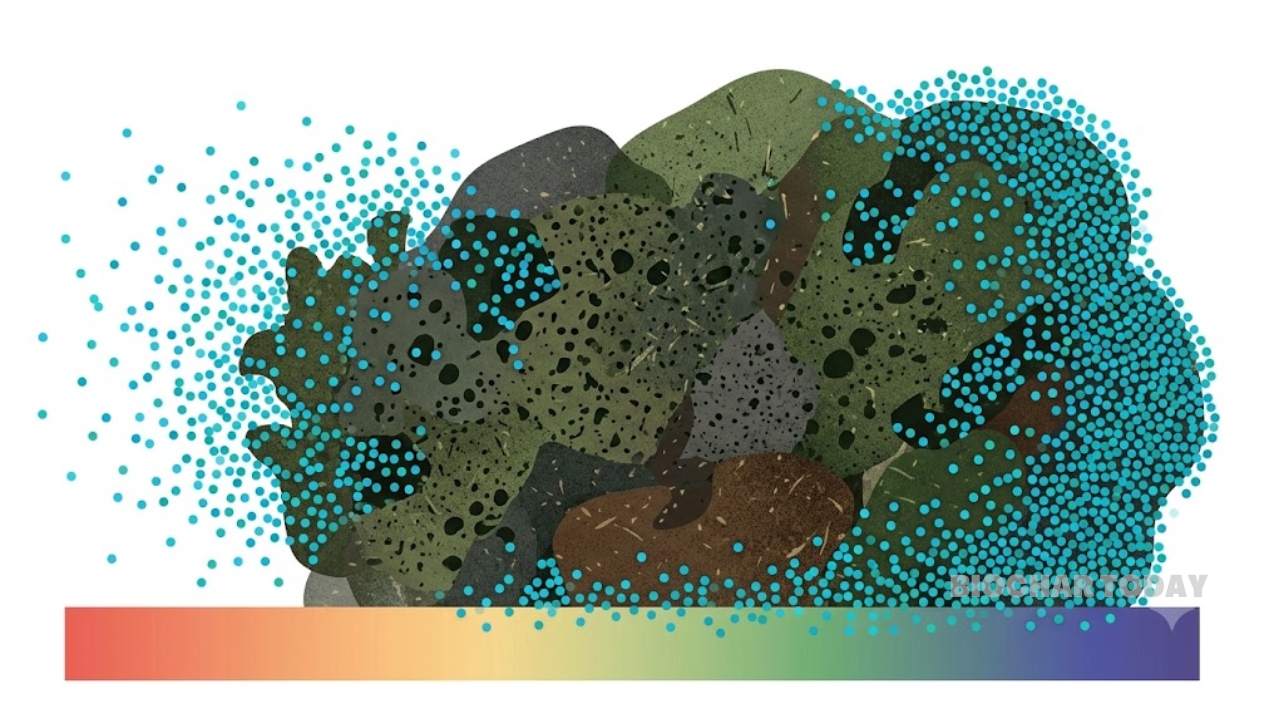
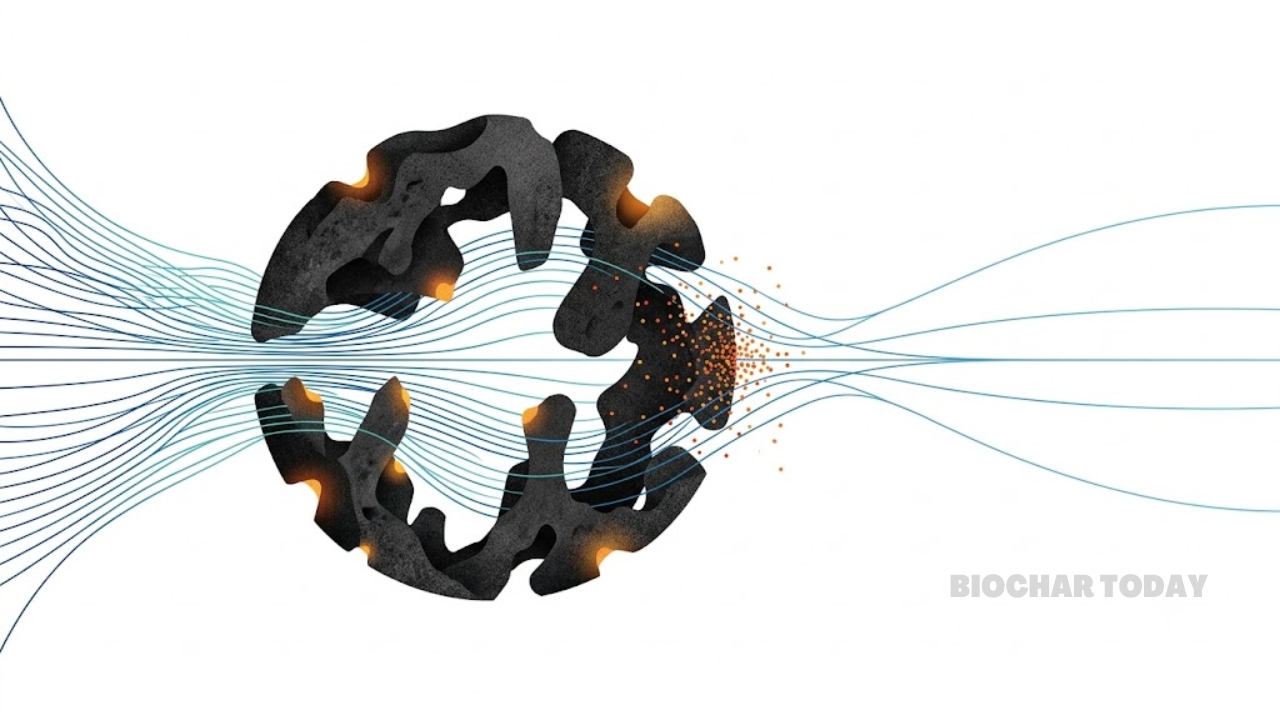
When incorporated into soil, biocharBiochar is a carbon-rich material created from biomass decomposition in low-oxygen conditions. It has important applications in environmental remediation, soil improvement, agriculture, carbon sequestration, energy storage, and sustainable materials, promoting efficiency and reducing waste in various contexts while addressing climate change challenges. More acts as a sponge, increasing its porosityPorosity of biochar is a key factor in its effectiveness as a soil amendment and its ability to retain water and nutrients. Biochar’s porosity is influenced by feedstock type and pyrolysis temperature, and it plays a crucial role in microbial activity and overall soil health. Biochar More and water-holding capacity. This allows rainwater to infiltrate the ground more readily, reducing surface runoff and the risk of flooding.
Benefits of Biochar for Flood Control
- Reduced flooding: By increasing soil permeability, biochar helps rainwater infiltrate the ground, reducing surface runoff and alleviating pressure on drainage systems.
- Improved water quality: Biochar filters pollutants and contaminants from rainwater as it percolates through the soil, contributing to cleaner waterways.
- Enhanced soil health: Biochar improves soil fertility by providing nutrients and habitat for beneficial microorganisms.
- Reduced greenhouse gas emissions: Biochar production captures and stores carbon dioxide from the atmosphere, contributing to climate change mitigation.
- Sustainable resource management: Biochar utilizes waste biomassBiomass is a complex biological organic or non-organic solid product derived from living or recently living organism and available naturally. Various types of wastes such as animal manure, waste paper, sludge and many industrial wastes are also treated as biomass because like natural biomass these More,diverting it from landfills and promoting circular economy principles.
Implementing Biochar in Cities
Biochar can be incorporated into urban landscapes in various ways, such as:
- Amending existing soil in parks, gardens, and green spaces.
- Creating bioretention swales and rain gardens.
- Using biochar-infused concrete or asphalt in permeable pavements.
- Adding biochar to rooftop gardens and green roofs.
The Future of Biochar
While still in its early stages of adoption, biochar holds significant potential as a sustainable and effective solution to urban flooding. As research continues and production methods become more efficient, biochar is poised to play a crucial role in creating more resilient and livable cities.
Making our cities more permeable is essential for addressing the growing challenge of urban flooding. Biochar, with its unique properties and multiple benefits, emerges as a promising tool in this endeavor. By incorporating biochar into urban landscapes, we can create more resilient and sustainable cities that are better equipped to withstand the impacts of climate change and ensure a healthier future for generations to come.




Leave a Reply