
Many ventures struggle to balance environmental benefits with economic sustainability. Steen Rasmussen, the founder of Ikigai Carbon, believes he has found that balance. His venture studio is actively expanding profitable businesses across South America and Africa that convert waste into valuable resources, with biocharBiochar is a carbon-rich material created from biomass decomposition in low-oxygen conditions. It has important applications in environmental remediation, soil improvement, agriculture, carbon sequestration, energy storage, and sustainable materials, promoting efficiency and reducing waste in various contexts while addressing climate change challenges. More at the heart of their mission.
The company’s philosophy is based on the Japanese concept of Ikigai. As Rasmussen explains, “Ikigai is the summation of your life’s purpose, actually. It’s kind of taking a look at what you love to do, what you’re good at doing, what the world needs, and most importantly, what you can be paid for.” This harmony of passion, purpose, and profit guides Ikigai Carbon’s approach to tackling some of the planet’s most urgent environmental issues.
The Transformative Power of Biochar
Rasmussen’s interest in biochar grew from attending various climate conferences and developing a fascination with its tangible qualities. While many technologies aim to sequester carbon, biochar stands out because it produces a visible, useful, and physical product.
As Rasmussen states, “There’s all these different technologies for carbon removal out there, but biochar is actually something tangible you can physically see. You can see the benefits of it for the soil, and you’re taking a waste product and you’re turning it into something valuable that has more benefits besides the carbon.”
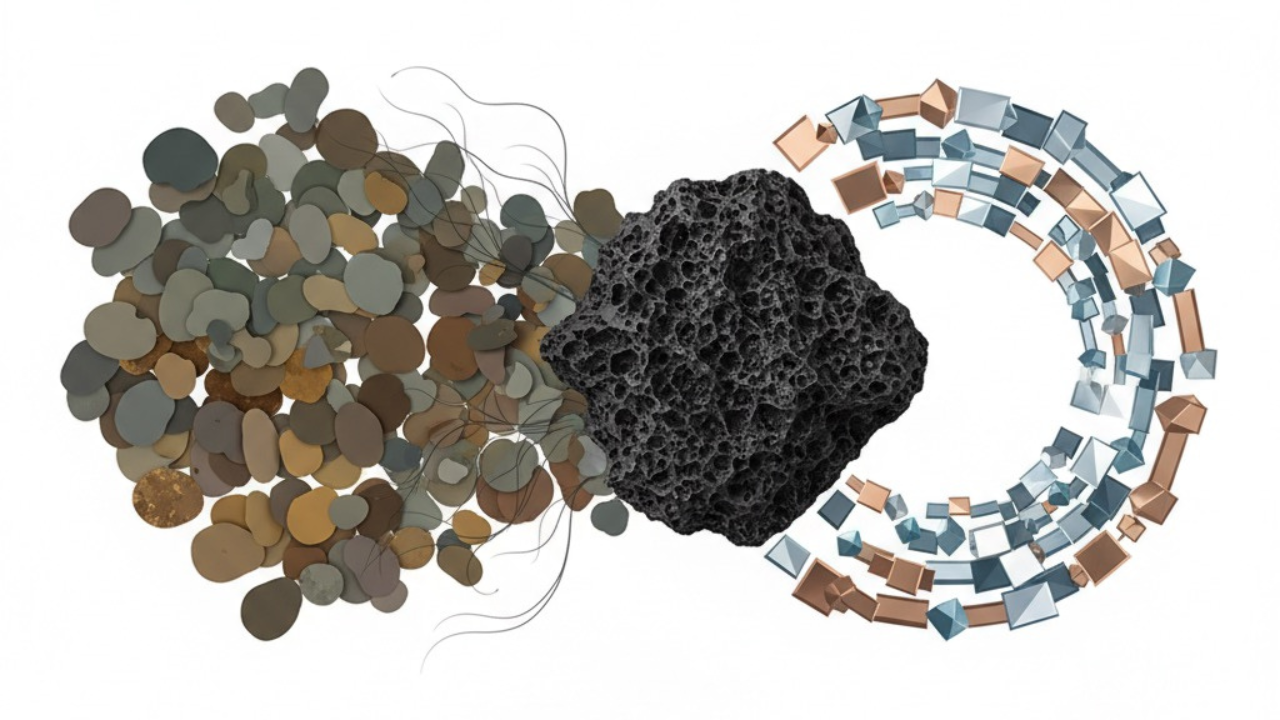
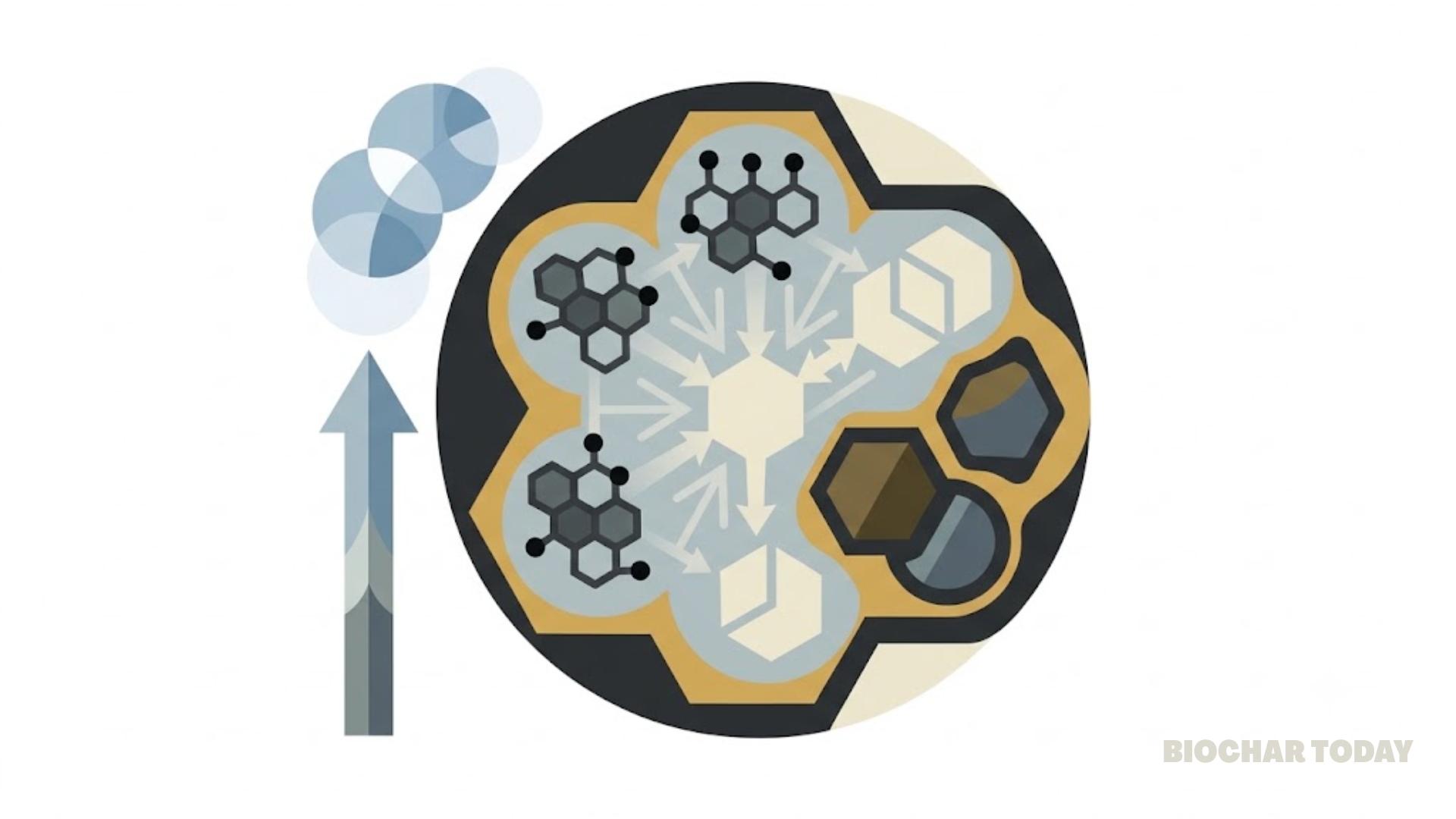
Biochar offers numerous benefits: it keeps carbon stored in the soil where it belongs, improves water retention, and functions as a powerful absorbent. A single sugar cube-sized piece has the surface area of a football field. This makes it useful for everything from enhancing agricultural soils to industrial applications like bioremediation in mining. With over a thousand potential uses, biochar can directly support heavy industries such as steel, concrete, and fertilizer production.
Scaling Impact in Africa and South America
Ikigai Carbon targets regions where the need and waste biomassBiomass is a complex biological organic or non-organic solid product derived from living or recently living organism and available naturally. Various types of wastes such as animal manure, waste paper, sludge and many industrial wastes are also treated as biomass because like natural biomass these More potential are greatest.
In Namibia, one of the world’s driest countries, the team is addressing a significant environmental problem: bush encroachment. This invasive shrub, which Rasmussen compares to “barbed wire,” consumes half of the country’s water resources and diminishes biodiversity. By harvesting this invasive brush, Ikigai Carbon transforms a nuisance into a valuable resource, producing biochar that is subsequently converted into organic fertilizer. The project includes a 20% community profit-sharing scheme and has already created jobs in rural communities.
In Colombia, the focus is on circular mining. The team employs a multi-stage process that uses biochar to remediate toxic mining tailings, common in regions impacted by artisanal mining. This process helps eliminate harmful substances like mercury and cyanide, facilitating resource recovery and environmental cleanup.
Challenges and a Long-Term Vision
Despite biochar’s advantages, Rasmussen notes that scaling globally remains a challenge primarily due to financing issues. While biochar projects can generate revenue from the physical product and environmental credits, banks often hesitate to fund projects because of the volatility in the carbon markets. As a result, Ikigai Carbon prioritizes project viability based on the physical product, ensuring that initiatives are sustainable without relying solely on carbon credits.
Rasmussen offers a critical view of the current voluntary carbon market, stating that “it has been gamed by a lot of things,” which has shifted focus toward costly, high-tech science projects rather than effective, affordable solutions like biochar that offer co-benefits.
His long-term vision is to expand their business model, reinvesting profits into new projects, and developing solutions that benefit the environment and foster climate resilience. He emphasizes the importance of maintaining a steady focus, saying, “It’s just having a long-term vision for success and that’s essentially what we’re focusing on.”
Looking ahead, the key opportunities over the next decade involve integrating biochar into existing industries—such as manufacturing bioplastics or producing better, more affordable fertilizers that can outperform petrochemical alternatives. For Ikigai Carbon, the aim is to leverage the ancient science of biochar to build a more sustainable and economically viable future.




Leave a Reply