

When it comes to environmental sustainability, municipalities often find themselves playing defense, reacting to climate change and managing waste streams. However, the City of Minneapolis, led by Carbon Sequestration Program Manager Jim Doten, has taken a proactive, “on the offensive” approach by pioneering a municipal biocharBiochar is a carbon-rich material created from biomass decomposition in low-oxygen conditions. It has important applications in environmental remediation, soil improvement, agriculture, carbon sequestration, energy storage, and sustainable materials, promoting efficiency and reducing waste in various contexts while addressing climate change challenges. More program. This initiative, North America’s first of its kind, demonstrates how a city can turn a local crisis into a carbon-negative climate solution.
The Genesis of a Municipal Biochar Program
Jim Doten’s journey to pioneering North America’s first municipal biochar program began unexpectedly during his military service in Afghanistan. While working on an agribusiness development team to improve economic stability, he observed that poor crop yields were not just a result of water scarcity but also severely depleted soils. His research led him to discover biochar as a solution to rebuild soil function and improve food security using local agricultural waste, such as cuttings from grapevines and almond trees. This early experience sparked a vision that he brought back to Minneapolis, where he saw numerous urban problems that biochar could address.
The Emerald Ash Borer Crisis and a Carbon-Negative Solution
The critical impetus for the Minneapolis program was the emerald ashAsh is the non-combustible inorganic residue that remains after organic matter, like wood or biomass, is completely burned. It consists mainly of minerals and is different from biochar, which is produced through incomplete combustion. Ash Ash is the residue that remains after the complete More borer crisis. Minnesota has one of the highest ash tree populations in the country, and Minneapolis is losing all of its public ash trees due to the infestation. This created a “wood tsunami,” overwhelming the city’s waste management system, which was designed to handle approximately 350,000 tons of wood waste annually but is currently experiencing 445,000 to 550,000 tons. Doten recognized this as an opportunity to responsibly manage the waste by converting it into a durable, stable form of carbon through biochar production, rather than allowing it to be openly burned and release carbon back into the atmosphere. He emphasizes that this program is the only “carbon negative” initiative the city has, framing it as a way to go “on the offense against climate change.” This approach is essential because, as Doten points out, a city cannot achieve carbon neutrality by simply cutting emissions; a carbon-negative component is necessary.
Overcoming Hurdles and Building a Collaborative Network
Launching the program required Doten to overcome significant challenges, including securing funding, navigating complex permitting and zoning, and building community support. A major breakthrough came when Minneapolis was awarded a $400,000 grant from Bloomberg Philanthropies. This recognition was a significant validation that helped secure buy-in from city leaders, including public works and elected officials, who had been skeptical.
To broaden the impact, Doten founded the Minnesota Biochar Initiative (MNBI) to unite various stakeholders, including universities, state agencies, and nonprofits. MNBI’s primary goals are to provide education, develop standards, and promote biochar use, aiming to make it a mainstream practice rather than a niche “one-off boutique demonstration.” This collaborative effort has attracted international attention through its “Char Talk” monthly webinars, which feature experts from around the world. These regional associations are crucial for addressing local conditions, feedstocks, and needs that a national organization can’t, a concept that Doten is actively promoting as a model for other areas.
Diverse Applications and Future Vision
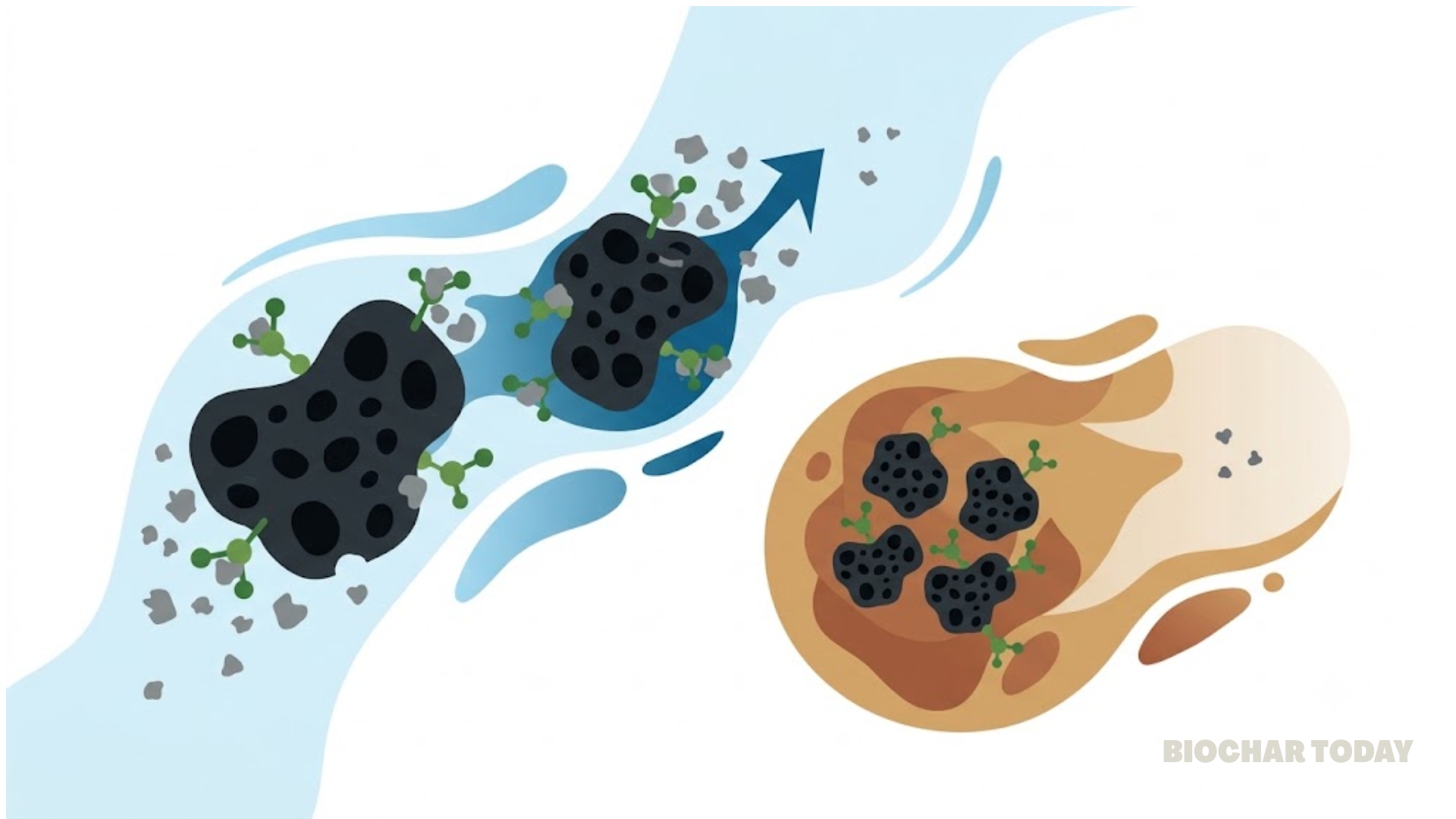
Minneapolis’s biochar program is distinguished by its unique urban applications, which extend beyond agriculture. The city’s Public Works department is a key partner, using biochar for stormwater management, treating contaminants, and improving plant survival in harsh boulevard environments. The Minnesota Department of Transportation (MnDOT) has also been a strong ally, working to develop specifications that will make engineers comfortable with incorporating biochar into large-scale transportation projects. Doten is particularly excited about using biochar to treat the “first flush” of rainwater from roadsides, which carries pollutants into waterways.
Doten’s vision is to create a sustainable, revenue-neutral operation by securing waste from sources like Xcel Energy, Hennepin County, and Metropolitan Transit. He also sees significant potential for biochar in sustainable building materials, such as non-critical concrete applications, and in a wide range of agricultural uses like nitrate management and bioreactors. The city also plans to generate and sell carbon credits, with the potential to retire those credits against its own carbon budget to help achieve its carbon neutrality goals.
The city’s work has positioned Minnesota as a leader in the field, which was a key reason for Minneapolis being chosen to host the 2025 North American Biochar Conference. Doten encourages young professionals and policymakers to view biochar as an essential component of a larger system, highlighting its role in enhancing soil microbial systems and creating a functional, resilient environment.
Takeaways and Lessons Learned
The Minneapolis biochar program offers a powerful case study for other municipalities and stakeholders. A key takeaway is the importance of problem-solving at the local level. Doten’s journey began by addressing a specific local issue—depleted soils in Afghanistan—and evolved to tackle a city-wide crisis with the emerald ash borer. This demonstrates that a global solution like biochar can be effectively implemented by focusing on unique local challenges.
Another crucial lesson is the value of political and community engagement. By securing a Bloomberg Philanthropies grant, Doten not only gained funding but also the political validation needed to garner support from city officials and public works departments. Furthermore, his extensive efforts to engage with neighborhood associations and community groups helped build trust and transform initial resistance into project endorsement.
The initiative also highlights the need for a holistic, systemic approach. Doten emphasizes that biochar is not a standalone solution but a “missing cog” in a larger system. The program’s success is rooted in its diverse applications—from stormwater management to urban agriculture and sustainable building materials—and its ability to create a circular economy by using a waste product (wood) to create a valuable asset. This multi-faceted strategy ensures that the project delivers a wide range of environmental, social, and economic benefits.
Finally, the creation of the Minnesota Biochar Initiative serves as a model for regional collaboration. By bringing together diverse stakeholders, MNBI is able to address specific regional needs and develop standards that are critical for wider adoption. This model demonstrates that while national organizations like the US Biochar Initiative are vital for the big picture, regional groups are essential for driving practical implementation and scaling solutions locally.
Leave a Reply