

The concept of soil priming and its interaction with biocharBiochar is a carbon-rich material created from biomass decomposition in low-oxygen conditions. It has important applications in environmental remediation, soil improvement, agriculture, carbon sequestration, energy storage, and sustainable materials, promoting efficiency and reducing waste in various contexts while addressing climate change challenges. More is central to understanding the long-term potential of this material for soil carbon (C) sequestration.
What is the Priming Effect (PE)?
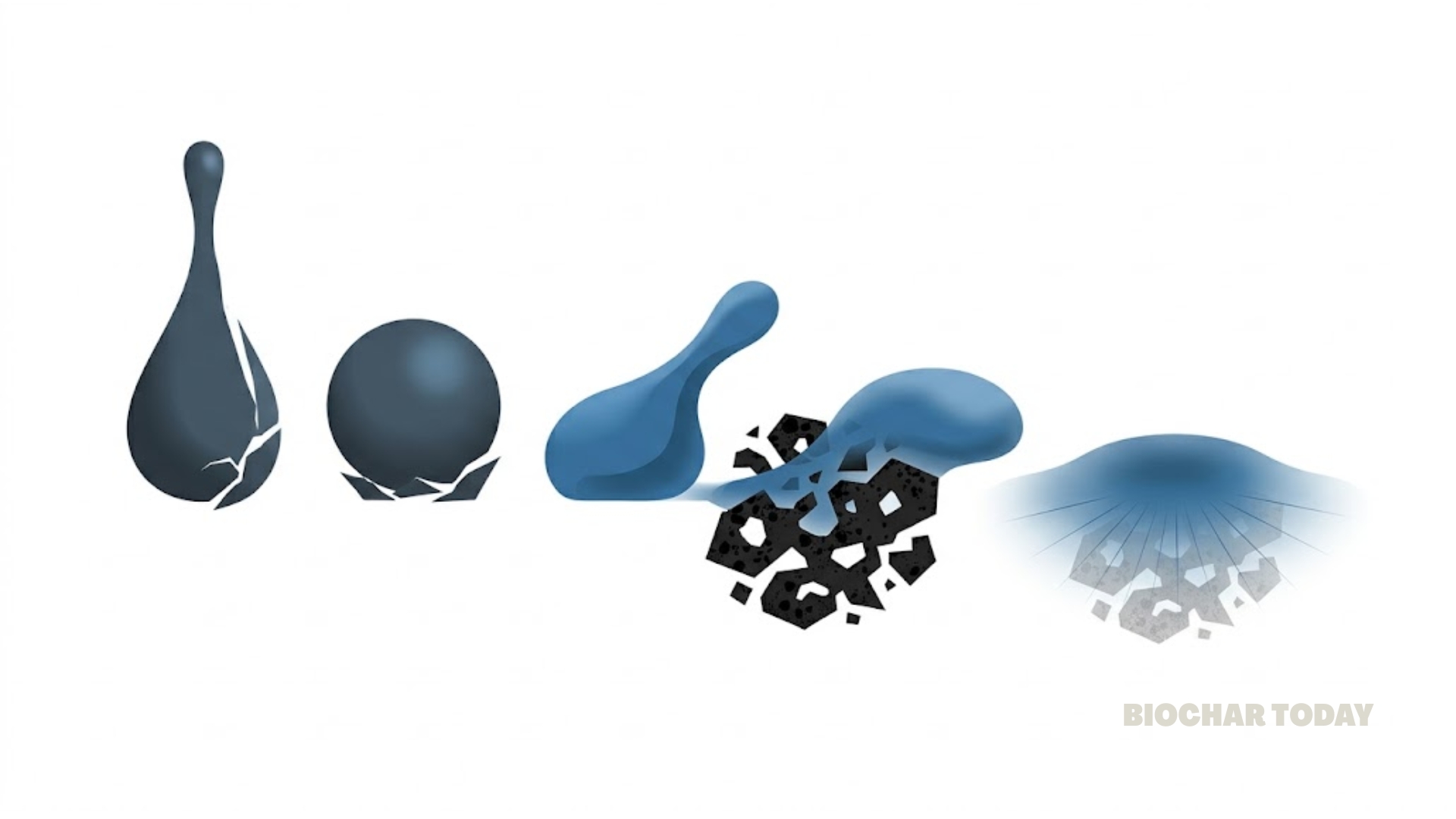
The Priming Effect (PE) is defined as the synergistic change in the mineralization rate of native soil organic carbon (SOC) following the addition of fresh, labile organic substrates. These fresh inputs can include sources like root exudates, plant litter, or organic amendments. The PE describes how soil microbes react to a new food source by influencing the decomposition of the existing carbon pool (SOC).There are two main outcomes of the Priming Effect:
- Positive PE. Occurs when the introduction of a fresh substrate stimulates soil microbial activities, accelerating the decomposition and resultant loss of native SOC.
- Negative PE. Occurs when soil microbes prioritize the easily available fresh substrate over the native SOC (known as substrate switching), leading to the retardation or slowing down of native SOC decomposition.
The magnitude and direction of the PE depend on complex interactions between soil properties, environmental variables, and the characteristics of the added organic substrate or biochar.
How Does Biochar Affect the Priming Effect?
Biochar application alters soil’s physicochemical and microbial properties, thereby changing the dynamics and direction of the Priming Effect. Biochar’s primary role is to promote negative priming of native SOC. Biochar influences the PE through several major mechanisms:

1. Physical Protection and Soil Aggregation
Biochar’s porous structure and stability facilitate the physical protection of native SOC.
- Biochar can increase soil occlusion or aggregation.
- The large surface area of biochar increases inter-particular cohesion, which is the primary step in forming and stabilizing soil aggregates.
- This increase in soil aggregation physically protects native SOC from microbial degradation, leading to negative priming.
2. Sorption and C-Stabilization
Biochar’s surface properties allow it to interact with organic carbon components.
- Sorption of SOC. Biochar can sorb labile native SOC onto its porous matrix, making it less accessible to microbes and contributing to negative priming.
- Stabilization of New C. Biochar has an additional C sequestering ability by preserving fresh labile organic substrates and their microbial derivatives from decomposition.
3. Enhancement of Microbial Carbon Use Efficiency (CUE)
Biochar affects the overall fate of carbon in the microbial community through its influence on CUE, which is the efficiency with which microbes convert available organic substrates into stable biosynthesized products.
- Biochar can enhance Microbial CUE, indicating that microbes are more efficiently utilizing carbon for growth (C allocated to biosynthesis) rather than for respiration (C lost as CO2).
- High CUE favors the accumulation of stable microbial by-products or microbial residues (necromass).
- Biochar specifically enhances the formation and stabilization of microbial necromass (a stable C form) derived from the fresh labile substrate.
- The dead microbial residues, which are sticky in nature, can accumulate and be protected inside the biochar’s porous matrix, contributing to long-term C sequestration.
Biochar contributes to C sequestration not just by being a stable C source itself, but by actively promoting a negative priming environment for native SOC and by serving as a protected habitat for the stable microbial products of fresh carbon inputs.


Leave a Reply