
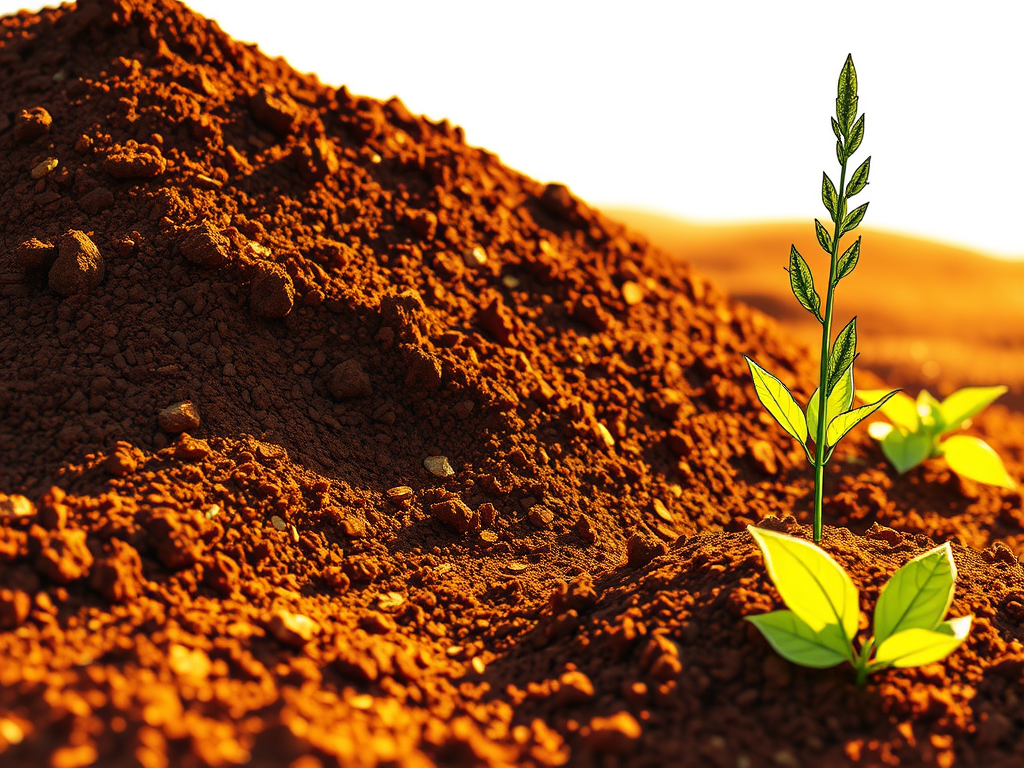
Soil pollution, driven by urbanization and economic expansion, introduces hazardous heavy metals, salts, and organic compounds into our agricultural and natural systems, often exceeding the soil’s natural self-purification capacity. Heavy metals, in particular, are insidious pollutants due to their high toxicity, wide distribution, and, critically, their resistance to degradation, leading to enrichment in the food chain and causing substantial damage to both human health and agricultural economies. Traditional remediation techniques—be they physical, chemical, or biological—often face limitations such as the risk of secondary pollution, high cost, or long treatment times that can disrupt soil structure and fertility. At this juncture, biocharBiochar is a carbon-rich material created from biomass decomposition in low-oxygen conditions. It has important applications in environmental remediation, soil improvement, agriculture, carbon sequestration, energy storage, and sustainable materials, promoting efficiency and reducing waste in various contexts while addressing climate change challenges. More can be considered as a potential tool capable to revolutionizing soil treatment, offering a truly sustainable alternative.
The Birth and Evolution of Biochar Production
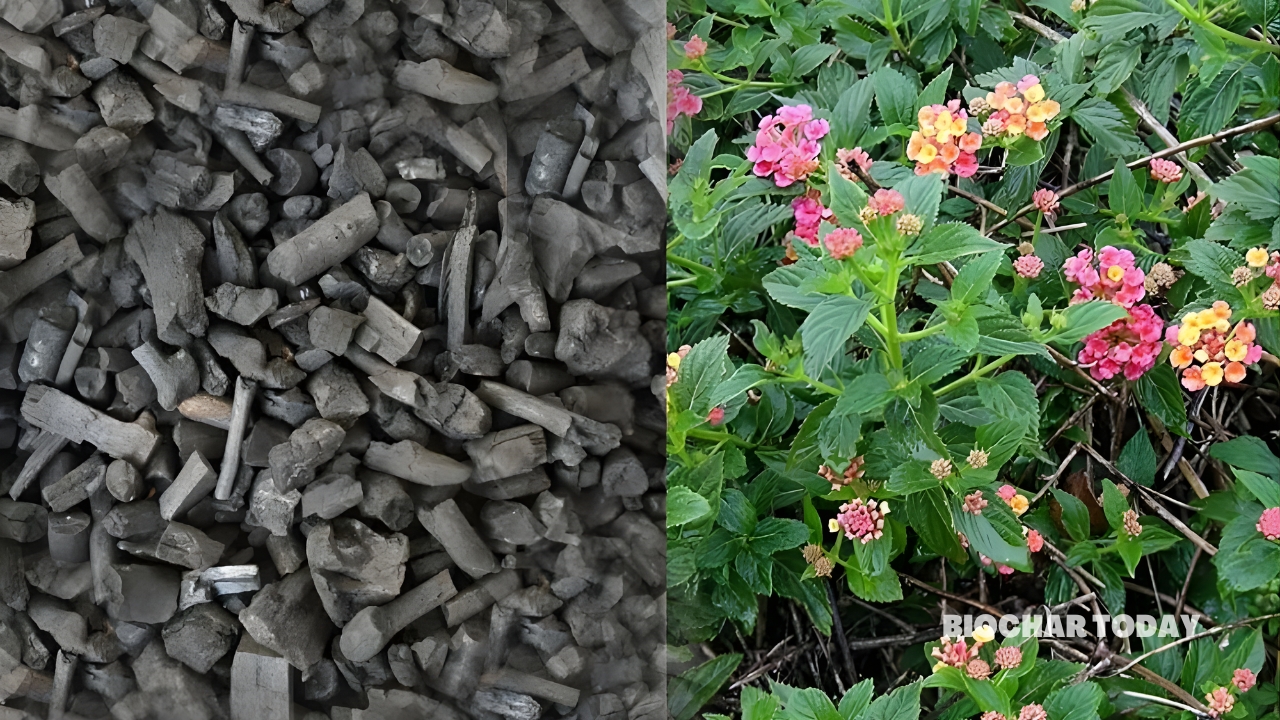
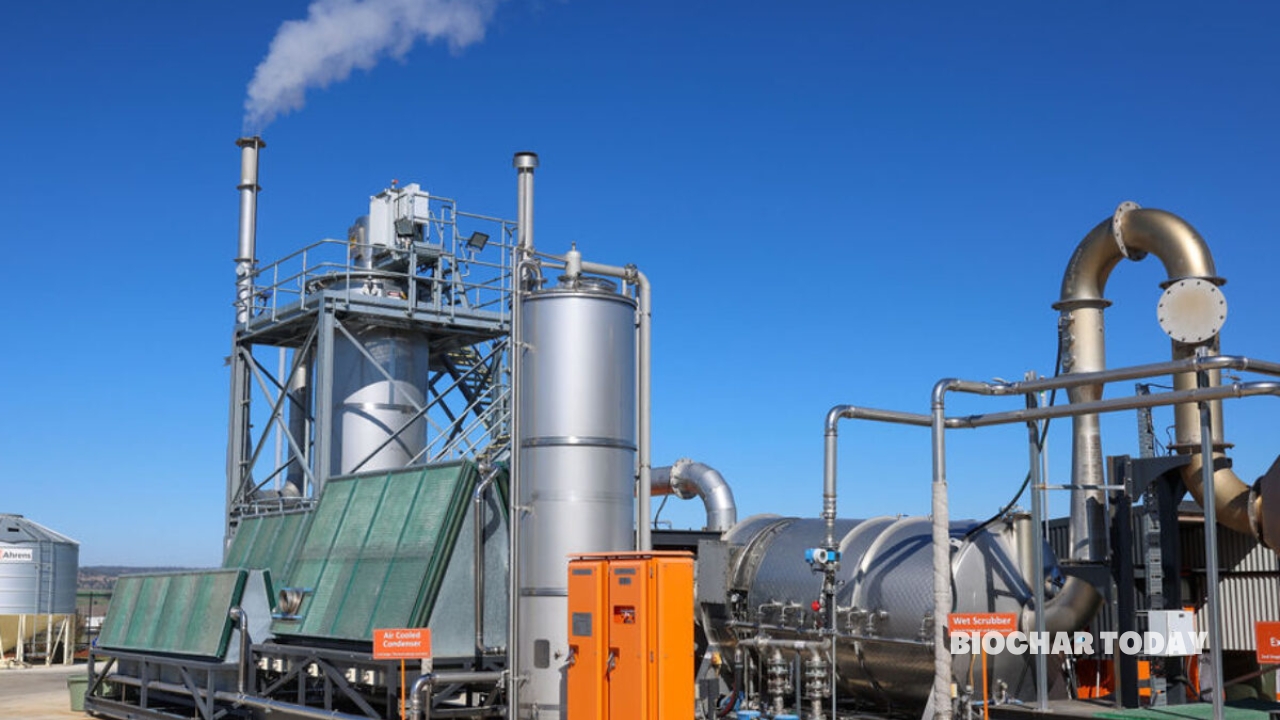
As we all know, biochar, a refractory polymer with high stability and aromatics, is produced by the thermochemical decomposition of biomassBiomass is a complex biological organic or non-organic solid product derived from living or recently living organism and available naturally. Various types of wastes such as animal manure, waste paper, sludge and many industrial wastes are also treated as biomass because like natural biomass these More under anaerobic or anoxic conditions, a process known as pyrolysisPyrolysis is a thermochemical process that converts waste biomass into bio-char, bio-oil, and pyro-gas. It offers significant advantages in waste valorization, turning low-value materials into economically valuable resources. Its versatility allows for tailored products based on operational conditions, presenting itself as a cost-effective and efficient More. The raw materials, or feedstocks, are diverse, ranging from wood and agricultural residues like straw and fruit shells, to animal manure, bones, and even industrial organic waste like sludge.
The research journey of biochar has seen the refinement of its production methods to maximize its efficacy. Initially, gasificationGasification is a high-temperature, thermochemical process that converts carbon-based materials into a gaseous fuel called syngas and solid by-products. It takes place in an oxygen-deficient environment at temperatures typically above 750°C. Unlike combustion, which fully burns material to produce heat and carbon dioxide (CO2), gasification More was used, but it was quickly superseded due to low biochar yields and the environmental risk of carbon monoxide escape. Pyrolysis, a more mature technique, then became the most widely used method, operating at high temperatures (300−1000∘C) to produce biochar, bio-oil, and gas. The pyrolysis temperature is a key determinant, influencing the final yield, pore structure, and the nature of surface functional groups; excessive temperatures can sometimes reduce yield and weaken adsorption capacity. A more recent and highly promising development is hydrothermal carbonization, a low-temperature alternative performed in water at 130−250∘C. This method is advantageous for high-water-content feedstocks, offering low energy consumption, reduced secondary pollution, and strong product stability, making it a current research hotspot.
Engineering Biochar for Superior Performance
While foundational preparation methods create the core material, activation and modification techniques are what truly transform simple biochar into a highly effective tool for targeted pollution remediation. These methods are essential for improving the biochar’s pore structure, increasing its specific surface area, and enhancing its surface functional groups to maximize catalytic and stable properties.
Advanced Activation and Modification
The toolkit for creating engineered biochar is extensive and includes physical and chemical treatments:
- Acid/Alkali Activation: These treatments increase the specific surface area and enhance adsorption properties. Acid activation introduces acid binding sites and is effective for some pollutants like hexavalent chromium, while alkali activation boosts the number of oxygen-containing groups (hydroxyl, carboxyl) and creates a positive charge, aiding in the adsorption of negatively charged substances.
- Metal Modification/Impregnation: This is one of the most effective ways to treat heavy metal pollution. Loading biochar with metal ions, metal oxides, or metal salts (such as magnesium-aluminum hydrotalcite or nickel and zinc) changes its surface structure, increases surface area, and imparts new functionalities like strong electrostatic attraction, ion exchange, and precipitation capacity.
- Microbial Modification: This novel approach utilizes microorganisms cultivated within the biochar pores, which are provided with ideal conditions to thrive. Microbial-modified biochar can enrich beneficial soil microbial communities, promote colonization and growth, enhance ecological function, and increase the biochar’s specific surface area and adsorption capacity.
- Hydrothermal Modification: By subjecting biochar to high-temperature and high-pressure water (120−200∘C), this method dredges the pore size and adjusts the pore structure, yielding a product with a high specific surface area and large porosityPorosity of biochar is a key factor in its effectiveness as a soil amendment and its ability to retain water and nutrients. Biochar’s porosity is influenced by feedstock type and pyrolysis temperature, and it plays a crucial role in microbial activity and overall soil health. Biochar More. It can increase acidic functional groups, and modified biochar has been shown to reduce chromium toxicity in soil.
These modifications, while highly effective, are not without their trade-offs, often involving higher costs, complex operations, or the risk of secondary pollution from the modification agents themselves.

Biochar’s Role in Soil Pollution Remediation
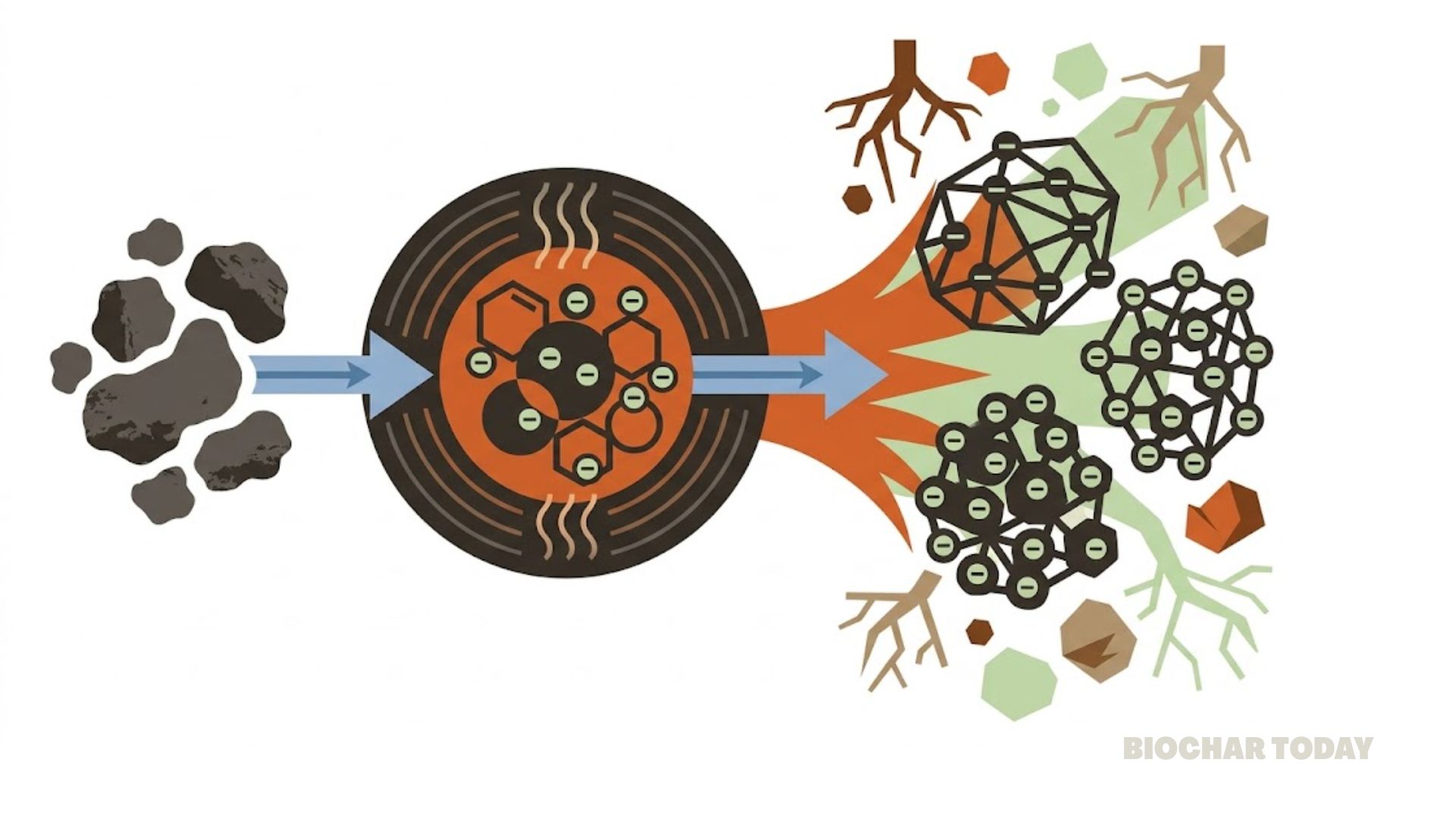
When introduced to contaminated soil, biochar initiates a multifaceted remediation process. For heavy metal removal, biochar reduces the acid-extractable fraction of these metals, stabilizing them and decreasing their bioavailability. The mechanisms are diverse: the biochar’s surface negative charge drives electrostatic adsorption of heavy metal cations; its massive surface area and functional groups facilitate general adsorption; and in many cases, metal ions form stable precipitates with ashAsh is the non-combustible inorganic residue that remains after organic matter, like wood or biomass, is completely burned. It consists mainly of minerals and is different from biochar, which is produced through incomplete combustion. Ash Ash is the residue that remains after the complete More components in the biochar. For example, wheat straw biochar effectively fixes cadmium in paddy fields, reducing its content in rice plants, while iron-manganese modified sepiolite combined with biochar can simultaneously passivate cadmium and arsenic. For organic pesticide removal, biochar and its modified forms exploit multiple mechanisms, including physical adsorption, electrostatic interaction, π-π interaction, and even reactive processes like Fenton oxidation and photocatalytic degradation. Iron-modified biochar, for instance, exhibits good adsorption for pollutants like benzene and chlorobenzene under neutral and acidic conditions. Furthermore, biochar addition promotes the growth and metabolic capacity of soil microorganisms, which indirectly enhances the degradation of organic pollutants like atrazine.
Soil Health Improvement and Agricultural Applications
Beyond pollutant removal, biochar fundamentally improves soil properties, which supports its utility in agriculture:
- Physicochemical Enhancement: Biochar’s inherent alkalinity (due to ash and alkaline cations) significantly increases soil pHpH is a measure of how acidic or alkaline a substance is. A pH of 7 is neutral, while lower pH values indicate acidity and higher values indicate alkalinity. Biochars are normally alkaline and can influence soil pH, often increasing it, which can be beneficial More, neutralizing acidity and improving base saturation. Its large surface area and oxygen-containing groups boost the Cation Exchange Capacity (CEC), reducing nutrient leachingLeaching is the process where nutrients are dissolved and carried away from the soil by water. This can lead to nutrient depletion and environmental pollution. Biochar can help reduce leaching by improving nutrient retention in the soil. More. Biochar increases soil organic matter and carbon content by transforming unstable organic carbon into a stable form, promoting long-term carbon storage. Furthermore, its porous structure reduces soil bulk density, enhances porosity and specific surface area, and improves air permeability and water retention.
- Microbial Ecosystem: Biochar’s structure provides physical shelter and space for microbial settlement, while its nutrient content (N, P, K, C) serves as a direct nutrient source for growth. This environment promotes increased enzyme activity involved in nutrient cycling (carbon, nitrogen, phosphorus) and positively alters the microbial community structure and biodiversity, which is vital for soil fertility and ecosystem health.
- Saline-Alkali Soil Reclamation: Biochar is a highly effective modifier for saline-alkali soils. Combined with amendments like organic fertilizer, lime, or gypsum, it improves nutrient levels, increases soil pH, and enhances soil structure, porosity, and water-holding capacity, all of which reduce salt accumulation and boost crop growth.
- Crop Productivity: Appropriately applied biochar promotes crop growth (increasing fresh weight, height, and root activity), enhances photosynthesis (increasing net photosynthetic rate and stomatal conductance), and improves crop quality (reducing nitrate and increasing soluble sugars/Vitamin C in some vegetables). Most importantly, numerous studies report a significant positive correlation between biochar application and crop yield.
The Path Forward: Unresolved Challenges
Despite its immense potential, the journey to full-scale biochar implementation has unresolved issues. A major obstacle is the lack of a unified production standard to accurately predict biochar’s role given varied raw materials and pyrolysis conditionsThe conditions under which pyrolysis takes place, such as temperature, heating rate, and residence time, can significantly affect the properties of the biochar produced. More. Furthermore, a majority of research is confined to laboratories, requiring extensive field trials to validate long-term effectiveness in real-world agricultural and contaminated environments. Ecological safety remains a priority; ecotoxicological mechanisms must be studied further to understand the long-term environmental impact, mitigating potential risks such as ammonia volatilization or the release of toxic substances from the biochar itself. Future efforts must also focus on optimizing energy consumption during production and modification, developing cost-effective and environmentally friendly chemical agents for modification, and establishing efficient post-usage treatment and recycling methods for spent biochar. By addressing these scientific and logistical challenges, biochar can fully realize its potential as a cornerstone of sustainable soil remediation and agricultural development.


Leave a Reply