Skip to content
LinkedIn
X
Facebook
Instagram
Reddit
Spotify
RSS Feed
Search
News
Blog
Industry Insights
Expert Profiles
Biochar Decoded
Ask Annie
Announcements
Podcast
Videos
Insights
Use Cases
Agriculture
Horticulture
Livestock
Landscaping
Building Materials
Concrete / Asphalt
Reforestation
Soil Remediation
Water Treatment
Carbon Sequestration
About
About Biochar Today
Partner Directory
Editorial Guidelines
Contact
Biochar X
Evaluating Biochar Soil Impact Beyond Standard Stability Metrics
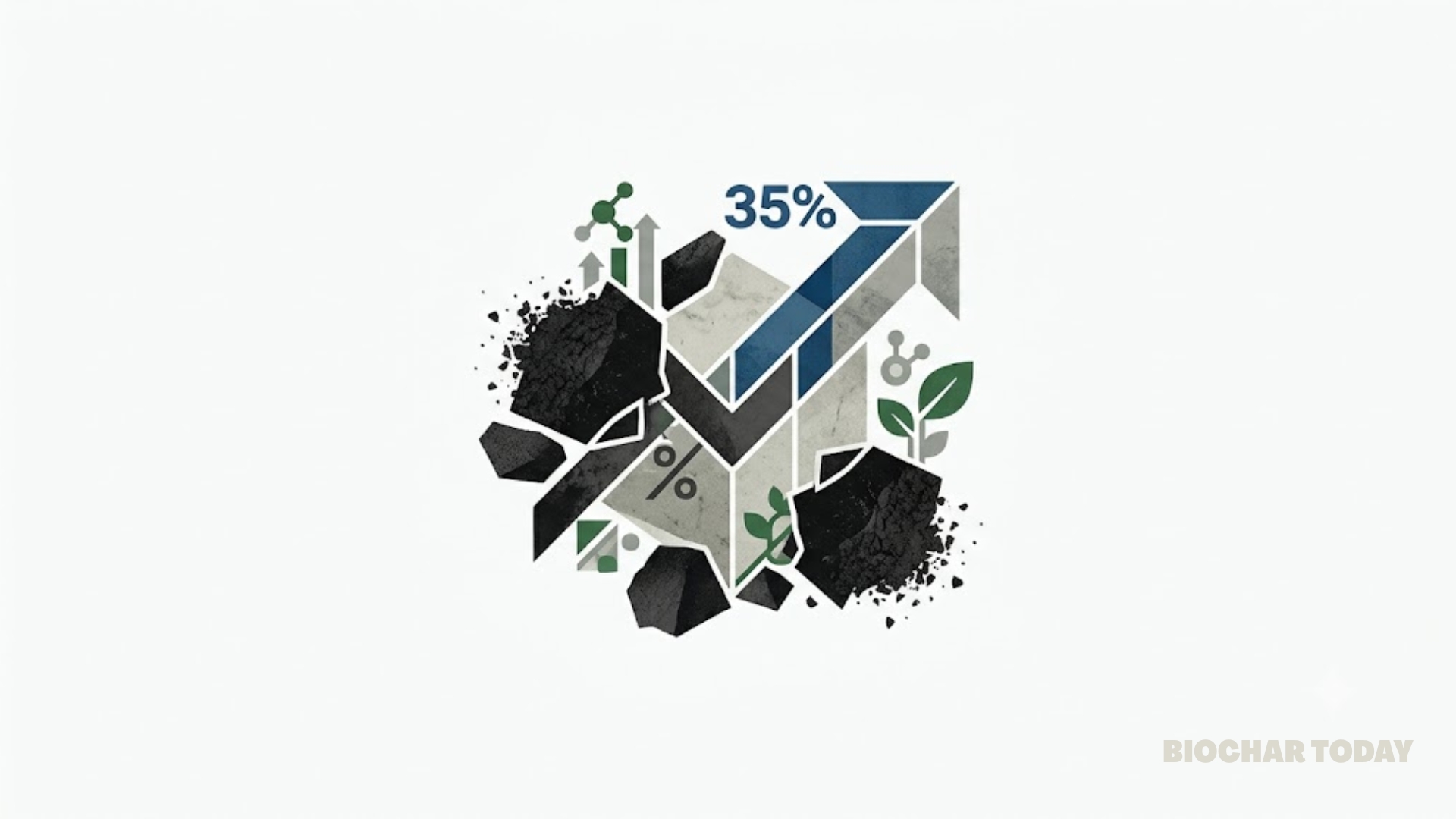
Finely Ground Biochar at Two Percent Dosage Enhances Compressive Strength of Natural Hydraulic Lime by Up to Thirty-Five Percent While Boosting Carbon Capture By Fifteen Percent
Nanobiochar Amendments Can Increase Crop Yields by Eighteen Percent and Reduce Heavy Metal Leaching in Contaminated Soils by Up to Ninety-Five Percent
Quantitative Synthesis Reaffirming Nano-Scale Structural Upgrades and Associated Agronomic and Environmental Performance Metrics for Resilient Farming
Dietary Inclusion of Mulberry Branch Biochar Reduces Aquaculture Ammonia by Sixty Percent and Nitrite by Ninety-One Percent
Sustainable Biochar Applications Ameliorate Continuous Cropping Yield Reductions and Root Disease Severities by up to Seventy Percent in Sensitive Solanaceous Vegetable Systems
High-Temperature Lignocellulosic Biochars Reduce Negative Priming Effects by Thirty Percent and Nutrient-Rich Variants Accelerate Carbon Turnover Up to Ninety Percent in Soil Environments
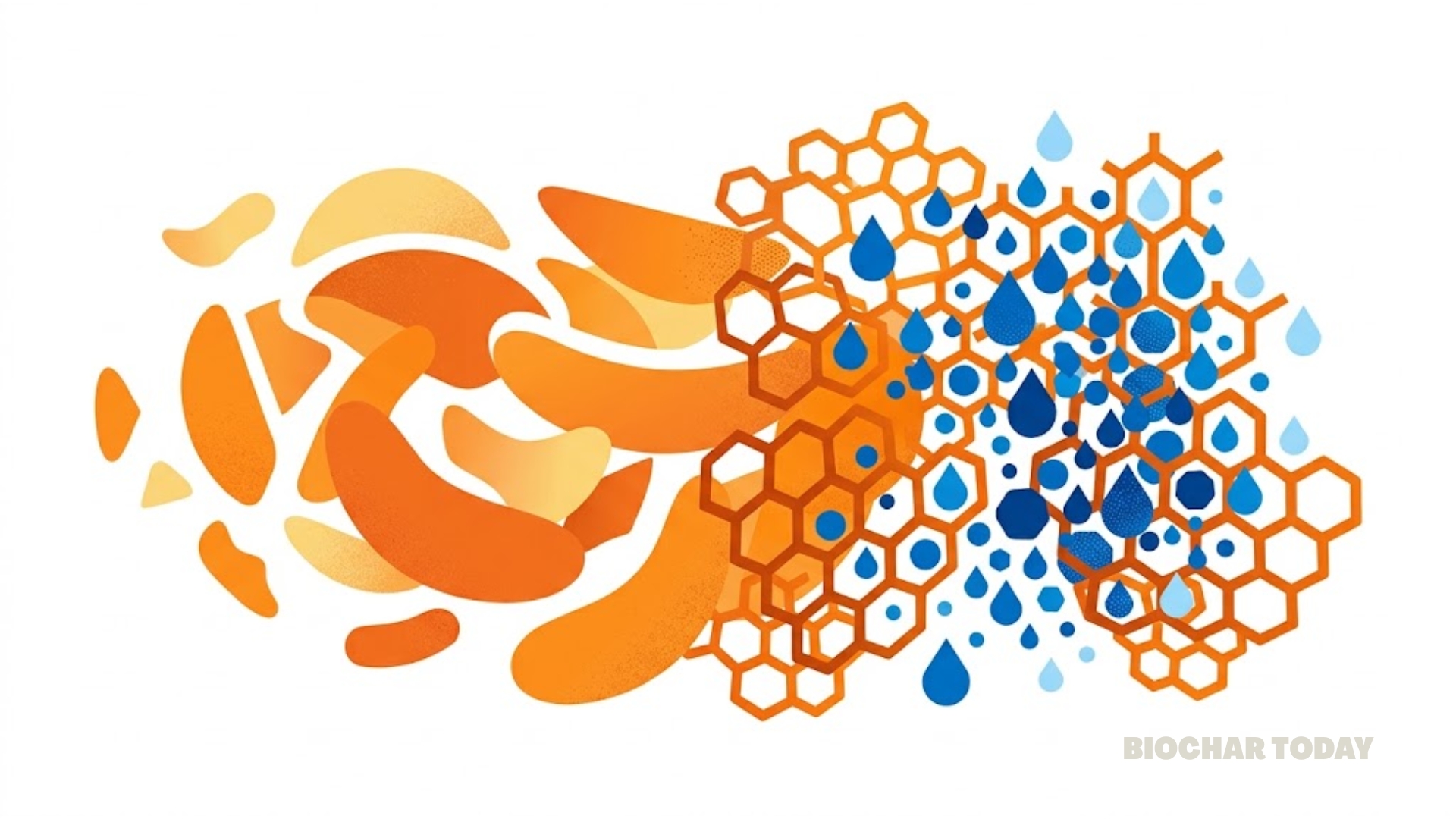
Shaanxi University of Science and Technology Engineers Orange Waste Biochar Achieving 237.53 Milligrams per Gram Methylene Blue Adsorption Capacity
Selective Hydrogen Bonding Increases Doxycycline Adsorption Rates on Biochar by Over Fifty Percent Compared to Other Tetracyclines
Selective Biochar Performance Boosted by Molecular Imprinting for Better Water Remediation
Previous Page
1
2
3
Next Page
Loading Comments...
Write a Comment...
Email (Required)
Name (Required)
Website